Category Archives: Learning

The project of the gliders and flying effect

Screen Shot 2016-06-29 at 13.37.56

Jaana’s and Yiwen’s project was about the gliders and flying effect. The theme came out from the Finnish Curriculum and Yiwen’s will to have a project about gliders. For Jaana this theme was a great option, because Jaana’s and Petri’s students were on the 5th Grade and they studied physical information about the planes and flying effect during the spring 2016, so this project was easily integrated to their physics lessons.

From teachers’ point of view the main point of this project was collaboration between Finnish and Chinese teachers. That was the first time for both of us, so that’s why it was at first quite exciting. We tried to get to know each other via WeChat and in Beijing we started to work together and at the same time we got to know each other better. On the first day we went through our project plan and made decisions how to make gliders. Yiwen also showed Jaana, what kind of glider she had built with her students by using ready cut pieces. Jaana also showed Yiwen, how to fold a simple paper glider. As a common decision we decided to give students an opportunity to choose, how they would make the glider: by using ready cut pieces or folding the glider.

From students’ point of view the main point was to learn group working skills, learn information about the structure of the plane, to learn information about forces which affect to the plane during the flight and also to learn to make a glider by using different kind of materials and also to learn the techniques how to throw the glider.

Screen Shot 2016-06-28 at 15.21.44

Our project plan contained 8 lessons. Lessons from 1-5 contained introduction, studying information about the gliders and flying effect, making mind maps in groups of 3-4 and presenting mind maps. We started this part in Beijing by teaching students the specific words in English and in Chinese, because words were quite new for students. To find correct words in English students used Chinese-English dictionary on iPads. Then they came one by one to the front of the classroom to clue words into the picture of the plane. At the same time we also discussed what is the meaning of each part and students found answers from Internet or just thought what could be the answer and then told their idea to the others. The most important question was, why the planes need all those parts and how those parts affect to the plane and flying effect.

This slideshow requires JavaScript.

After the common start students made mind maps in groups. They got three questions to find out: how do you think each part of the plane affects its flying effect, which forces act on the plane during the take off, gliding and landing and why the plane can fly. To find information students used Baidu on iPads. One student also gave others a tip to find information from the site en.wikipedia.org. That was something new for others, because this time they found information mainly in English, although some of them also found information in Chinese and used Baidu translator to translate it into English or to translate information from English into Chinese. As a teacher I think it was a correct way to find and understand found information, because there were so much specific words that they didn’t know in English or in some cases not even in Chinese.

Students used 3 lessons to make their mind maps. After that they presented their mind maps to others. For them it was exciting that all students had to go to front of the class, not only one. During the presentation they also taught each others by drawing pictures and writing down the most important words f. ex. about the forces that affect to the plane. One group also showed animations from wikipedia about the aileron and elevator.

Screen Shot 2016-06-29 at 12.09.16

In our project plan lessons 6-7 were for making a glider. In Beijing we offered students a possibility to choose, how they would like to make their glider: by using ready cut pieces or by folding a paper glider. On our demo lesson we had a 60 minutes to implement this part, so after a short introduction about our project and information rehearse with students, students started to work in pairs.

Many of our students chose to use ready cut pieces, but there were four eager boys, who would liked to know which one flies better, the folded glider or the glider made by the ready cut pieces. At the beginning of the lesson they thought that ready cut piece glider flies better, but after testing and adjusting their folded glider flow better, even through the open window. 😉

During the testing students also marked down how far their glider flies. Then they had to think about, how to improve their glider to fly further. For this they had a work sheet to draw the altitude and to mark down, how they adjusted their glider. This work sheet worked well and gave students more understanding what they are learning.

Screen Shot 2016-06-29 at 12.07.38

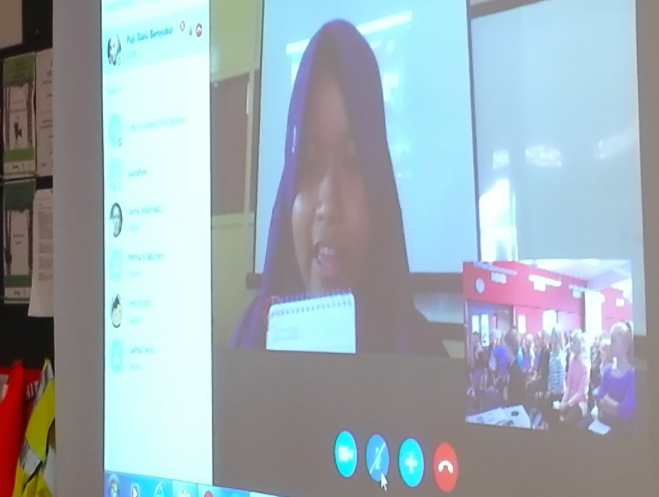
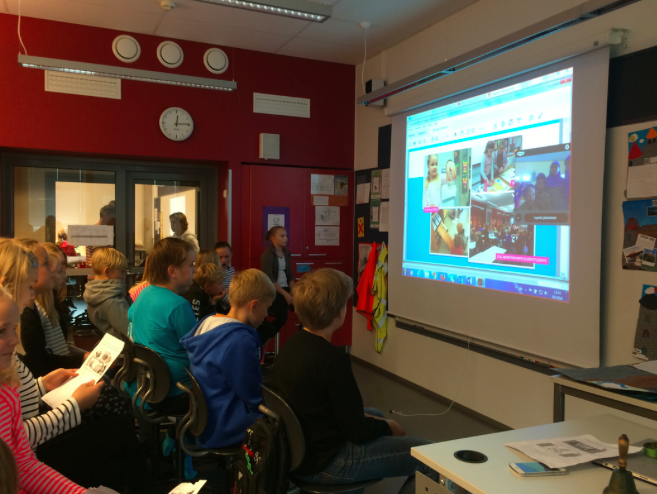
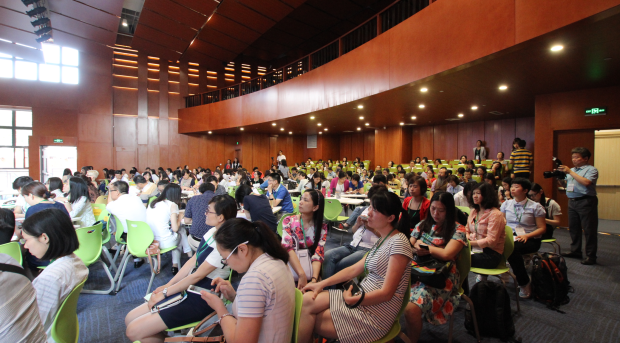
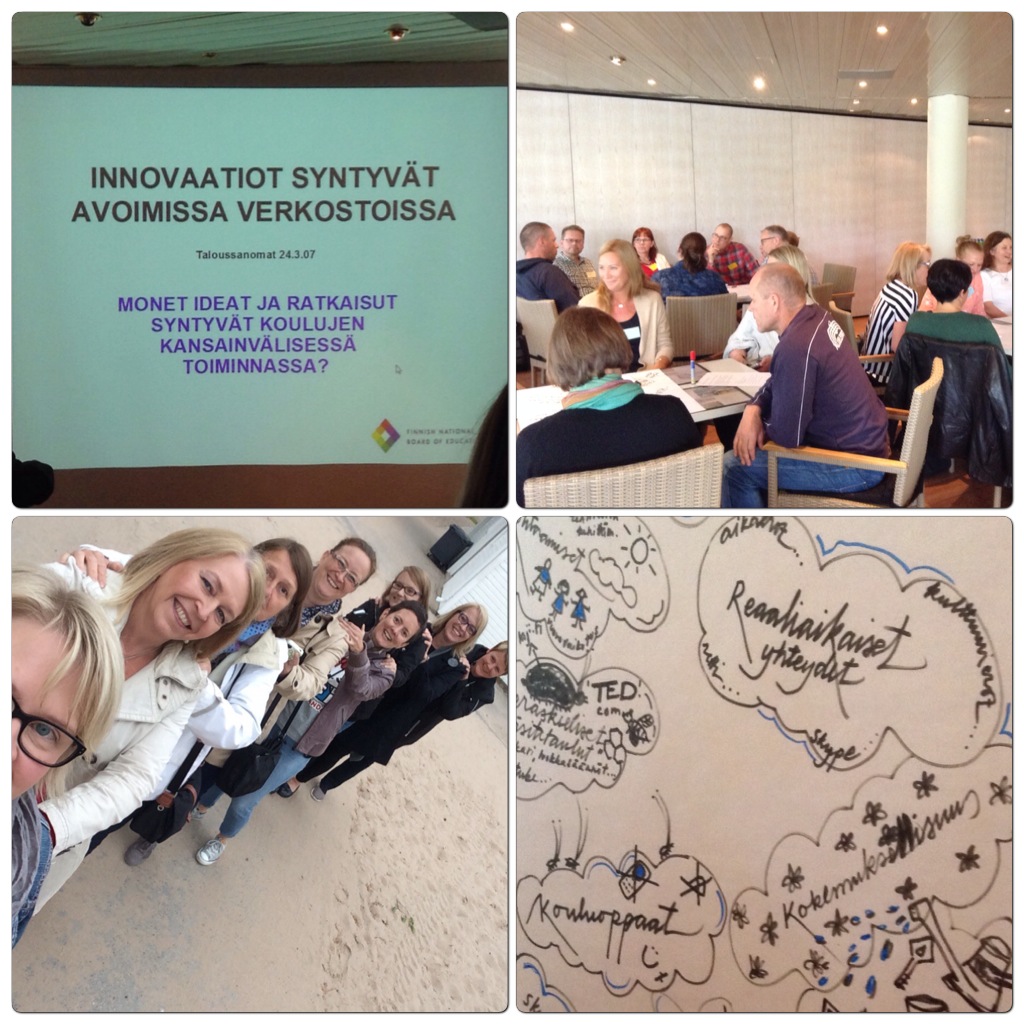
Demo lesson was filmed from each corner of the class room. At first all students were quite excited because of the cameras, but quite quickly everyone forgot all the cameras. The audience followed our lesson in the hall next to our classroom. After our lesson we teachers went to stage to tell more about our project and about evaluation. All slides we made in both languages and all questions and answers we got and gave also in both languages. That way all members in audience understood what we want to say. Tiina and audience also asked us about our project and collaboration. Jaana answered all in English and Yiwen translated it into Chinese.

In Shenzhen we had a same kind of project, but in there their own teacher had started the project by making mind maps with her students. On the first day we had 4 lessons with the students and during those lessons students got to know information about Finland, made posters about the differences and similarities between the Finnish and Chinese schools and after that we taught them information about the gliders and flying effect. This time Yiwen taught them more in Chinese than in Beijing, because the students in Shenzhen were younger and they didn’t know so much about the theme in English. After the common start students continued working with their mind maps. Many of them made their mind maps both in Chinese and English, because writing everything in English was quite hard for them, they were so young. After finishing the mind maps they presented them to others in English. One boy was a translator for some groups, because they were so shy to have their presentation in English. This kind of collaboration worked well and every group could have their presentation.

On the demo lesson in Shenzhen we had the same PowerPoint introduction than in Beijing in both languages and after that a short rehearse about the main parts of the plane in English. After that we taught students how to fold a simple paper plane. After that we told them about the schedule and they started to fold planes by using different kind of papers. They also had a work sheet such like in Beijing. During the testing students noticed that the paper can’t be too thin or too thick, so they had to test which paper could be the best option for folding.

Screen Shot 2016-06-29 at 14.10.37 Screen Shot 2016-06-29 at 14.11.58

For me as a Finnish teacher this experience was amazing and this opened my eyes to see the meaning of the global collaboration deeper! It was nice to collaborate with the Chinese teacher Yiwen, all students, all professors from Beijing and also I learned a lot of Chinese culture and school system. I think I also learned, how to plan and have project with teacher who I haven’t known long – collaboration doesn’t depend on how well you know your partner, but it depends on how much you want to work together and find the common understanding.

My deepest will is to have more collaboration with Yiwen next year. 🙂

Sightseeing in Beijing

IMG_2713

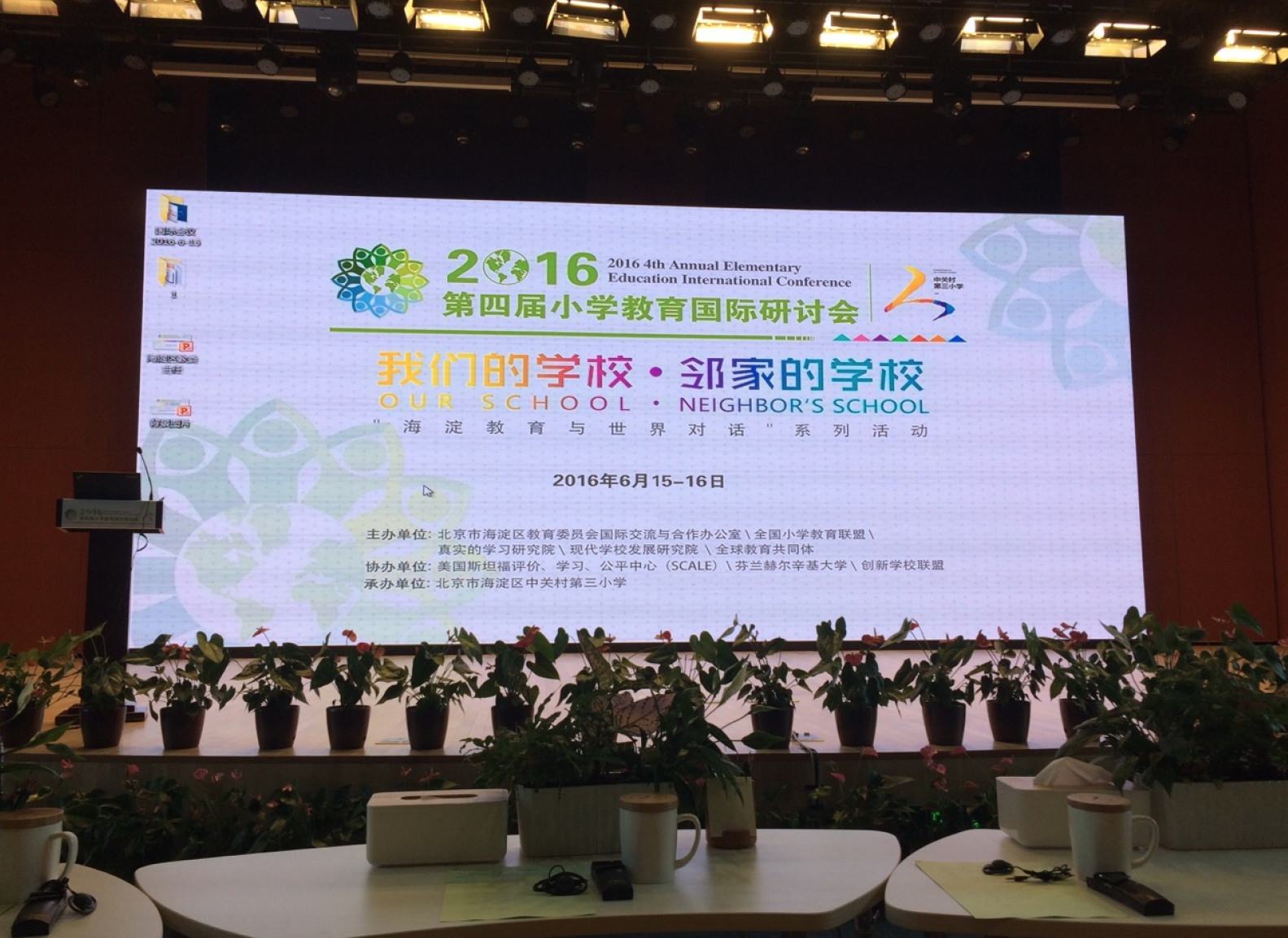
During the 4th GEC Conference in Beijing Minna, Tiina, Raini and Jaana had one day and one afternoon to go sightseeing. At first they visited the Forbidden City.  The temperature was around +30 Celsius Degrees and the sun was shining. As a great surprise for everyone the sky was bright and we could see the clouds, too.

This slideshow requires JavaScript.

The Forbidden City was amazing and huge! We loved all the old buildings, the beautiful decorations and paintings and also the history of the area was interesting. During the tour our guide translated the history information into English that helped us to understand the history of the area better.

This slideshow requires JavaScript.

On the another afternoon Minna and Jaana visited the Lama Temple. In the Lama Temple their guide told a lot of Buddhism and they saw many different Buddha Statues. The highest one was 18 metres high. Their guide also told that it was one of the highest Buddha Statues in Beijing.

This slideshow requires JavaScript.

After visiting the Lama Temple Minna and Jaana took a short, 15 minutes tour in Hutong area. Their guide told them that usually people who have small shops or restaurants nearby live in Hutong area. Their guide also recommend to taste the speciality called Honey milk. It was delicious, sweet and sour at the same time!

IMG_2553

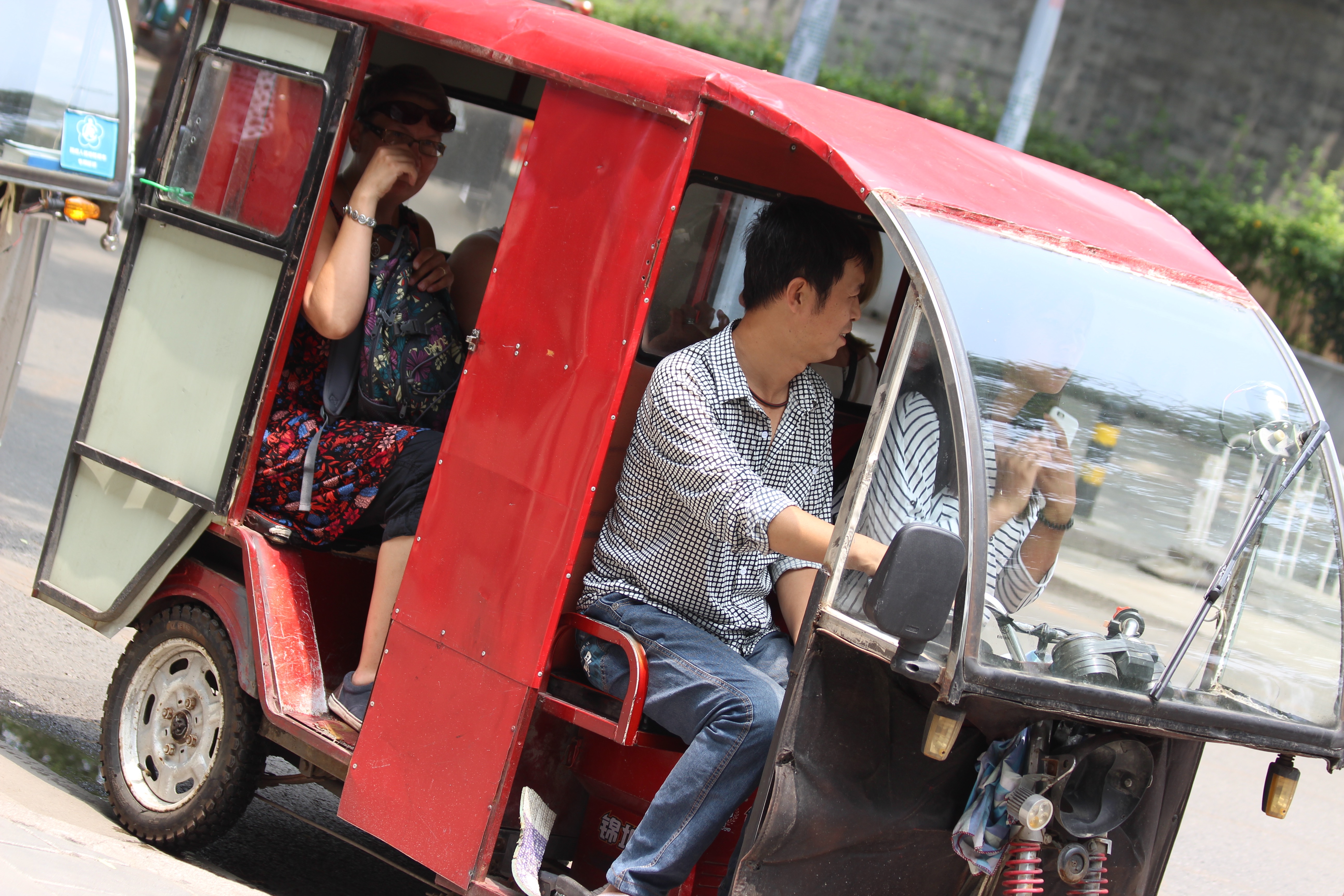
During these tours the volunteer students from Beijing Universities helped conference visitors and told us information about sights, Beijing, China, Chinese traditions and helped us also to find a taxi back to the hotel. Sometimes we also took a riksa taxi and yes, it was enough big for five people.

IMG_2721

Volunteers also recommended us the good restaurants and the traditional Chinese food. It was a great opportunity to taste different foods and get to know more about the food traditions.

Screen Shot 2016-06-03 at 21.52.31

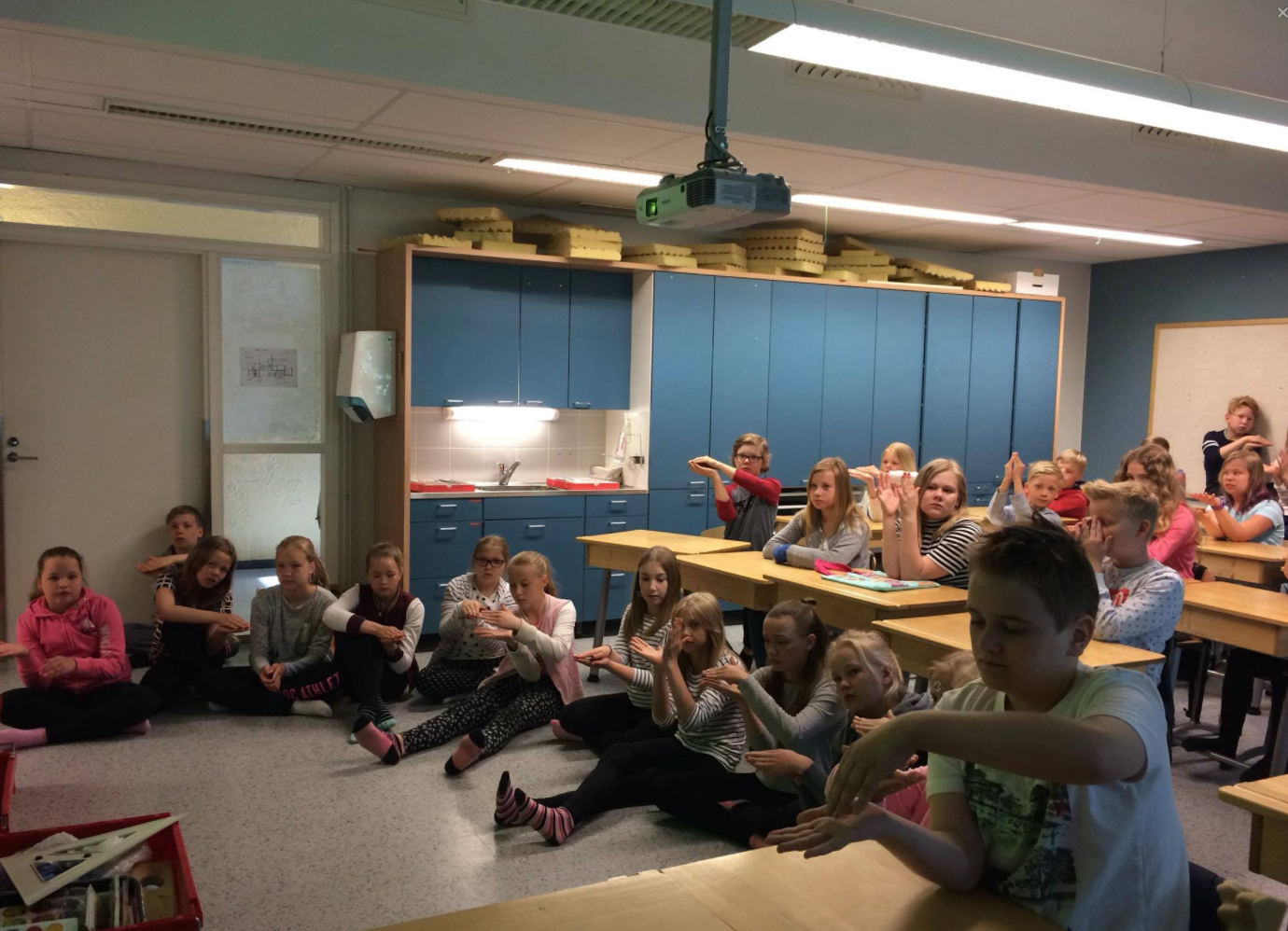
On the last school day 53 students from Metsokangas Comprehensive School worked with the project with the theme of planes and the flying effect. During the introduction we watched together a picture about the plane. Teachers asked students to think and answer which parts are the most important while the plane is in the air. They answered wings, elevator and rudder. Then we talked a little bit why the elevator and the rudder are important, how the plane can land, how does to shape of the plane affect to the flying effect, which forces affect to plane and also  we talked about the shape of the wings. All students made a wing by using their hands. Almost all students knew that the bottom of the wing is straighter and the top of the wing is curved. Then we rehearsed how the air moves above and below the wing and how it is related to the flying effect.

Screen Shot 2016-06-03 at 21.52.24

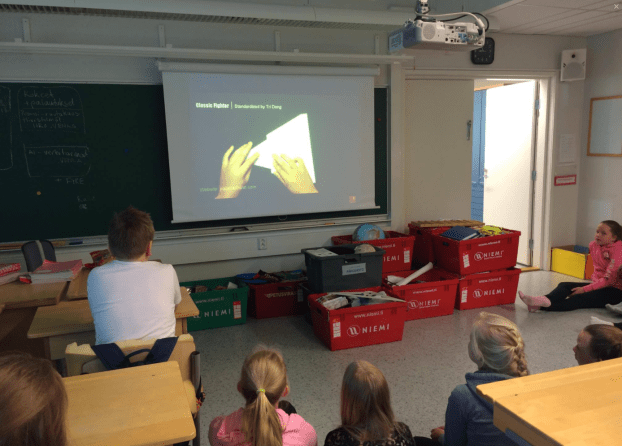
After the introduction teachers told students what they will do next. They had heard before that they will have a possibility to fold planes on the last school day, but before they started to fold their planes they watched one example video. After that teachers told them about the schedule and they started their action.

Screen Shot 2016-06-03 at 21.52.17

Screen Shot 2016-06-03 at 23.03.22

At first all students had to decide which material they would use. Almost all decided to use printer paper that was easy to fold and it was light enough.

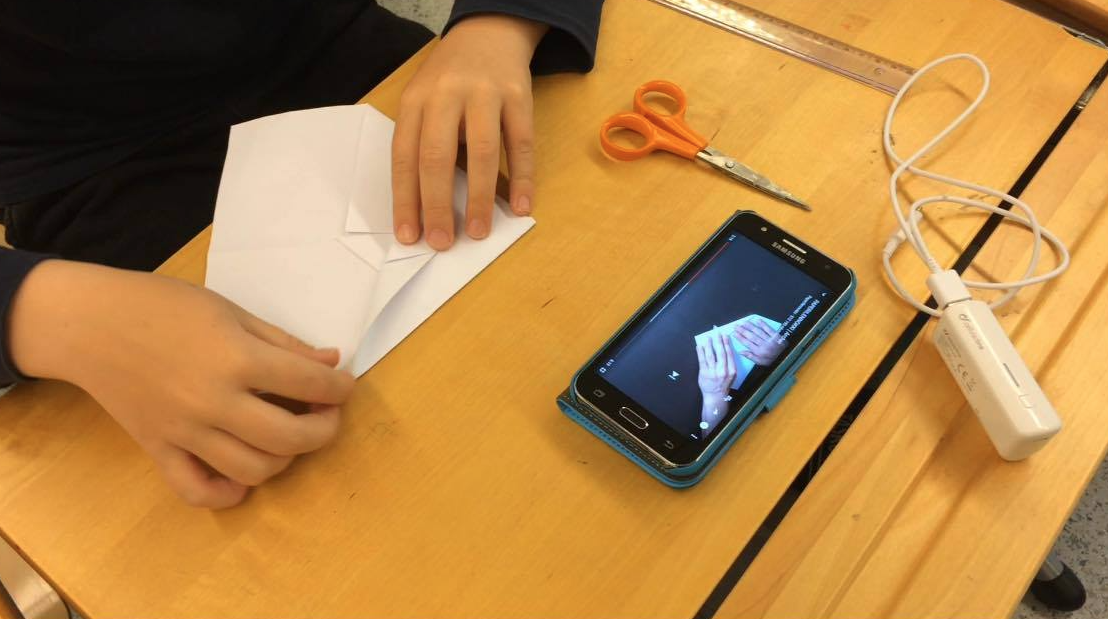
Students were allowed to use their own phones to find ideas how to fold planes. The most of them found instructions from Google or YouTube. After getting an idea what kind of plane they designed their own plane and folded it.

Screen Shot 2016-06-03 at 23.07.27

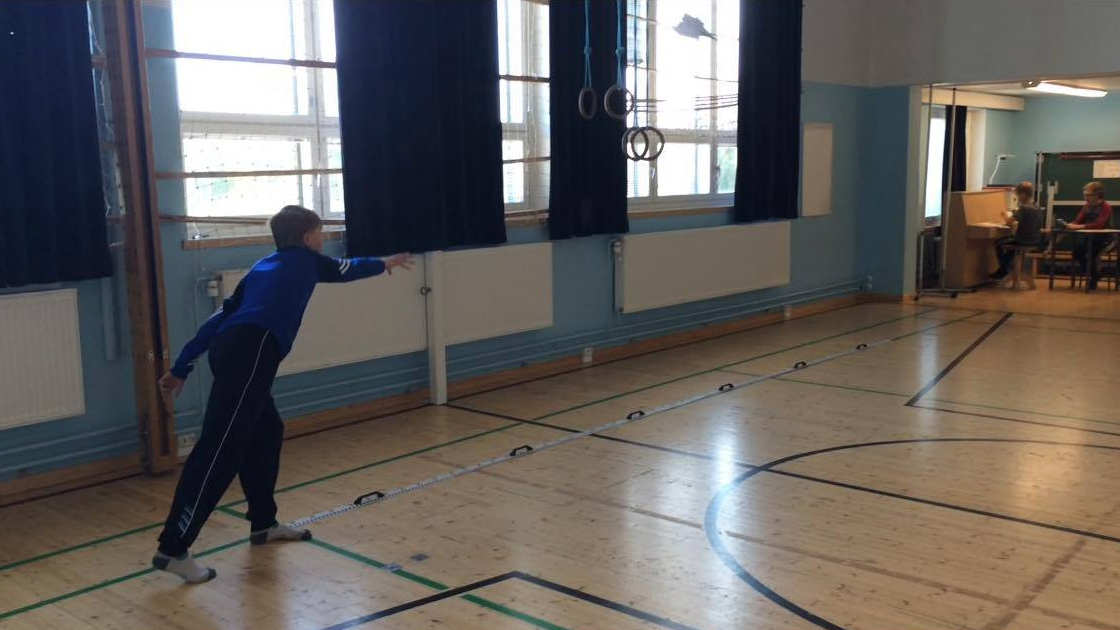
During folding the planes they were also allowed to test their planes in the PE class where the final competition was organised lately. After testing they knew how their plane glided and got ideas how to improve their planes. Many students folded several planes and tested them to get to know which one is the best.

Screen Shot 2016-06-07 at 18.07.25

Screen Shot 2016-06-07 at 18.06.56

Screen Shot 2016-06-07 at 18.06.39

Screen Shot 2016-06-07 at 18.06.28

Screen Shot 2016-06-07 at 18.05.58

Screen Shot 2016-06-07 at 18.05.20

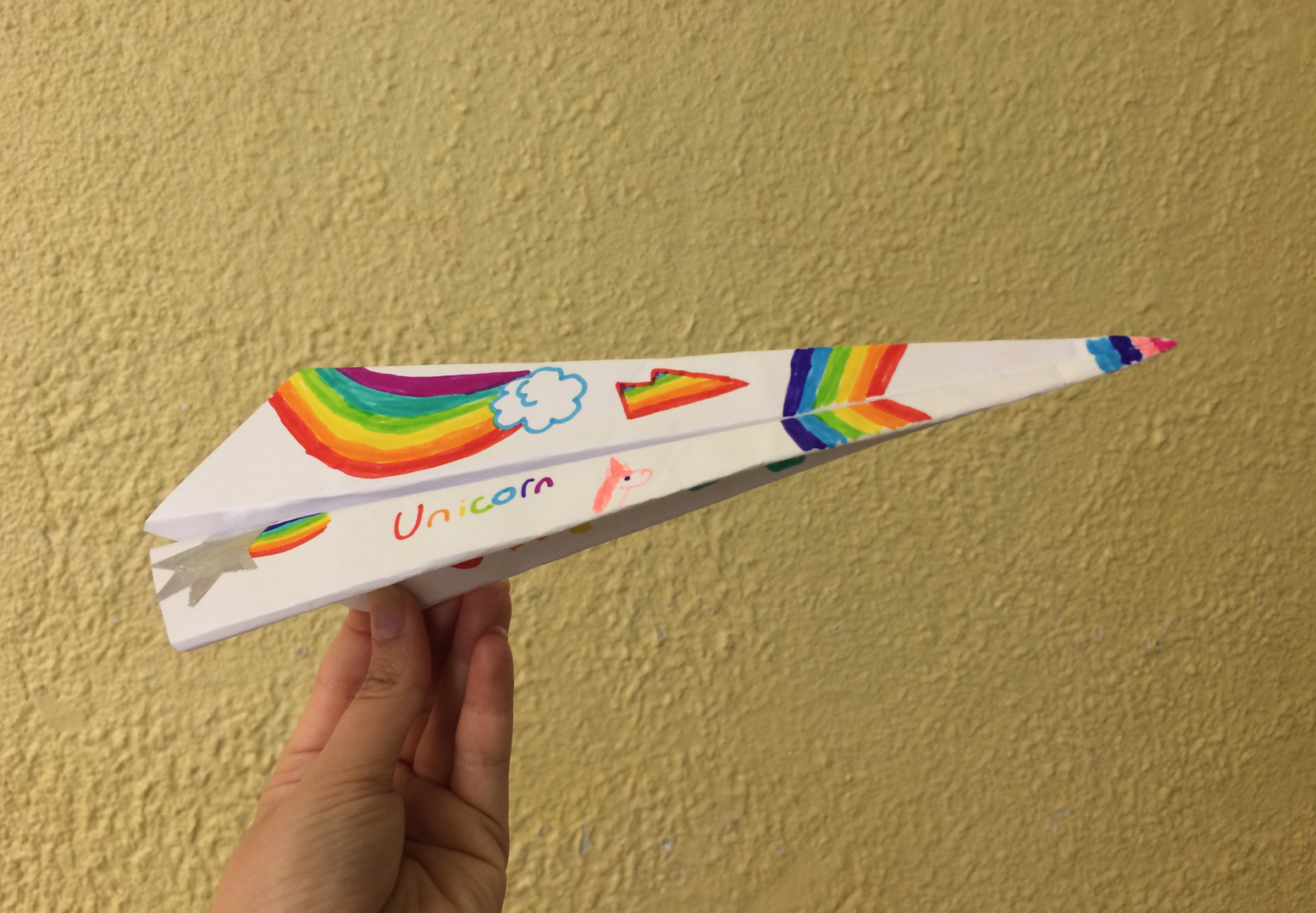
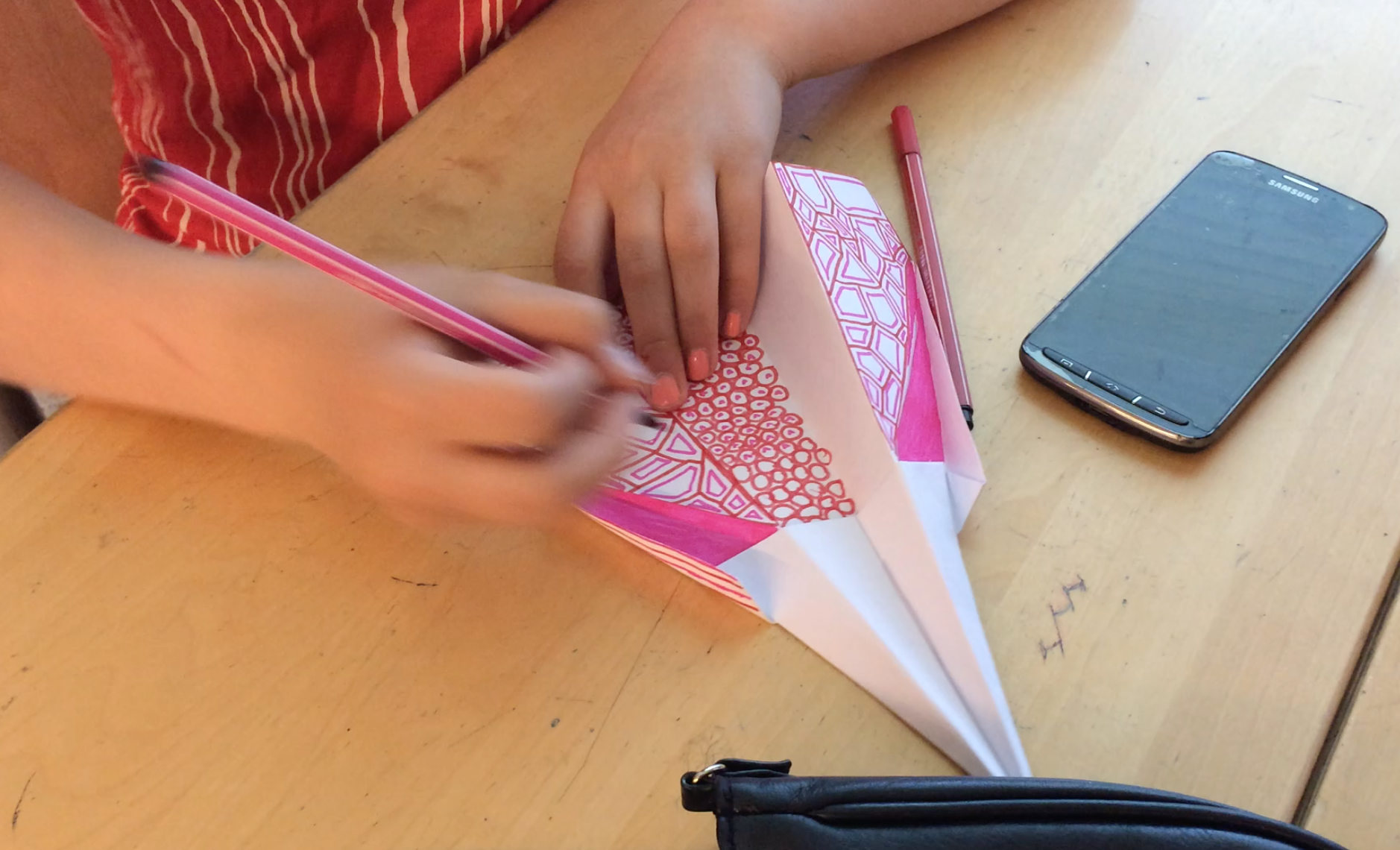
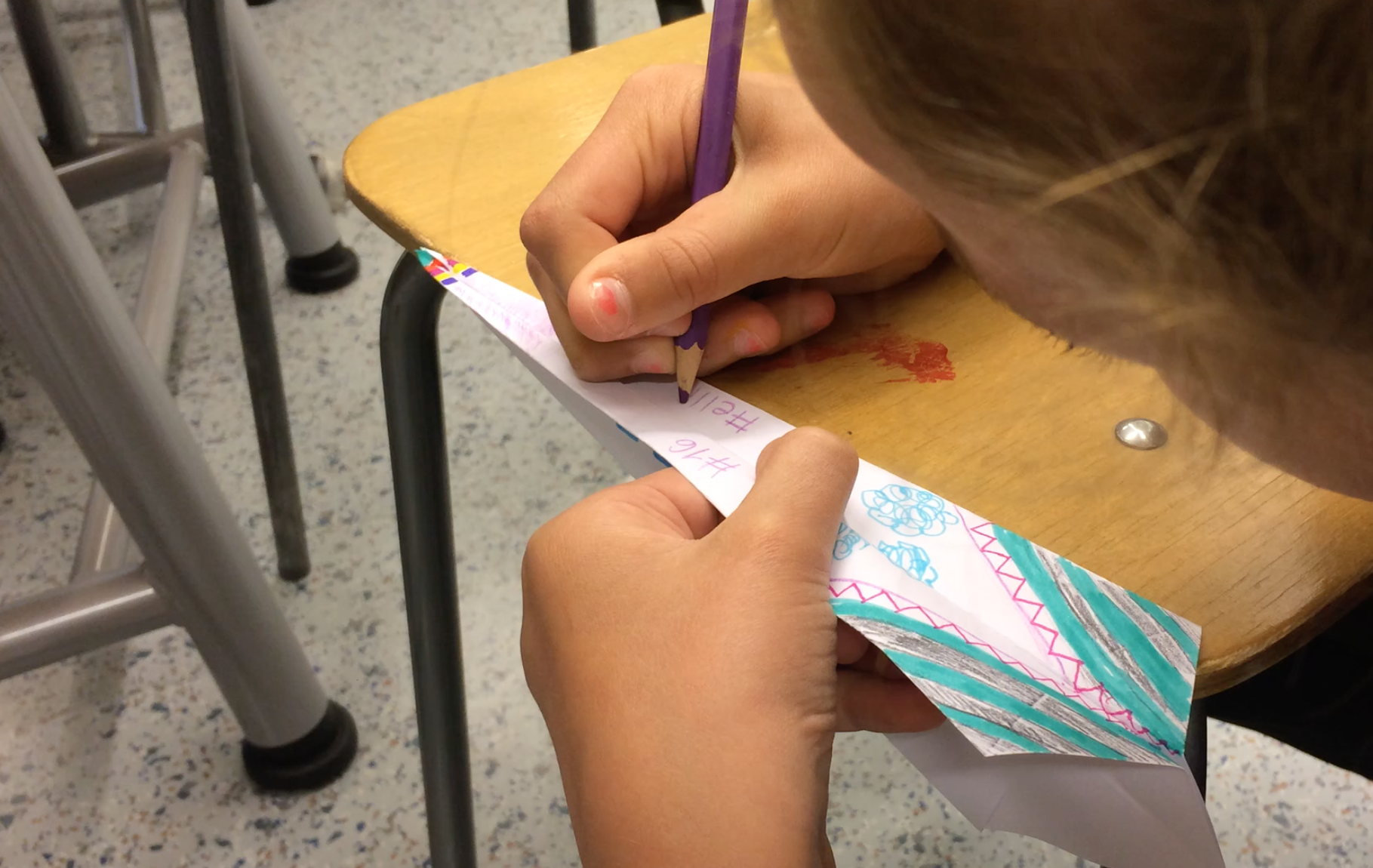
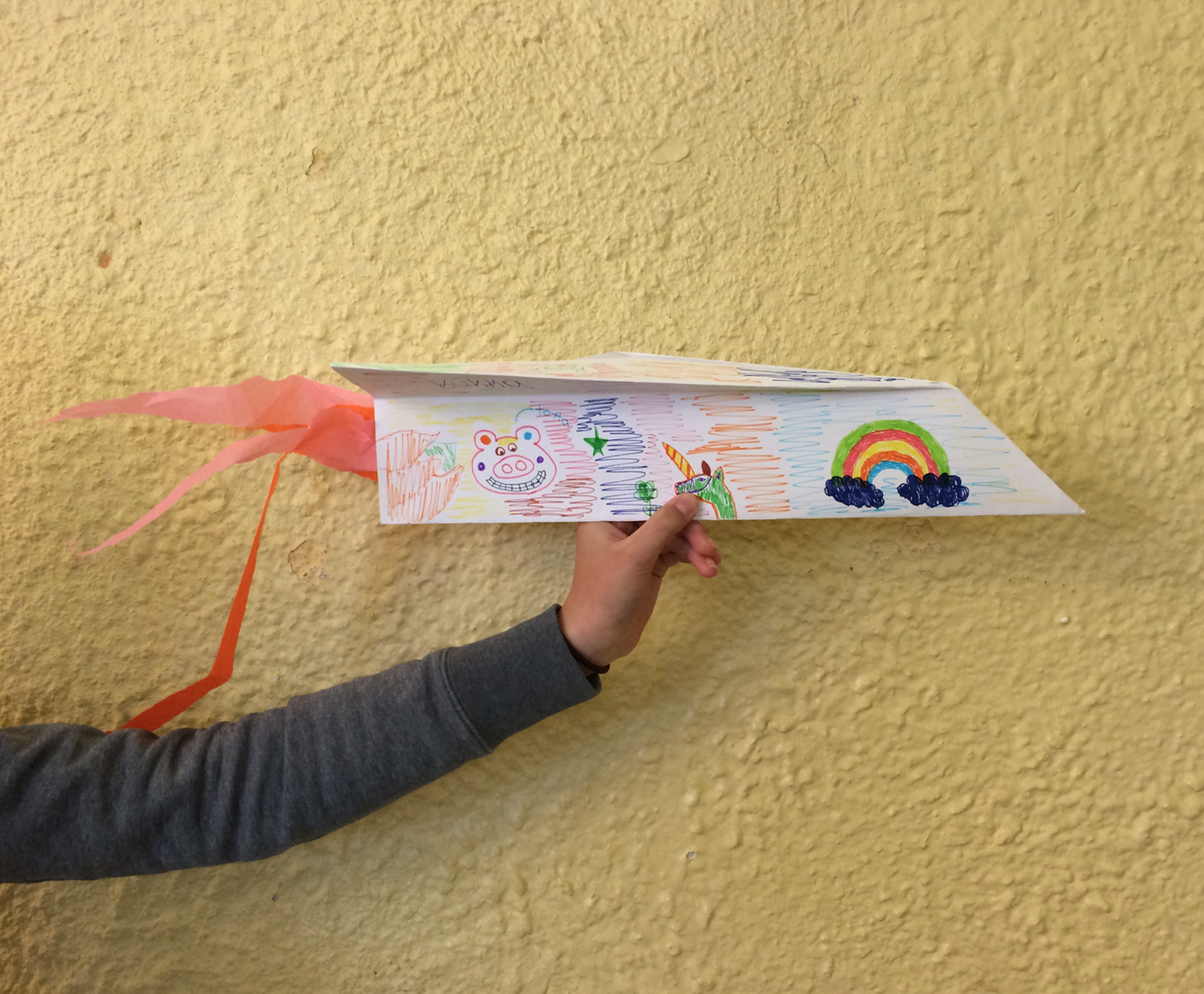
After one hour planes were finished and decorated. For us as teachers it was nice to notice that almost all students liked more to fold planes than to decorate them. They used a lot of time to make their foldings better and they tested their planes many times before the competition instead of colouring them.

The competition with only one throw per student took 20 minutes with 53 students. However, this project worked well and students learned many new theoretical things about planes and the flying effect.

Next Jaana will implement the same kind of project in Beijing with her chinese co-worker Yiwen.

– Jaana, Petri and 53 students, Metsokangas Comprehensive School, Oulu, Finland –

The Project of planes and flying

Screen Shot 2016-05-26 at 18.37.21

Students from Metsokangas Comprehensive School has been working with the theme of planes and flying during the past two weeks. At first all students got a few questions about the theme. Then they found knowledge by using their own devices. All founded knowledge they wrote down on the mind maps on Popplet. After that they shared their knowledge and we made together a common Popplet mind map and some students also wanted to add a few pictures and YouTube-videos into the map to give more information.

Our co-workers in Beijing has done the same last week. The next step in Finland is to fold planes and measure how far they fly. This will be organised this week before the summer break.

Jaana from Metsokangas Comprehensive School

From the traditional board game to the innovative board game

Screen shot 2014-05-25 at 10.16.27 AM

At Metsokangas Comprehensive School the classes of 3CD learned about innovations at first by watching the video and then by discussing together. During discussion they thought about what kind of innovations and new kind of toys they know: for example they mentioned different kind of robots, moving rabbits and talking teddy bears. After these examples many students noticed that they own the some kind of innovative toy. A few students also noticed that they had a board game or book which include DVD-exercises or a game on the CD disc. After discussing those topics students had to think who can make innovations. It was an easy question because students mentioned almost immediately americans, japanese people, chinese people, factory workers, inventors and last but not least everybody on the planet. After discussion we defined the term of innovation. For the best thing students noticed that innovations can solve some problem and generate positive cash flow to the innovators or their employer.

Screen shot 2014-05-25 at 10.36.33 AM

After defining the term of innovation the students had a possibility to think about innovated, technology based board games about Finnish landscapes. At first the teacher presented the blank board game that included only the map of Finland. All students together invented three different versions of the new kind of board game that includes for example QR-codes, DVD-exercises and Led-lights. They also had to think about what materials they need to make the game complete.

haaste2

suunnittelu_pojat

After the common start students were divided into groups of three and they started to plan their board game with the planning paper. During the planning they had to make three questions and answers about the seven Finnish landscape areas, design the background of the game board, make the rules, decide how someone can win the game and where are the starting and the finishing points, plan the routes and decide which technologies are included into the game. After filling in the planning paper students got an A3-sized paper to implement their game board.

qr1

q2

As a technology solutions the most of the groups used QR-codes. Into the codes they included the game instructions and questions or answers. They created QR-codes by using QR code Generator. That’s why they have to use mobile device to open the codes during playing.

kolvaus

Some groups also wanted to use Led-lights to mark for examples aiports, harbors or starting points. They soldered Led-lights and made the electric circuits by themselves.

pelaaminen

After the games were ready they played them and enjoyed their well-done work. As a QR code reader they had a possibility to use their own mobile phones.

BR,
Jaana, Petri and Päivi and students of Metsokangas school, Oulu, Finland