Category Archives: Maker education

On the road to innovation

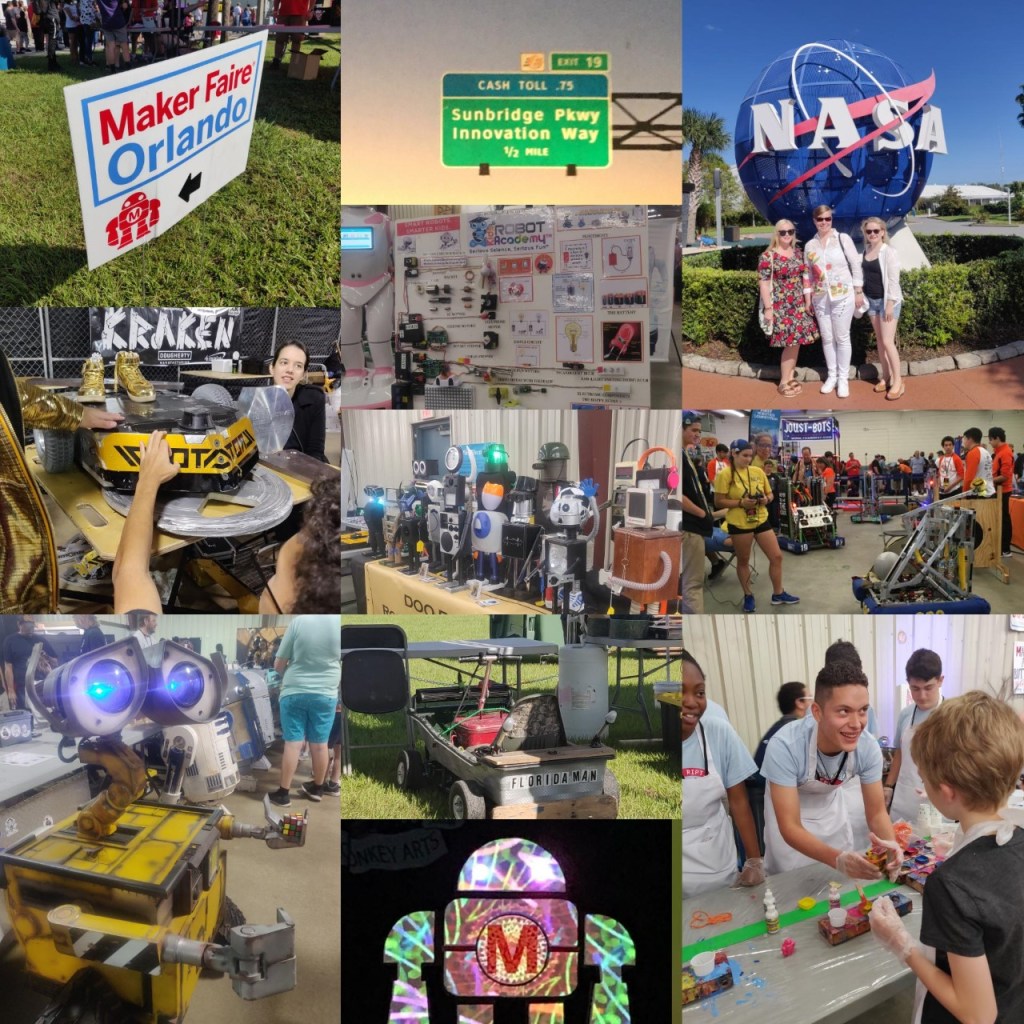
We had the opportunity to visit the Maker Faire event in Orlando, Florida in November 2019, to discover the latest in maker-activities. It was interesting to see how maker-activities were realized overseas! The event was characterized by a strong sense of community where families and people of all ages both participated and presented their own innovations and crafts. We had the possibility to meet with local organizers and networkers and discussed how this great event was organized with voluntary efforts and local flavors.

The range of activities was wide ranging from simple art and textile craft to Robot Ruckus fighting robots. Both traditional making and novel technologies were presented side by side with great pride and joy in making! Faire visitors were greeted by a drumming band and could easily spend the whole day discovering and doing together with family and friends. We got many great ideas to take home from the overall atmosphere and presentation, working together as a community to single maker-ideas!

Laura Salo, Asta Ansolahti & Tiina Korhonen

Innokas Network

Growing mind and understanding in FabLearn 2019 –conference at Columbia University, New York

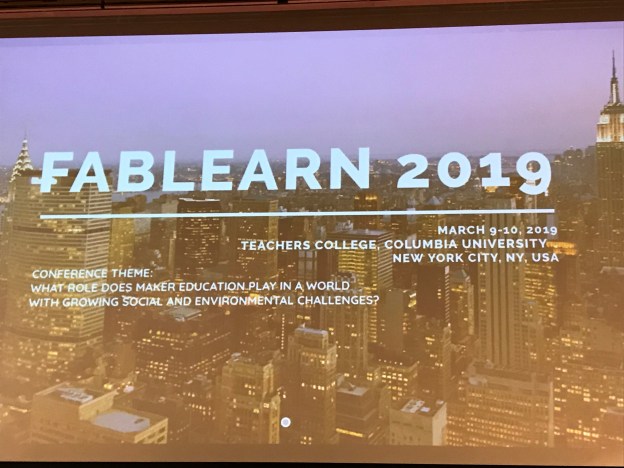
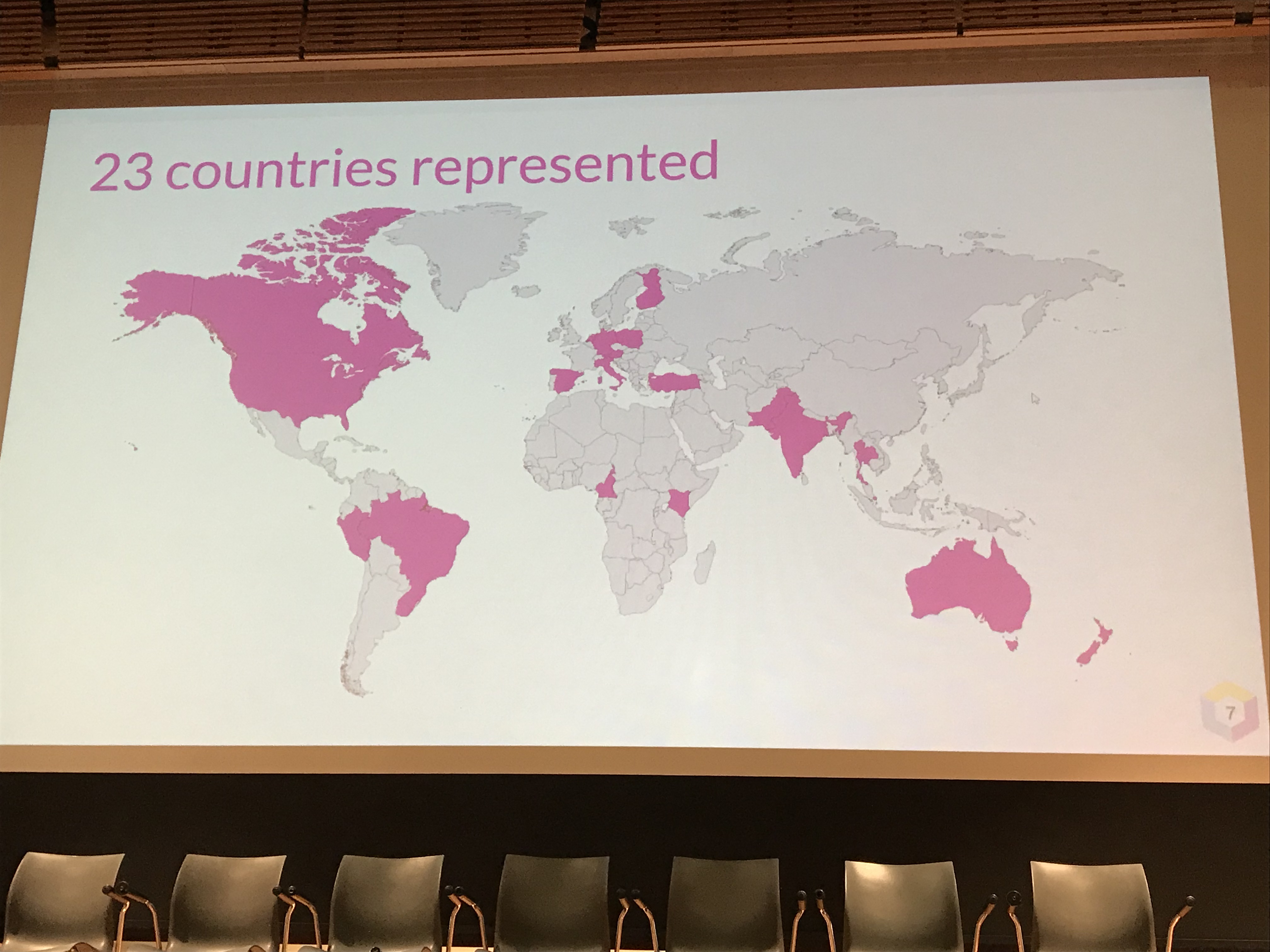
The 8th Annual FabLearn flagship conference on Maker Education took place at Columbia University, New York on 9th – 10th March. The conference theme What Role does Maker Education Play in a World with Growing Social and Environmental Challenges attracted over 400 educators, stakeholders and researchers from 23 different countries to participate in inspiring lectures, workshops and poster sessions. From Finland there were three Innokas Network presentations: one poster in Educator track (by Raini Sipilä, Kati Sormunen and Tiina Korhonen), one student poster (by Matias Ola, Sini Riikonen, Tiina Korhonen and Kati Sormunen) and one short paper (by Tiina Korhonen, Laura Salo and Kati Sormunen).

Columbia University is one of the oldest universities in US, established in 1754. It is also a former university of John Dewey whose idea of learning by doing doesn’t get old. During the conference the audience was challenged to ask themselves questions about ‘who is making?’ and ‘why making?’.

Keynote speaker Sylvia Martinez highlighted the word ‘making’ from different angles. Interesting part was her prediction on Future: biotech is the new digital – we will move forward from cyberphysical to cyberbiological future. Martinez also emphasized sharing as the best way to ensure understanding. She encouraged teachers to empower their students to understand their capability to control machines and therefore affect to their own future.

Amanda Cox, the second keynote speaker, came from The New York Times. Cox is a data editor and she is responsible for both written and visual content in NYT. Ms Cox spoke about scale, context, patterns and annotation levels and how these are shown in digital way. In digital newspaper settings are able to create interactively: the reader is able to affect how or what she/he sees and reads. Amanda Cox said, it is important to transform data into a form in which it is more understandable – for example data is put into familiar environment.

Panels on both Saturday and Sunday were more or less representatives’ presentations on their projects. All discussion topics were related with making somehow: Making in an age of social unrest, Making without destroying the planet: is it possible?, Making for film and theatre and Making around the world: Experiences and lessons learned. For me the most fruitful panel was the last one: educators from six different countries shared their experience on maker culture on their own country.

Significantly important notice is, that nobody works alone. Everything is made in collaboration with other people. Short and full papers were written together, young makers and educators had worked with teams to get their presentations to the conference. My visit with Innokas Network experts was amazing. My mind and understanding grew because of the conversations I had with all kinds of people. People who seemed to be as interested in making and designing as I am.
IMG_8553

Raini Sipilä

Scifest Field Trip

I had the opportunity to tag along with a busload of primary school students for a three-day trip to attend SciFest in Joensuu. The students, from Koulumestari and Vanttila schools, were attending the festival to compete in the RoboCup Junior Finnish Nationals.

IMG_6948IMG_6961

SciFest is a yearly festival that features activities and workshops for students and teachers. This year the festival celebrated the UNESCO International Year of Light. While this made for some interesting activities and displays, it also meant that the building was too dimly lit for easy photo taking! The festival included many booths with activities on topics such as computer programming, 3D printing, color mixing, light bulbs, lenses, colorblindness, and environmental issues. Many of the booths were run by students, ranging from university graduate students to those in middle school.

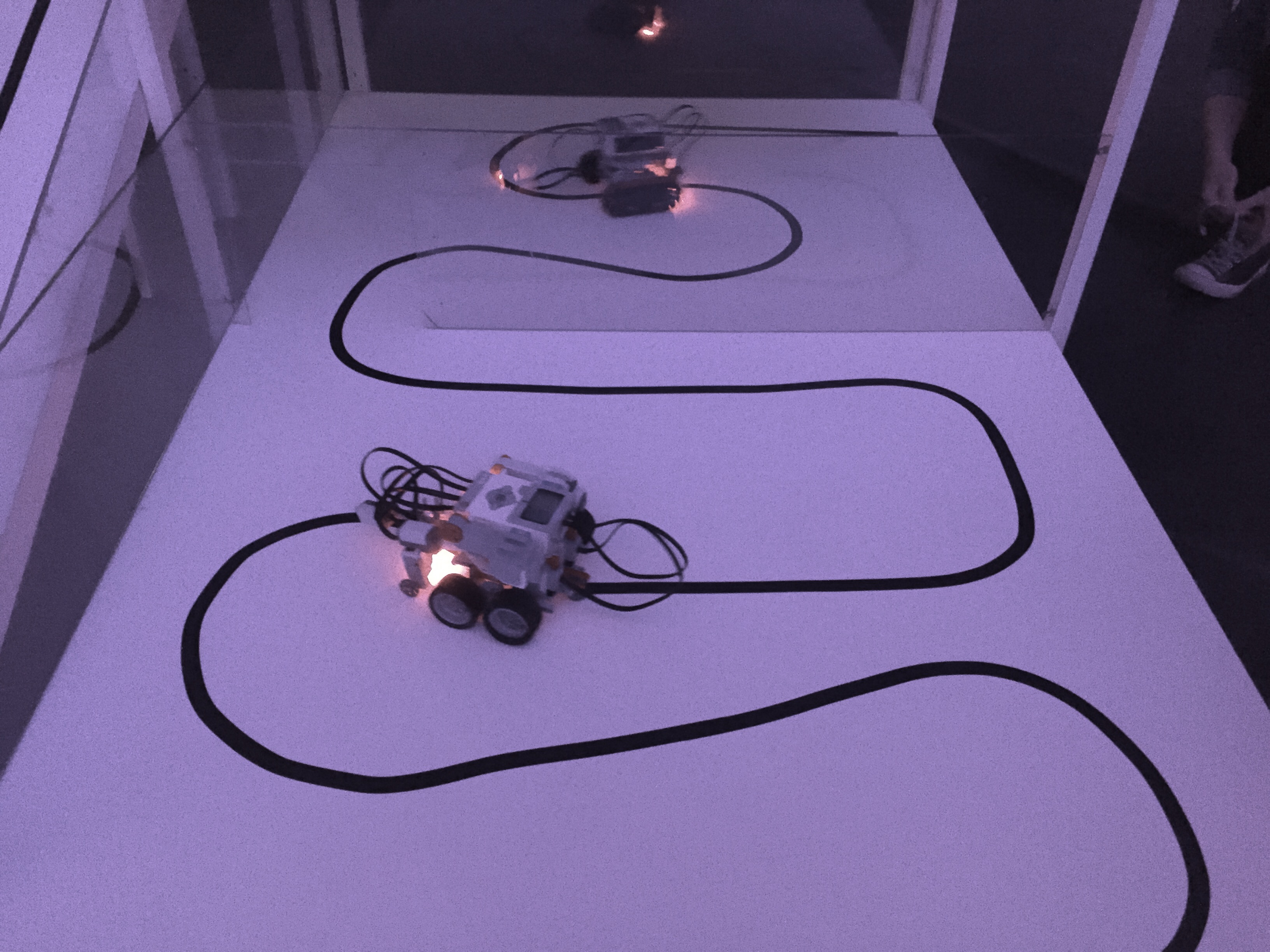
The RoboCup event included five different types of competitions. Some were more traditional events such as Soccer and Sumo Wrestling. Two others highlighted students’ creativity. One was the Freestyle competition in which students had to design a robot to achieve some type of useful task. My three favorites Freestyle entries are shown below.

DSC01366

The robot creates artwork that’s for sale.

To play this game, you deposit a coin in the machine and then stop a moving lever at the right instant to win a bag of liqorice.

To play this game, you deposit a coin in the machine and then stop a moving lever at the right instant to win a bag of liqorice.

This machine feeds your pet lizard automatically if you're out of town.

This machine automatically feeds your pet lizard if you’re out of town.

img_6876

img_6892

fullsizerender-15-2fullsizerender-14img_6896While attending the festival was the purpose of the trip, it was only part of the fun for the students. We traveled six hours by bus and camped out in a local school with more than 200 students from all over Finland. The boys all slept in the gym, and the girls stayed in classrooms. In the evening, the students had the run of the building. They played in the gym or in the hallways of the school that featured a giant chess set, pool and ping-pong tables, and video games. Breakfast and dinner were eaten in the school cafeteria. This way of traveling makes so much sense, yet I’ve never heard of students doing this in the US. Fun times!