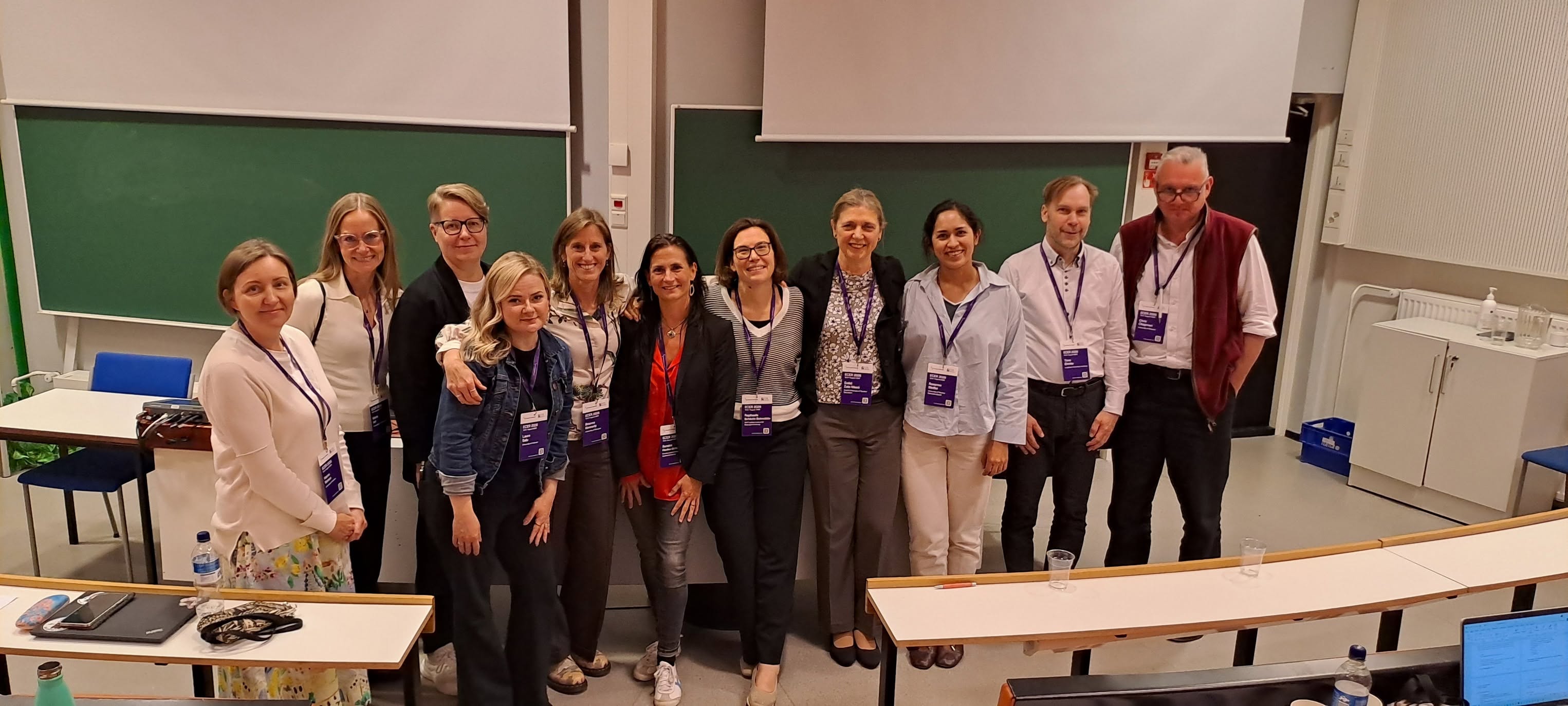
Innokas Network was honored to host a symposium at the European Conference on Educational Research (ECER) on Thursday August 20th focusing on Research-Practice Partnerships (RPP) titled: The fostering and challenging factors in creating sustainable research-practice partnerships. The symposium consisted of eight insightful presentations from various educational contexts. The presenters represented Finland, Sweden, Germany, Scotland, Switzerland and the U.S.
Working together, guided and inspired by National Network of Education Research-Practice Partnerships (NNERPP) (see our previous post) our collective goal is to gradually construct a sustainable, Europe-wide RPP network that fosters collaboration and innovation in education, benefiting educators and researchers across the continent. Together, we are paving the way for meaningful partnerships that enhance educational practices throughout Europe.
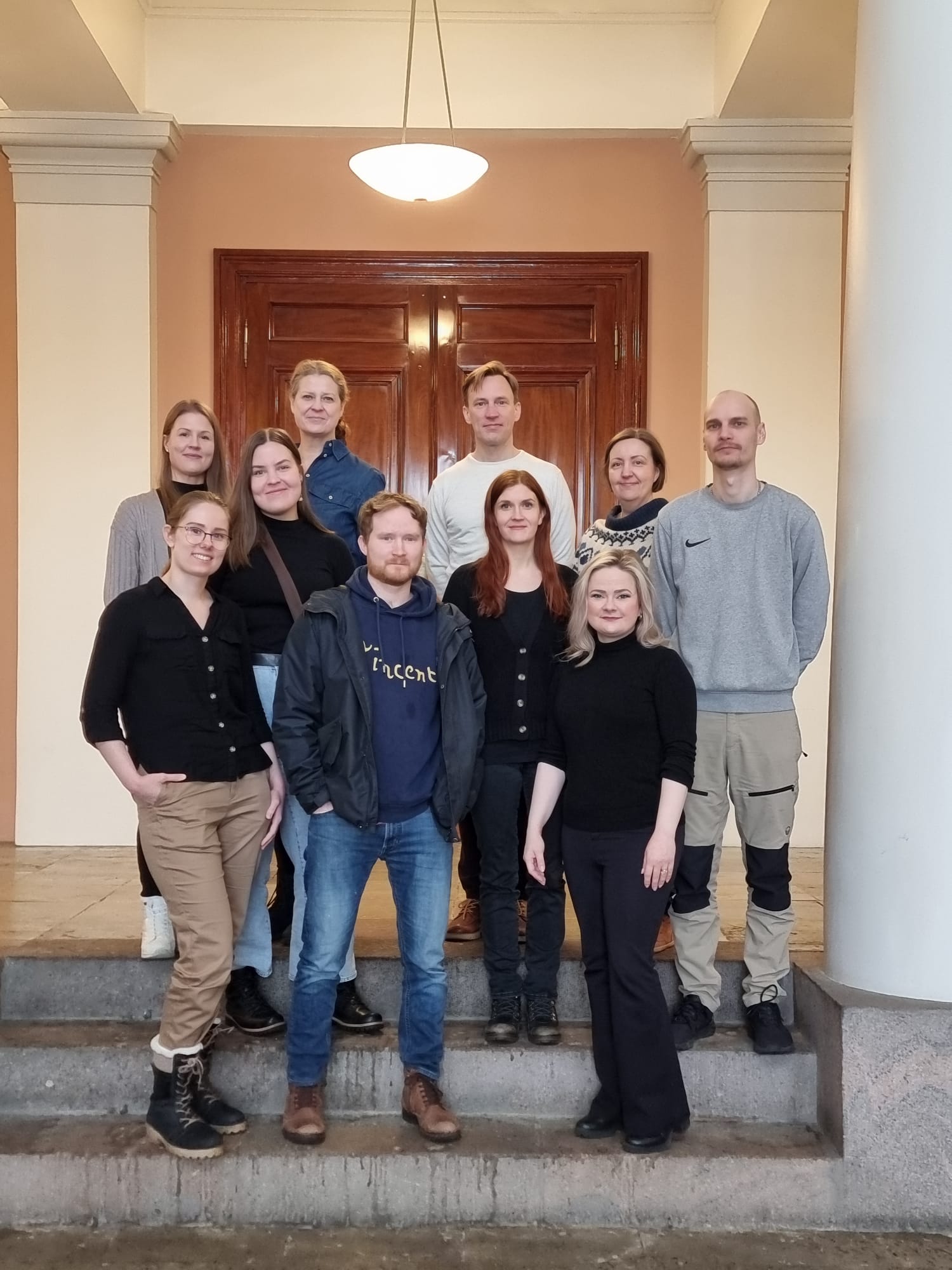
Every six months, the research group of Innokas Network gathers for a self-organized retreat. It is becoming one of our most inspiring and joyful ways to nurture shared expertise and a sense of coherence as a team. This spring’s retreat brought us together for two full days of collaborative work, meaningful discussions, and exciting group activities on the Central campus at the University of Helsinki. The atmosphere was warm and encouraging from the very beginning as we shared our knowledge and explored means for professional growth both individually and collectively. These two days also gave us the opportunity to reflect on our developing professional identities and to acknowledge each other’s strengths.
During the retreat, we explored topics related to science popularization and publishing, the team’s on-going research and projects. Through collaborative discussions, we further elaborated our team’s research interests and expertise. We participated in playful science visualization tasks that helped us reimagine how research can be communicated in engaging ways. We also began shaping the next Campfire research-practice partnership event, where Innokas Network’s researchers and teachers come together to share concerns, discuss new ideas, and initiate potential practical research projects. The days were full, rewarding, and inspiring. Amidst the scheduled online meetings and distributed preparation of articles and projects, this retreat presented a rare moment away from our daily routines to meet face to face and harness this team’s potential to contribute to education by co-creating, planning ahead, and developing means to support both educational research and practices.
Although our schedule was packed with workshops and deep discussions (including a lovely mindfulness session led by Esa Pavloff-Pelkonen to kick things off), the retreat was ultimately defined by the people who contributed their duration, insights, and creativity to it. We extend our warmest thanks to everyone who participated, presented, and organized to co-create this shared lived experience. We would love to hear or read your thoughts – what have been your favorite or most inspiring team-building or co-development activities?
Joakim Laine & Johanna Airaksinen Doctoral researchers from the Innokas Network research group
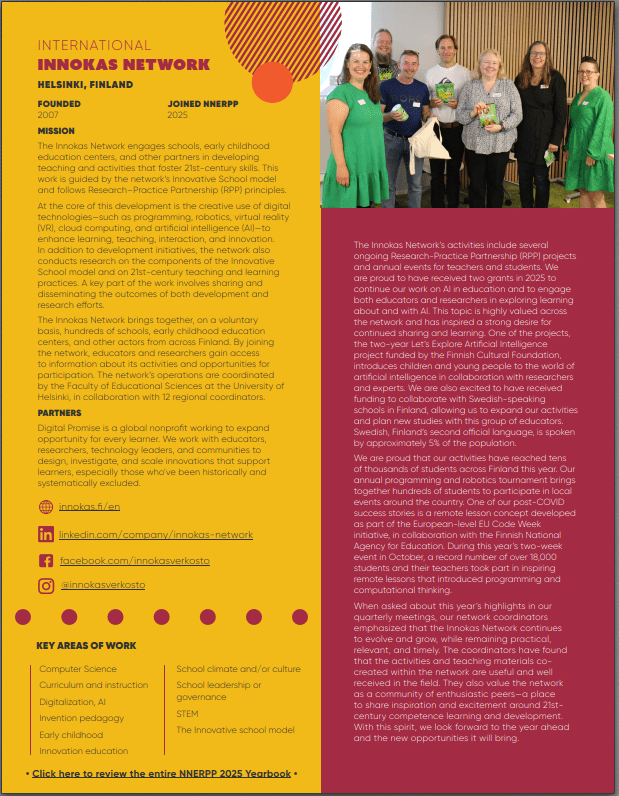
The National Network of Education Research-Practice Partnerships (NNERPP) brings together research-practice partnerships (RPP) in education to connect and share. Innokas Network is honored to be a part of this community. In the NNERPP Yearbook we reflect on the past year’s highlights and successes such as our new AI-themed projects and remote lessons.
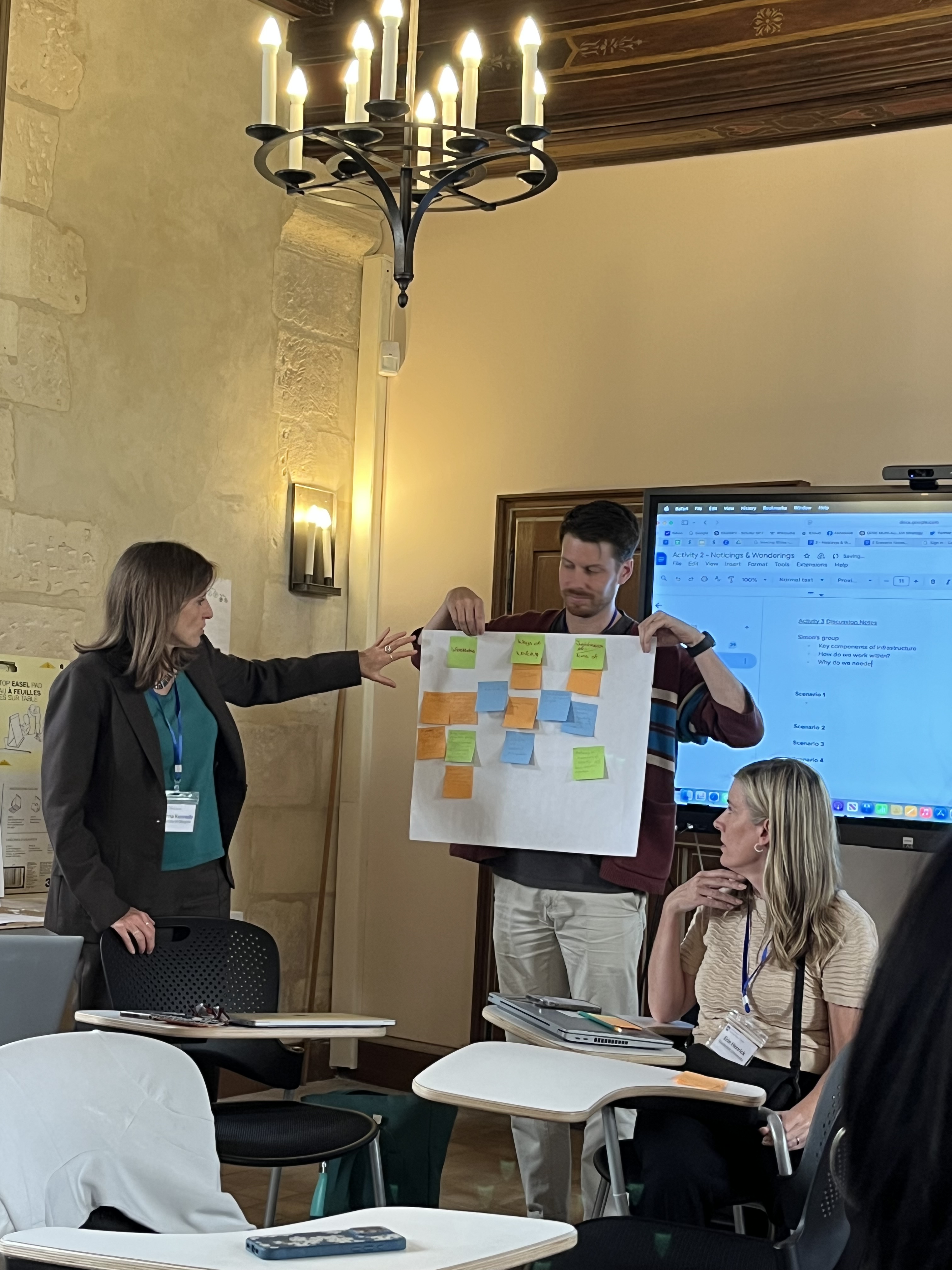
It is a wonderful honor to start to work on building a European level research-practice partnership (RPP) network. Earlier this year, Innokas Network joined the U.S. based National Network of Education Research-Practice Partnerships (NNERPP) in order to deepen our shared knowledge on RPP’s across contexts. The coordinating university of NNERPP, Rice University, hosted an expert group of RPP-researchers at the Rice Global Paris Center September 16-18. Representatives from the U.S. Germany, UK, Switzerland, France, Sweden, Norway and Finland came together to share RPP-related experiences, discuss the central features of RPP’s, envision what this European level network would look like and decide on next steps.
Two exciting days filled with interaction around first, getting to know one another second sharing and co-developing a base for what we envision for the network. It was a great opportunity to come together in the same space and time to discuss contextual issues, principles and experiences.
We are grateful for the organizing team for their efforts in bringing us all together and facilitating structured and meaning exchange of ideas. Equally we are thankful to all the participants as they stepped up to bring their own valuable experiences and views to the table.
RPP’s are an effective and meaningful approach to educational transformation and the field would benefit greatly from shared knowledge, research across contexts and joint initiatives.
“EU Code Week is a grass-roots movement that celebrates creativity, problem solving and collaboration through programming and other tech activities. The idea is to make programming more visible, to show young, adults and elderly how you bring ideas to life with code, to demystify these skills and bring motivated people together to learn.” https://codeweek.eu/about
The Innokas network, together with the Finnish National Agency for Education, challenged teachers, schools and educational institutions to get excited about programming and computational thinking in Finland! We hosted exciting and versatile distance learning lessons for students of different ages, from preschool to middle school. Schools were also invited to organize their own coding event with their students and to add their event to the EUCodeWeek.eu -page.
In October 2023, nearly 15000 students and their teachers registered to participate in nine distance lessons with the topics ranging from coding games, to programming without devices, to artificial intelligence. It was truly an engaging and innovative way to get excited about programming and learn together!
On the EU’s Code Week website, you can find tips, materials and courses for implementing events, as well as the English-language social media channels maintained by the European Commission, where you can follow the activities of the code week throughout the year.
好久不见! , ”Long time, no see!” is a Chinese phrase for not seeing someone for a while. This is what I and my Chinese guests said to each other when we met on this May.
The Global Education Community (GEC) and Global Innokas Network has given me many opportunities to meet new people around the world. During our trips to China we have for example met Joan, a journalist of Education. On this spring she came to Helsinki with Wang Xiaofeng (a principal in a rural school near Beijing) and Hongdi (a voluntary teacher in Beijing area). They all wanted to visit Nuuksio National Park and our school – both visits went well!
On Sunday the 21st we wandered in Nuuksio National Park and I told my visitors about Finnish Nature and the Nature School of Haltia. My visitors were amazed how important role the Nature has in Finnish everyday life. We also visited Haltia’s exhibitions where Joan, Xiaofeng and Hongdi were able to learn how animals survive during wintertime or how bear or birds live. After that we came to my house to talk and to have dinner together.
On Tuesday the 23rd my guests came to visit our school. They were impressed how well organized everything is and how much is going on all the time. Joan, Hongdi and Xiaofeng followed me and my students (4th and 9th graders) to Riistavuori Senior House where my students performed their poems to seniors and where seniors performed their poems to my students. My Chinese guests wondered, how come we are having this sort of cooperation. Well, the idea comes from our National Curriculum, doesn’t it!
I hope I see my Chinese colleagues in a future, either here in Finland or in China!
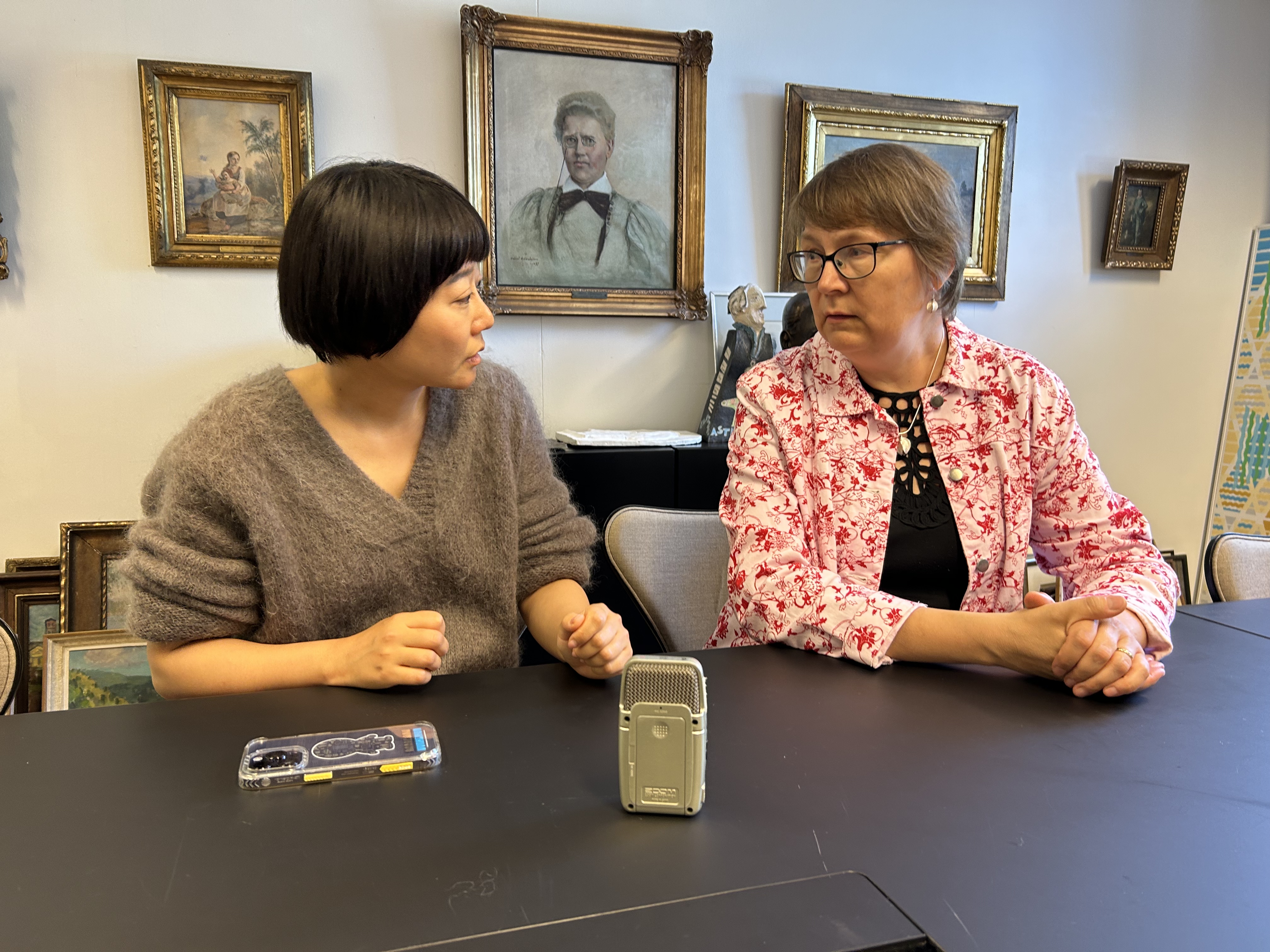
A Visit to Riistavuori Senior HouseJoan and meMy Chinese colleague making an interview
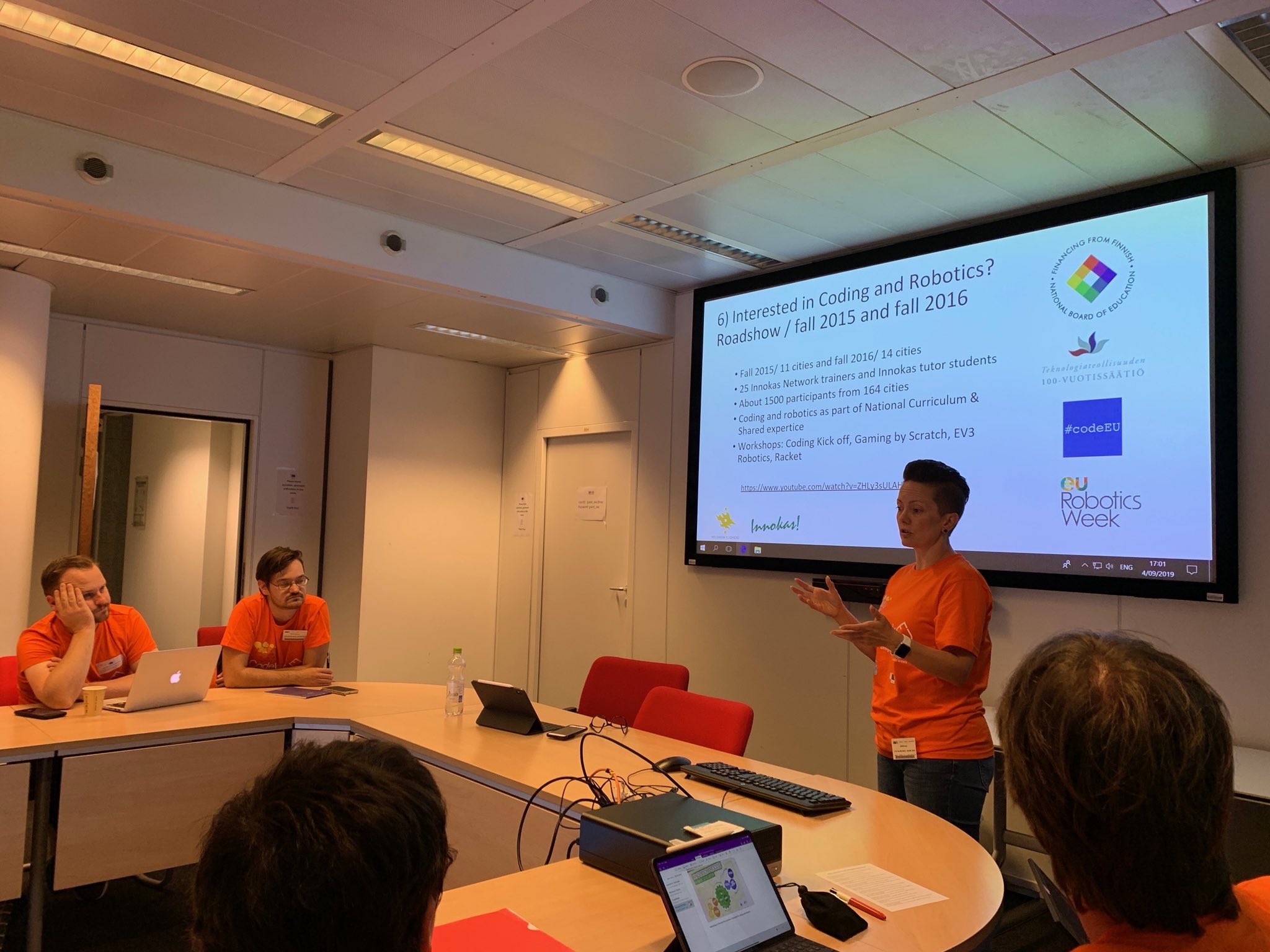
I had the privilege of attending EU Code Week Ambassadors and Edu Coordinators meeting in Brussels on September 4.-5. on behalf of Finland’s Ambassadors and Edu Coordinators. The two days were full of networking, key speakers and planning. I also introduced Innokas network as one of Finland’s best practices on the field of coding and innovations.
On the first day we heard from Nadia Aime and her personal story on how it has lead her to work toward bringing equality in coding for all. We also heard about the Code Week pilot Summer school. You can read more about the summer school in my blog here.
Then it was time for best practises. I introduced the Innokas network, it’s story and all the things we do. You can read more about the Innokas network here. Other best practises came from Poland, Italy, Luxembourg, Romania and Austria. They covered topics like computational thinking, tips and tricks for engaging code week and connecting the national digital education with the code week website. Day one was finished with a networking dinner.
On Thursday we got to see a sneak peek at the new redesigned EU code Week website. It should be out any day now, so keep a look out for the orange! We also got to hear three interesting presentations.
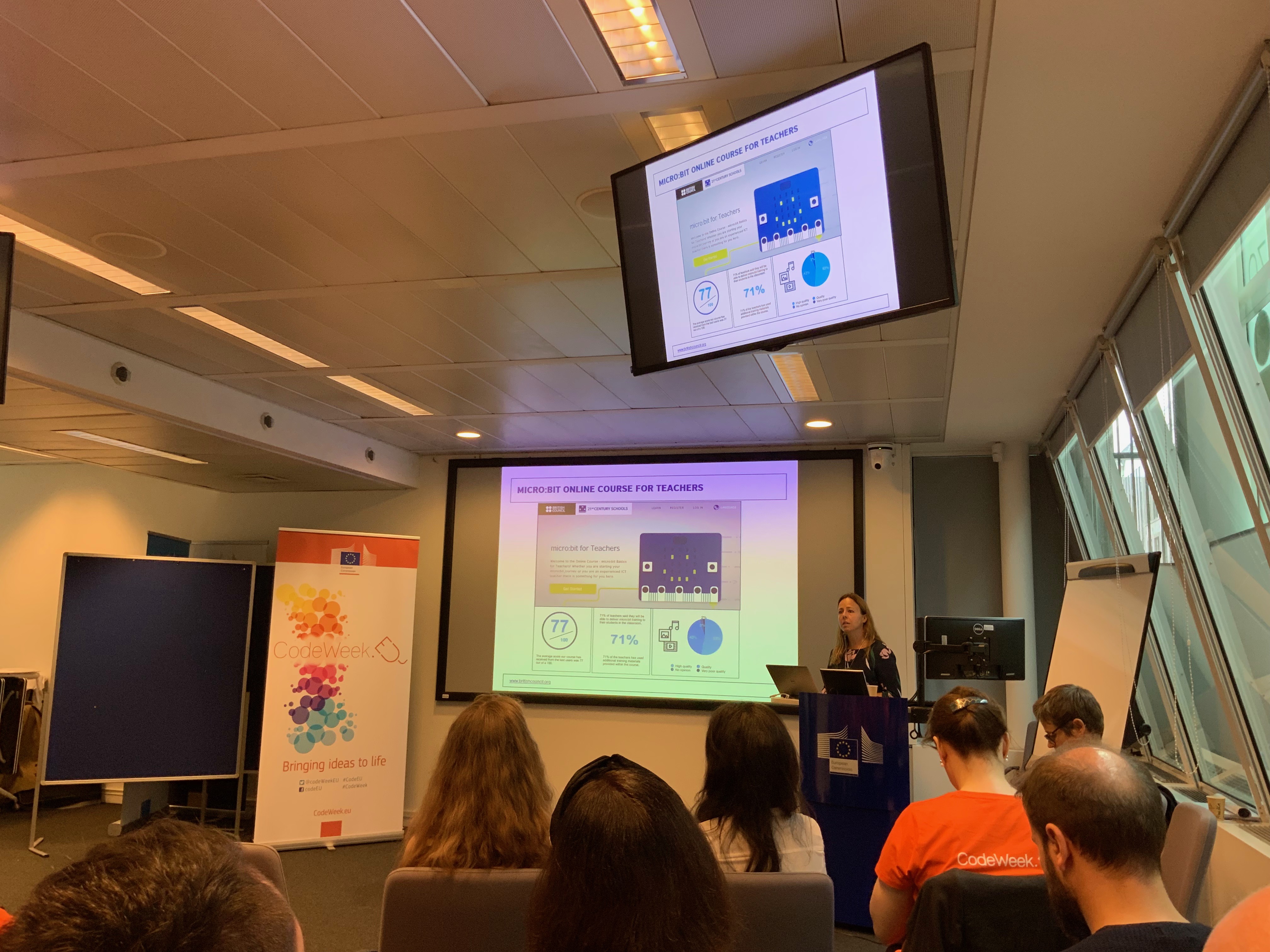
Claire Sears from the British Council told us about their work on training all the teachers in the Western Balkans. She also introduced the online courses they have for all teachers.
Loubna Azghoud from the Women in Tech Festival presented us with their Code festival for 2019. The subject this year is Code & Fly to the moon. Read more about it on their site starting September 9th.
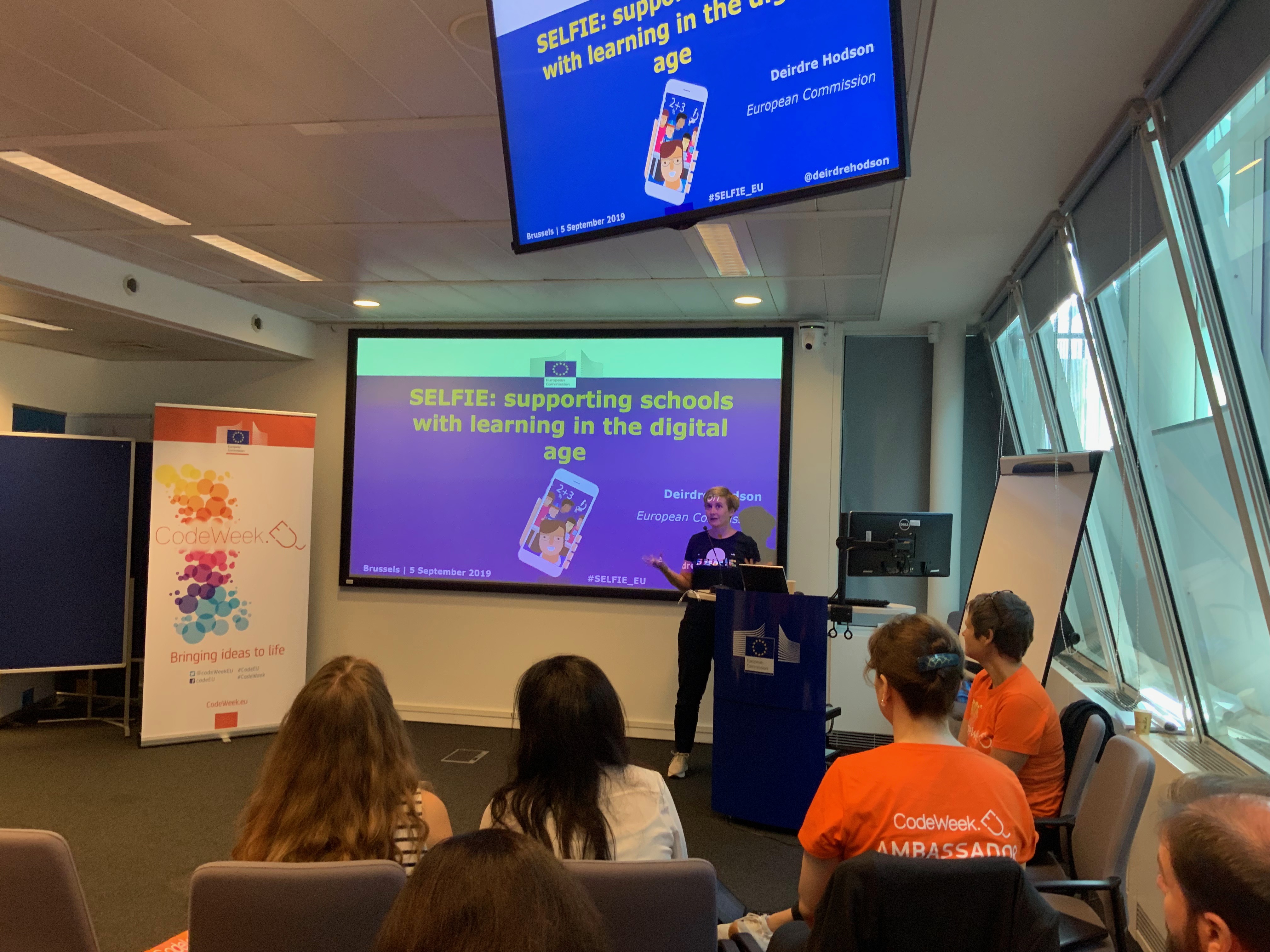
Deidre Hodson from DG Education, Youth, Sport and Culture introduced the SELFIE. It’s a free, easy to use tool to help schools find out where the students and teachers are in regards of digital learning and digital competences.
The Innovative school model by Innokas and the holistic approach on embedding technology in teaching and learning introduced by SELFIE and european Commission have a lot in common in my opinion.
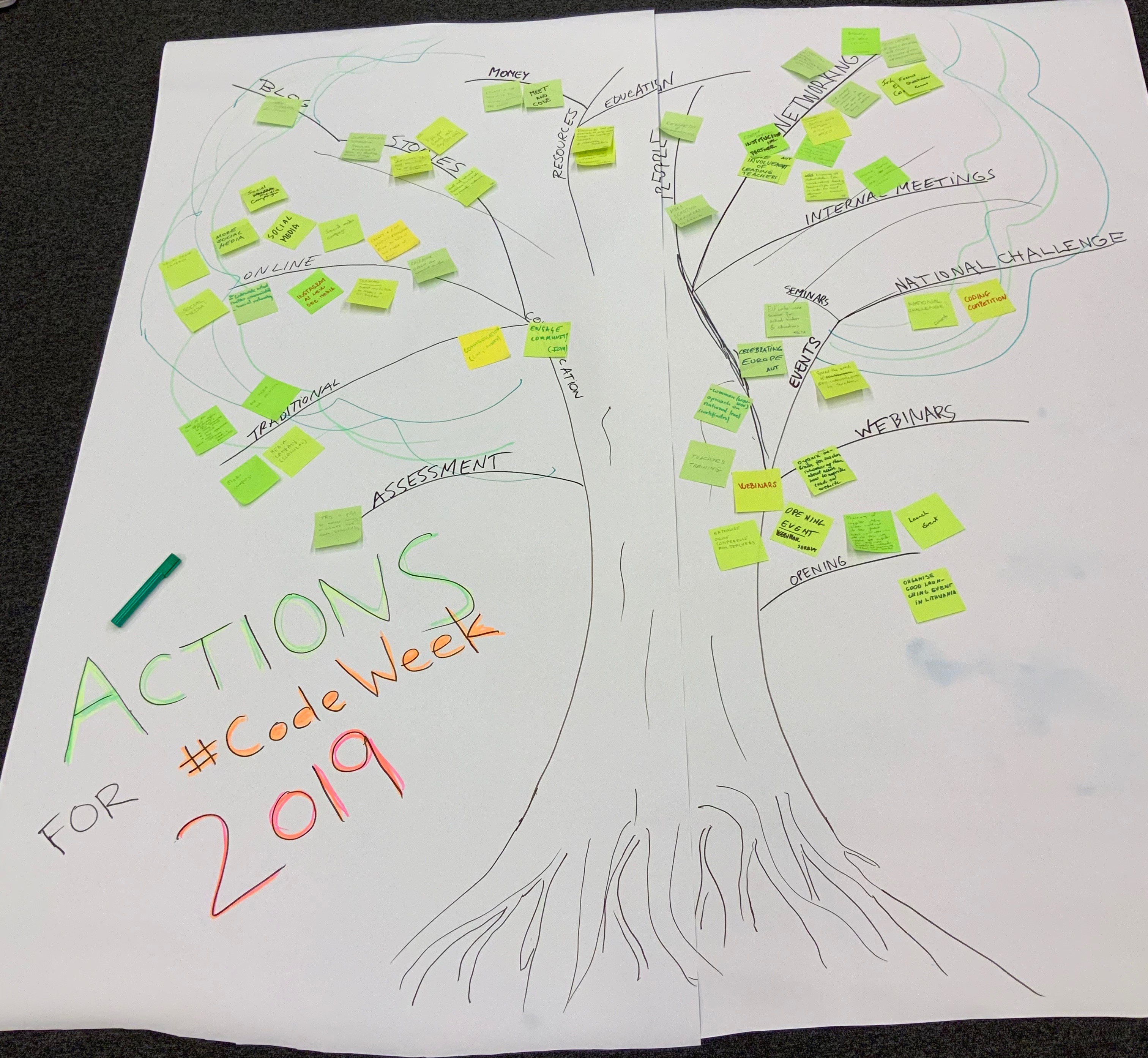
We also worked on brainstorming for the Code Week vision of the future and mind mapped for the actions of Code Week 2019. The countdown is on! 26 days and counting!
Anu Kahri,
EU Code Week Leading teacher in Finland
Classroom teacher, Jalavapuisto school, Espoo, Finland
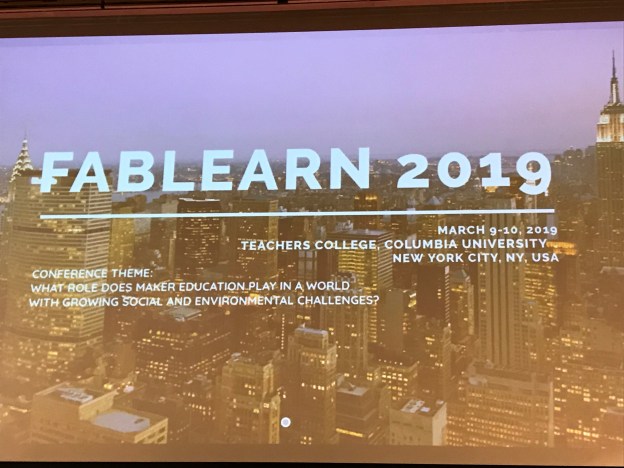
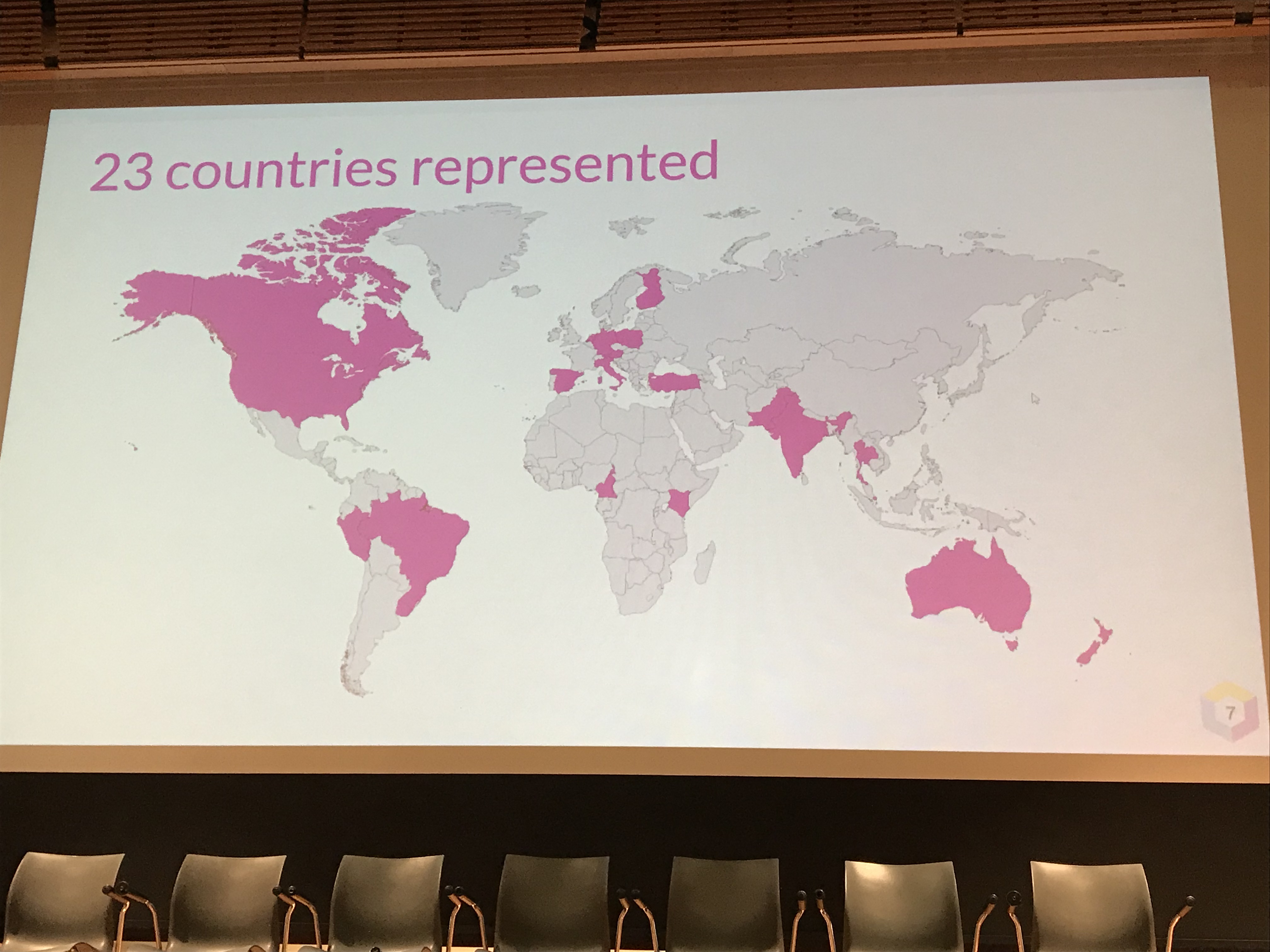
The 8th Annual FabLearn flagship conference on Maker Education took place at Columbia University, New York on 9th – 10th March. The conference theme What Role does Maker Education Play in a World with Growing Social and Environmental Challenges attracted over 400 educators, stakeholders and researchers from 23 different countries to participate in inspiring lectures, workshops and poster sessions. From Finland there were three Innokas Network presentations: one poster in Educator track (by Raini Sipilä, Kati Sormunen and Tiina Korhonen), one student poster (by Matias Ola, Sini Riikonen, Tiina Korhonen and Kati Sormunen) and one short paper (by Tiina Korhonen, Laura Salo and Kati Sormunen).
Columbia University is one of the oldest universities in US, established in 1754. It is also a former university of John Dewey whose idea of learning by doing doesn’t get old. During the conference the audience was challenged to ask themselves questions about ‘who is making?’ and ‘why making?’.
Keynote speaker Sylvia Martinez highlighted the word ‘making’ from different angles. Interesting part was her prediction on Future: biotech is the new digital – we will move forward from cyberphysical to cyberbiological future. Martinez also emphasized sharing as the best way to ensure understanding. She encouraged teachers to empower their students to understand their capability to control machines and therefore affect to their own future.
Amanda Cox, the second keynote speaker, came from The New York Times. Cox is a data editor and she is responsible for both written and visual content in NYT. Ms Cox spoke about scale, context, patterns and annotation levels and how these are shown in digital way. In digital newspaper settings are able to create interactively: the reader is able to affect how or what she/he sees and reads. Amanda Cox said, it is important to transform data into a form in which it is more understandable – for example data is put into familiar environment.
Panels on both Saturday and Sunday were more or less representatives’ presentations on their projects. All discussion topics were related with making somehow: Making in an age of social unrest, Making without destroying the planet: is it possible?, Making for film and theatre and Making around the world: Experiences and lessons learned. For me the most fruitful panel was the last one: educators from six different countries shared their experience on maker culture on their own country.
Significantly important notice is, that nobody works alone. Everything is made in collaboration with other people. Short and full papers were written together, young makers and educators had worked with teams to get their presentations to the conference. My visit with Innokas Network experts was amazing. My mind and understanding grew because of the conversations I had with all kinds of people. People who seemed to be as interested in making and designing as I am.
This time teachers and school developers from Denmark and Finland gathered in Bedford for a week in October. The week was full of different school visits, great conversations about the English educational system and observation of the three T’s (time, talent and technology (and trust)).
Our visit to England started with a reunion in a local restaurant. After a fun evening together it was time to start the activities. On the first day we had a chance to visit the University of Bedfordshire. It was very interesting to hear about the English school system. We spent the next days in different schools where participants got to know the school, observe lessons and even teach microlessons. The last day of the week provided again an opportunity for each delegation to present their thoughts and reflections to each other and discuss together.
When discussing technology we found similar things that came up in both Finnish and Danish reflections. For us technology education in England seems like a separate entity from other education. This led to discussions about how to integrate technology in schools in order that it would be helpful and useful in pedagogical way.
Reflections on talent included discussions on grouping of pupils and ranking. One big topic was also trust. We noticed that headmasters trust their teachers but the lack of trust is evident from the government’s side and that leads to ongoing testing and registrations.
In a time perspective we talked about structured lessons and classrooms. Everything seemed to be very structured and that was one thing that was different from Finnish schools where we don’t have strict schedules and pupils may have just one or two tasks per lesson. Overall our visit to Bedford was great and we learned a lot about the English perspective to education and at the same time gained new insight into our own system.
Asta Ansolahti and Kati Sormunen / The Innokas Network
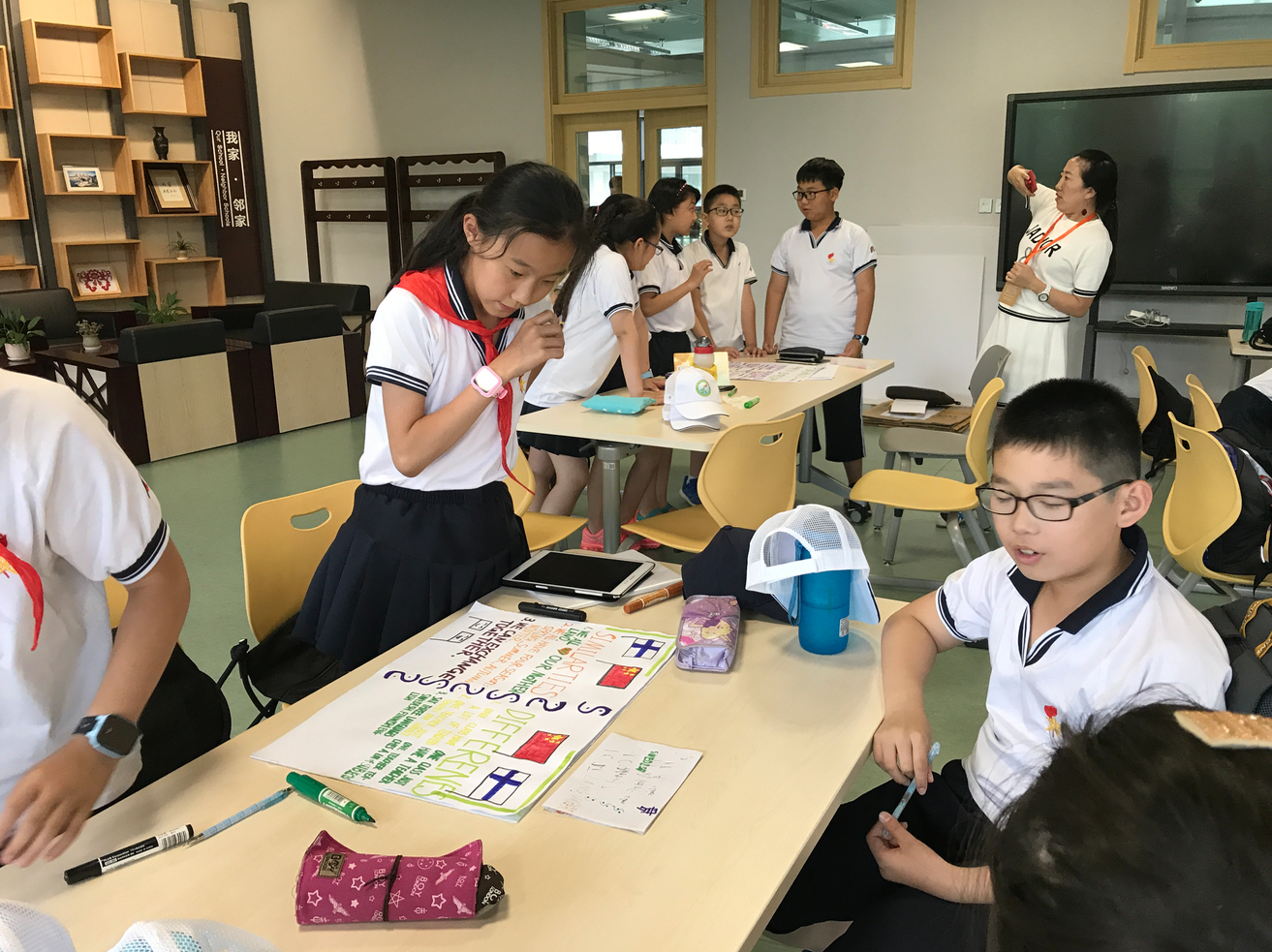
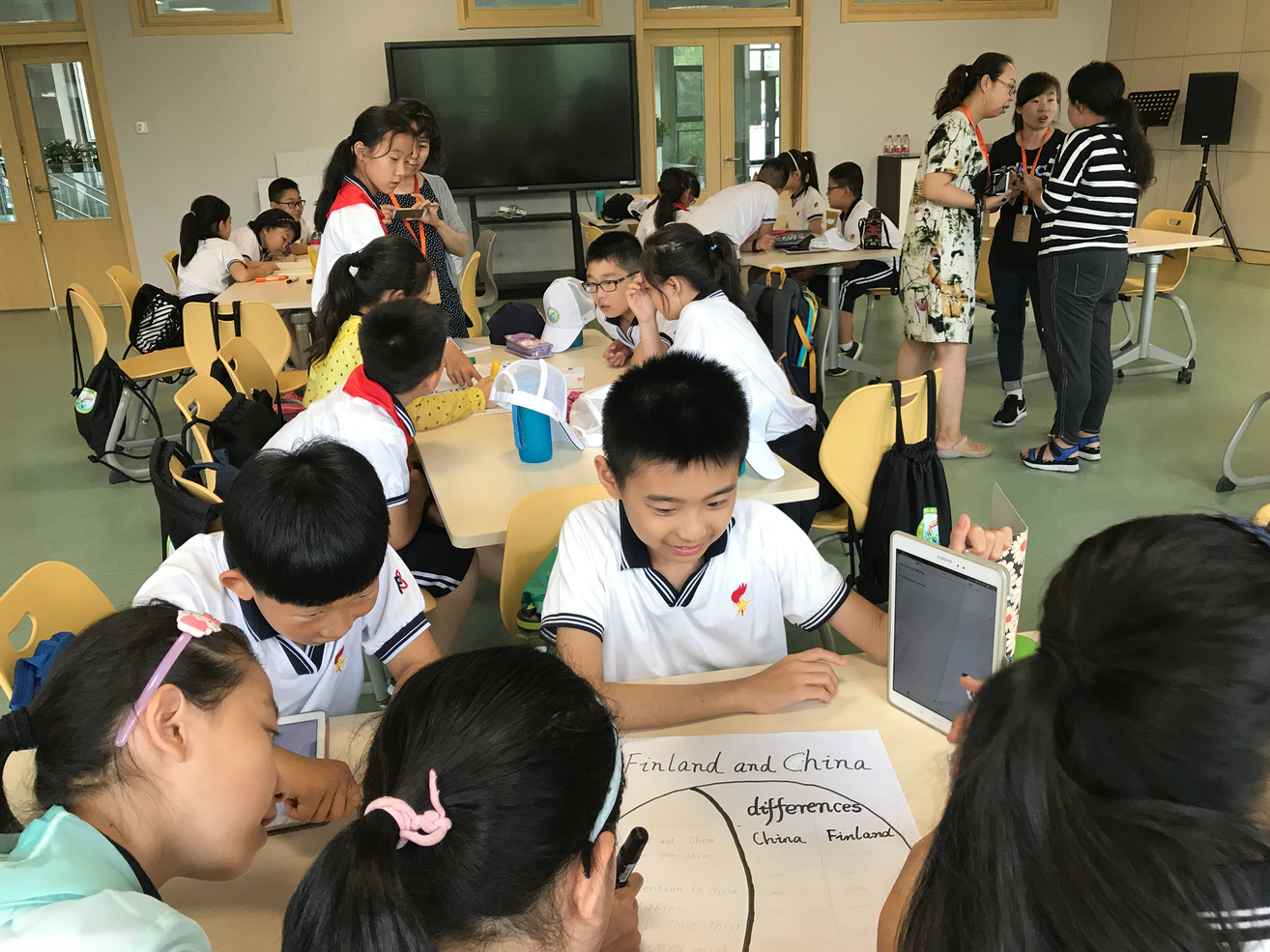
Our collaboration with students started with the games and the presentation about Finland. After these students made posters about the similarities and differences between China and Finland. The most popular similarities were four seasons, but the most popular difference was the lenght of summer time. About the school students were very eager to know that there is a free hot lunch in Finland, but in China they had to pay for their lunch. One of the biggest difference was the free-time that Finnish students have a lot and Chinese students only sometimes.
On the second time we met the students we played the Finnish game called “Juoru” (gossip in English). During that game students had to whisper to the next one what they did hear from the previous student. The main point of that game was to demonstrate how the sentence changed when it was told by many persons. The same thing happens with the gossips – they are not the same after many persons.
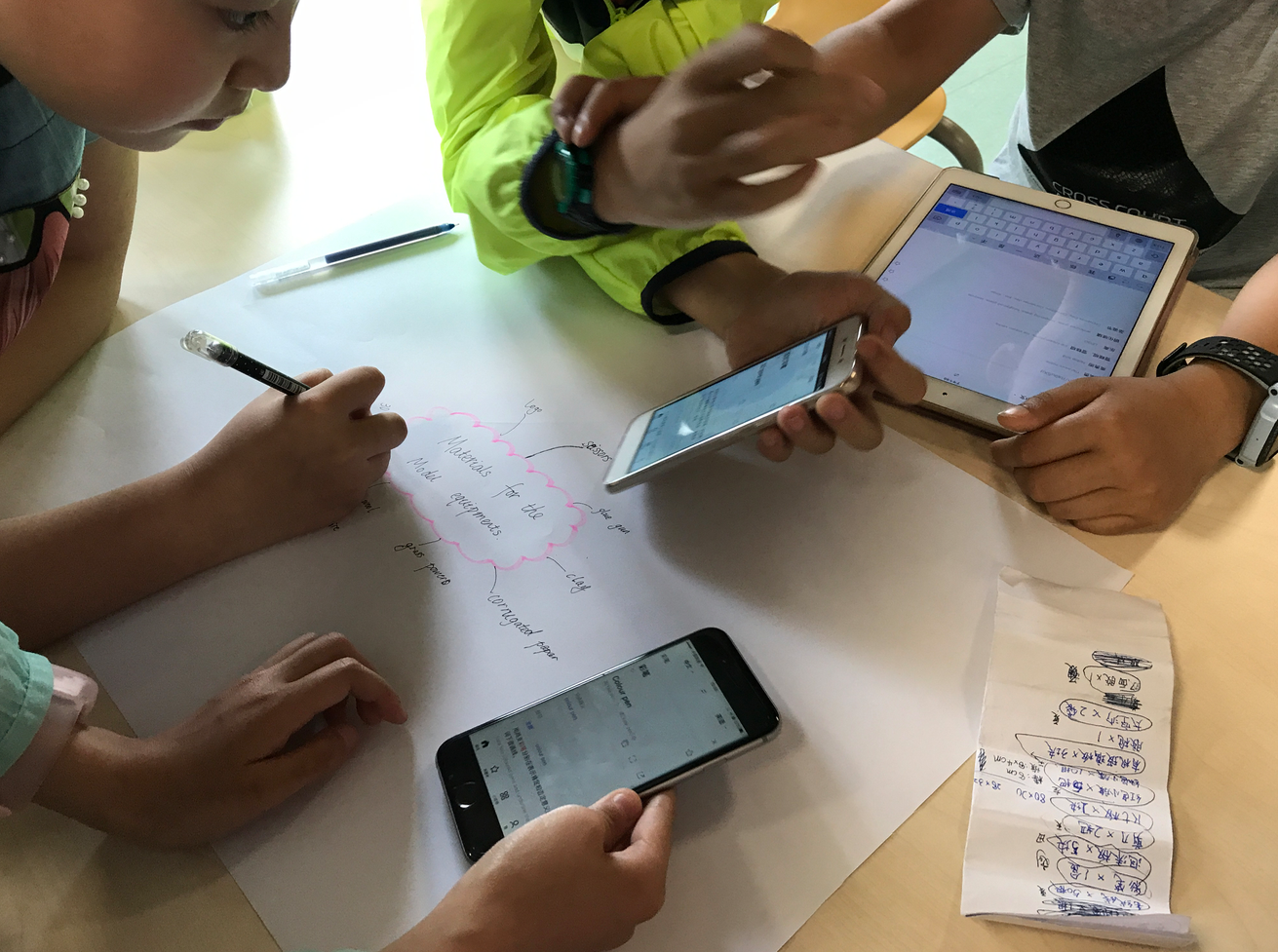
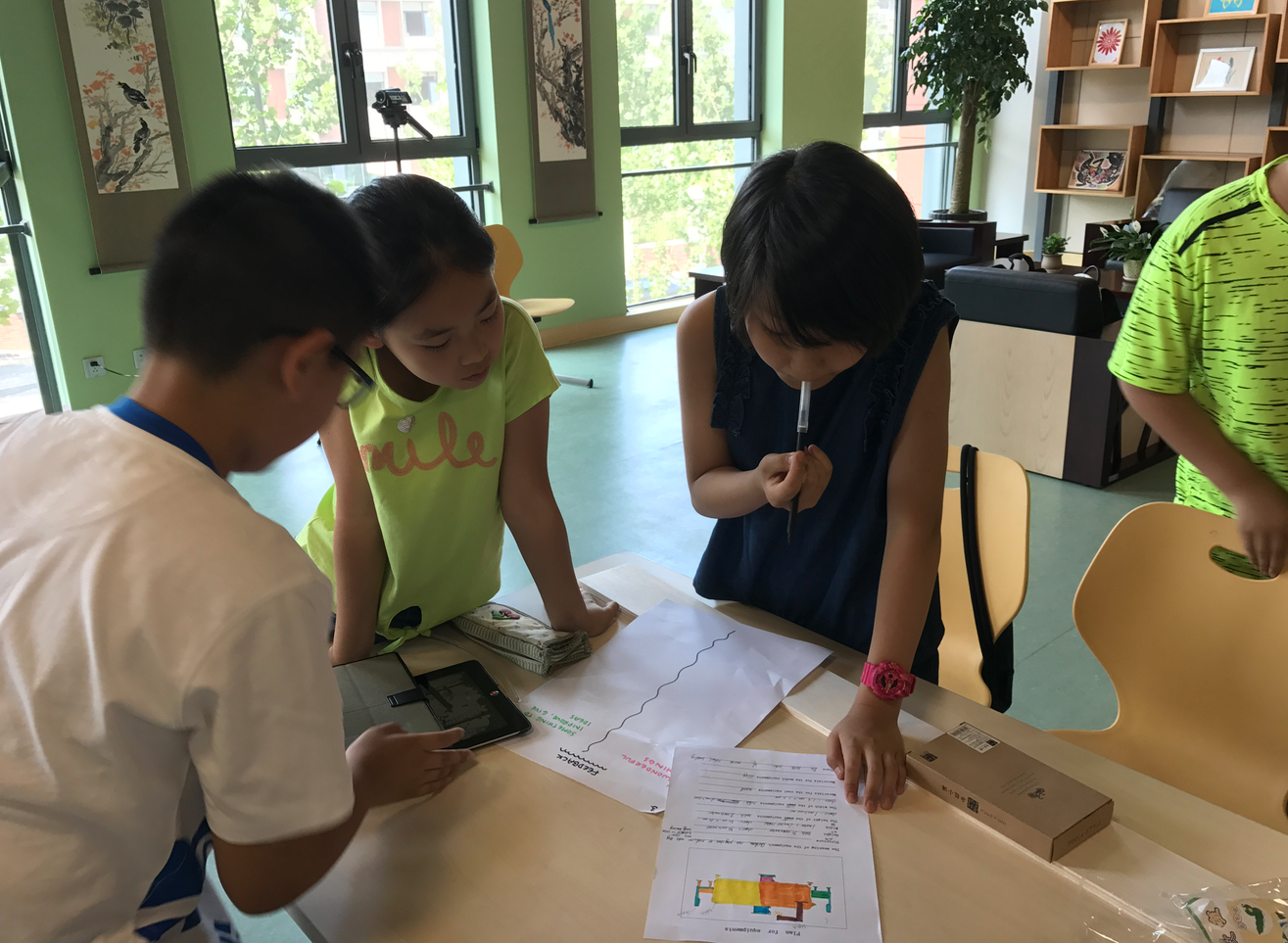
After playing students started to think about the basic knowledge of our playground equipment theme. In that case we used the method called “Learning cafe”. During that the groups of students moved from the table to another one and thought about the themes one by one. The themes were materials for the real equipment, materials for the model equipment, structures of the equipments, adjectives of the equipments of students’ dreams and places where to place designed equipments. During working students were allowed to use dictionaries and Internet to find translations and information. When every group had go through all themes, groups presented the ideas what was written down on the mind maps and we had a discussion about all themes.
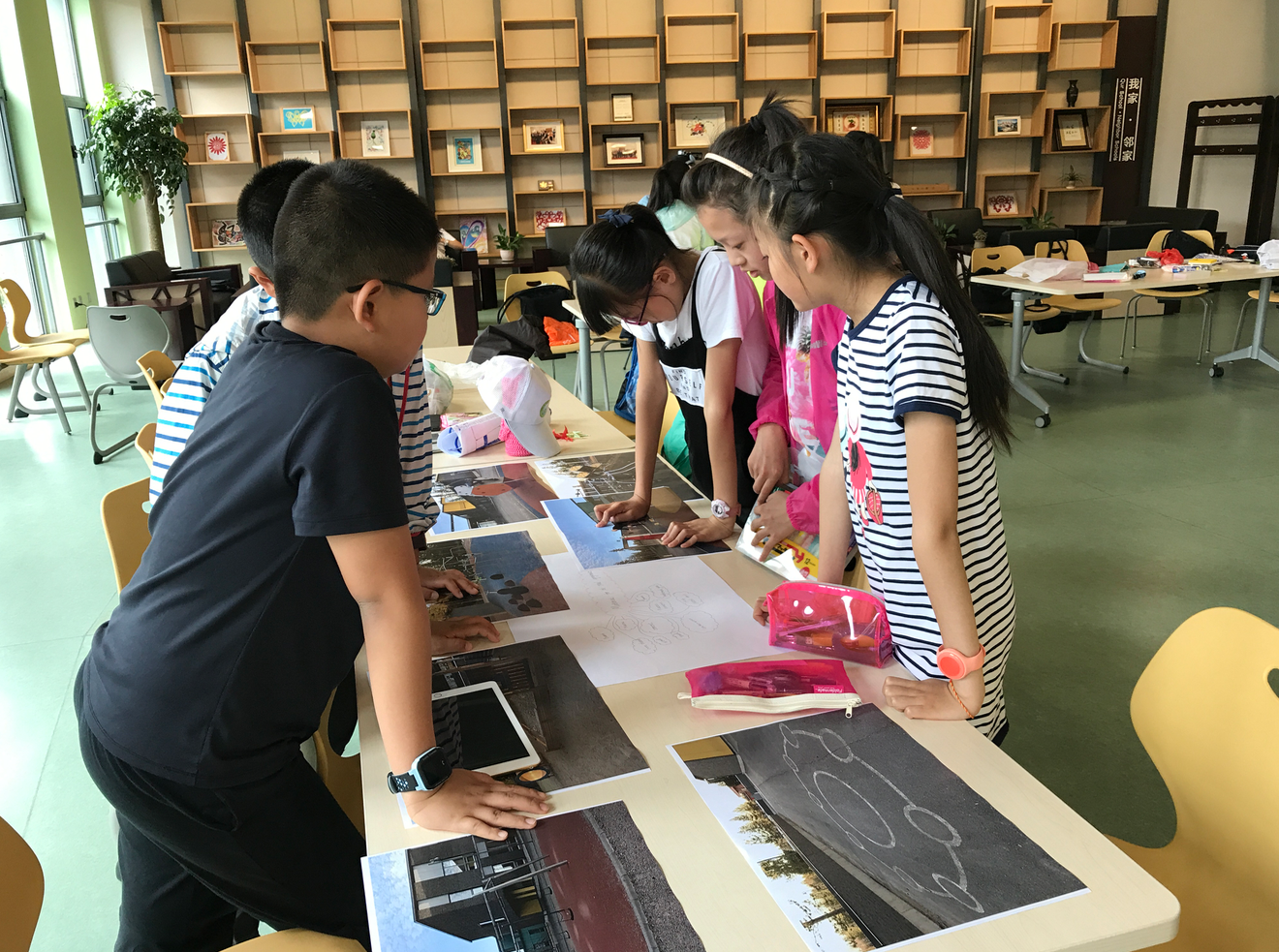
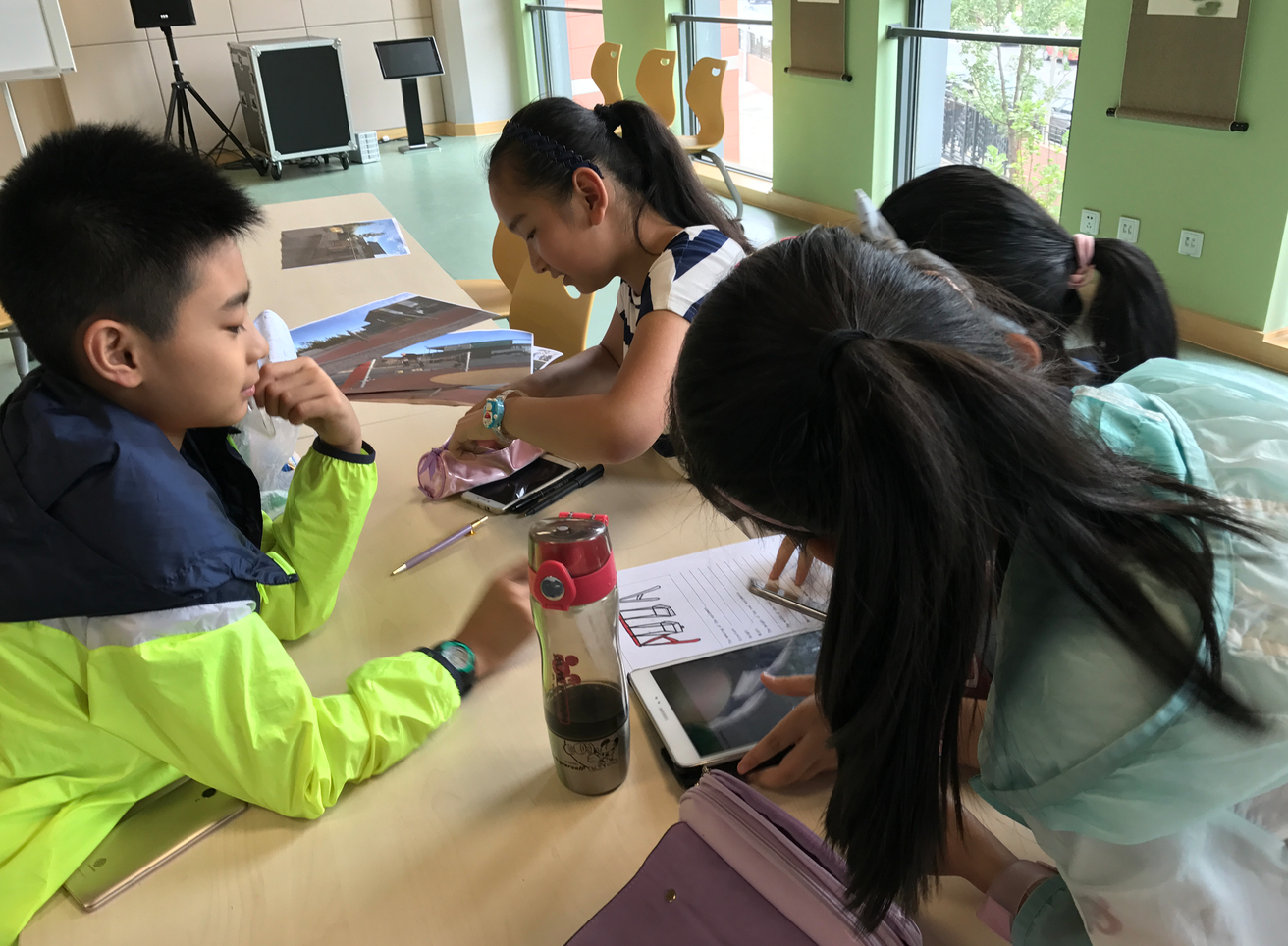
Students designed their playground equipment by using the planning paper. They drew a picture of the equipment and wrote down the main details of it, f. ex. the height, width, the size of the model, materials for the real one and for the model and also they thought where to place their equipment in their own school yard.
When the plannings where finalized, students gave feedback to other groups. For the second time we used the method called learning cafe. After getting the feedback, students improved their plans.
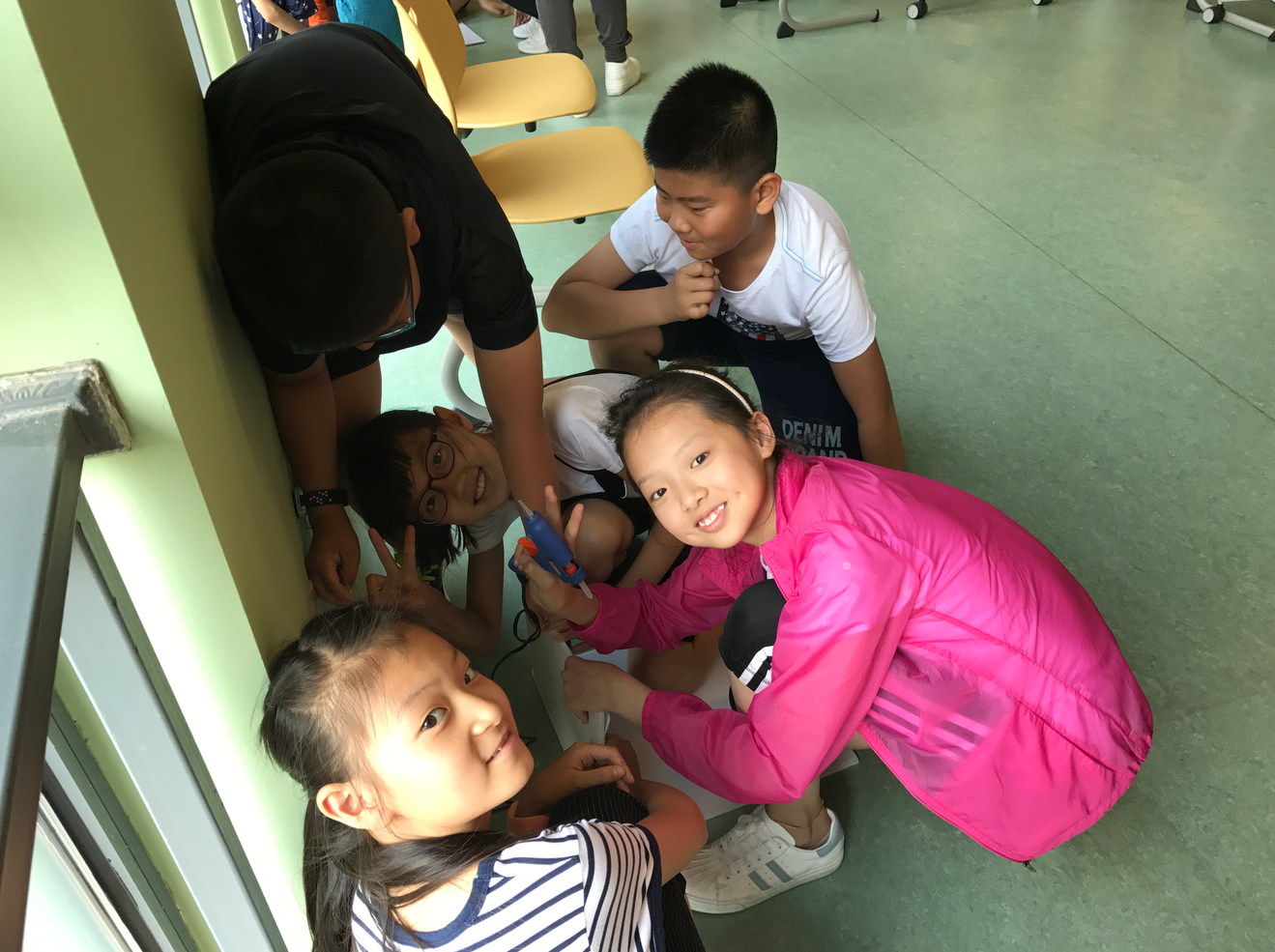
After planning it was time to build the miniature of their own school. During our demo lesson students continued their work and build the playground equipments that they planned before.
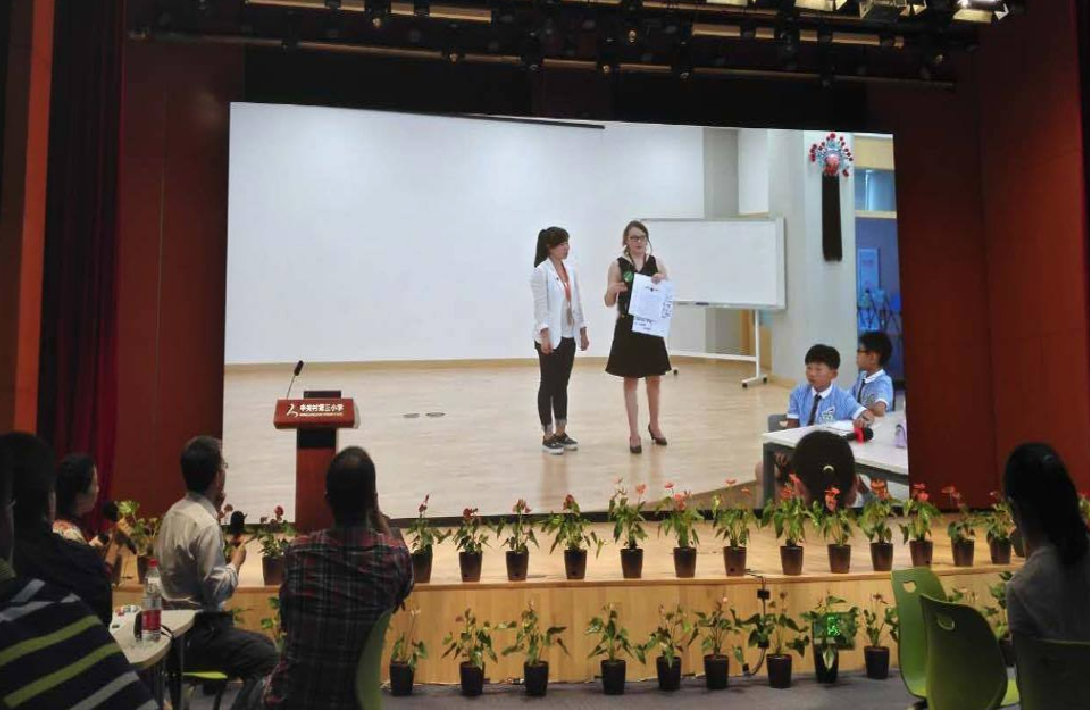
The conference participants followed the stream of our lesson in the Hall of Achievement. During our lesson there was also a interpreter who translated our lesson into Chinese. After the demo lesson we teacher went to the stage, presented our project and answered all questions asked by the audience.
We also presented them a video that tells what we had done during the Spring in Finland and in Taiyuan.
-Jaana from Metsokangas Comprehensive School, Oulu-