Category Archives: Research

The 3rd Annual Innokas Research Retreat

Every composition has an entry point!

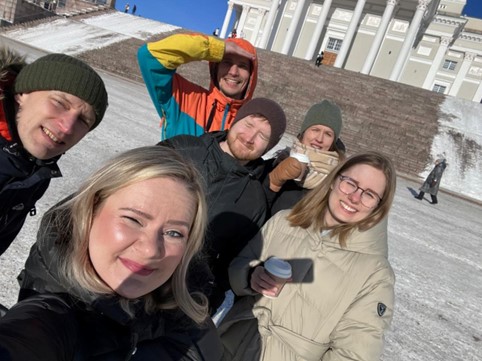
Every six months, the research group of Innokas Network gathers for a self-organized retreat. It is becoming one of our most inspiring and joyful ways to nurture shared expertise and a sense of coherence as a team. This spring’s retreat brought us together for two full days of collaborative work, meaningful discussions, and exciting group activities on the Central campus at the University of Helsinki. The atmosphere was warm and encouraging from the very beginning as we shared our knowledge and explored means for professional growth both individually and collectively. These two days also gave us the opportunity to reflect on our developing professional identities and to acknowledge each other’s strengths.

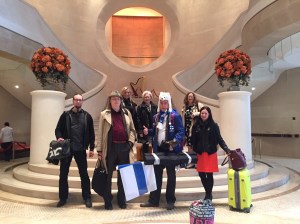
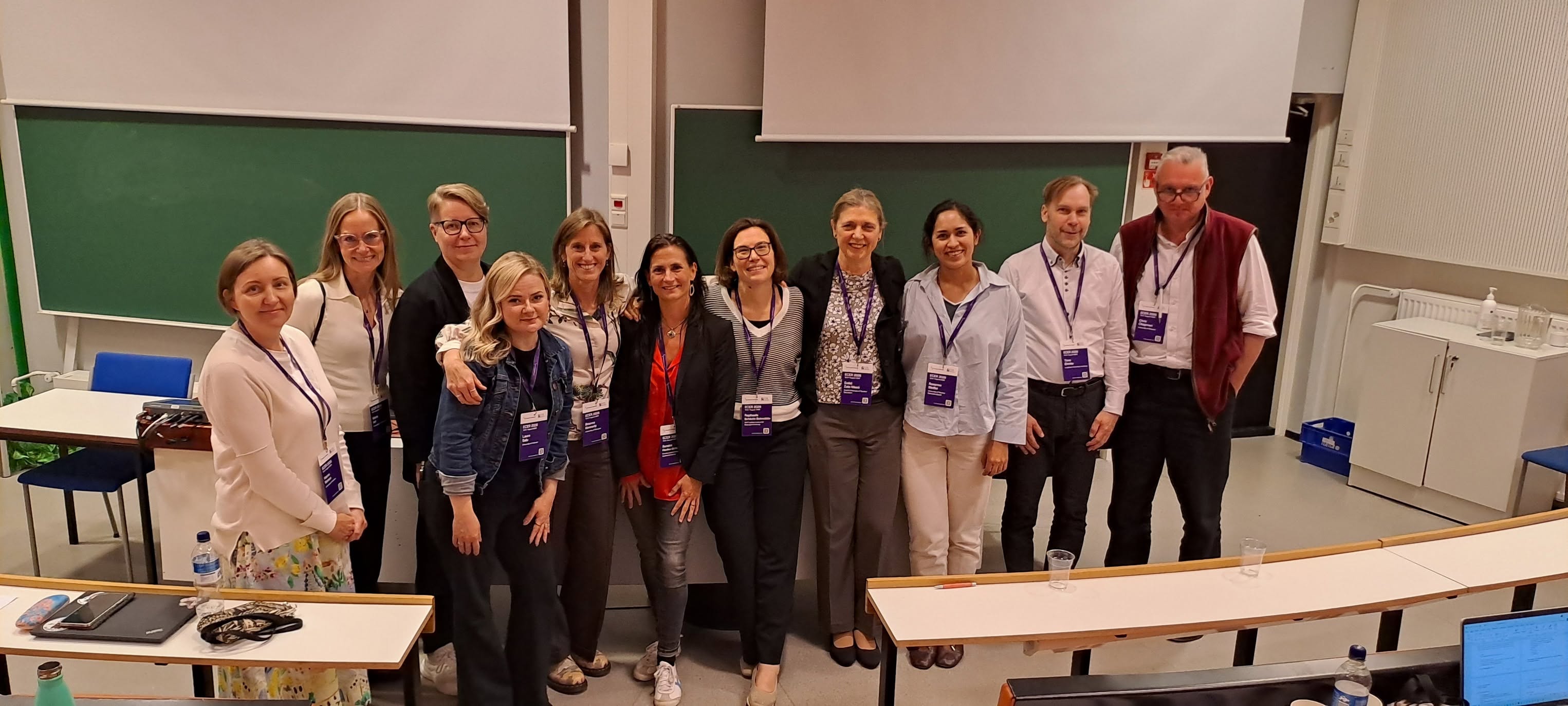
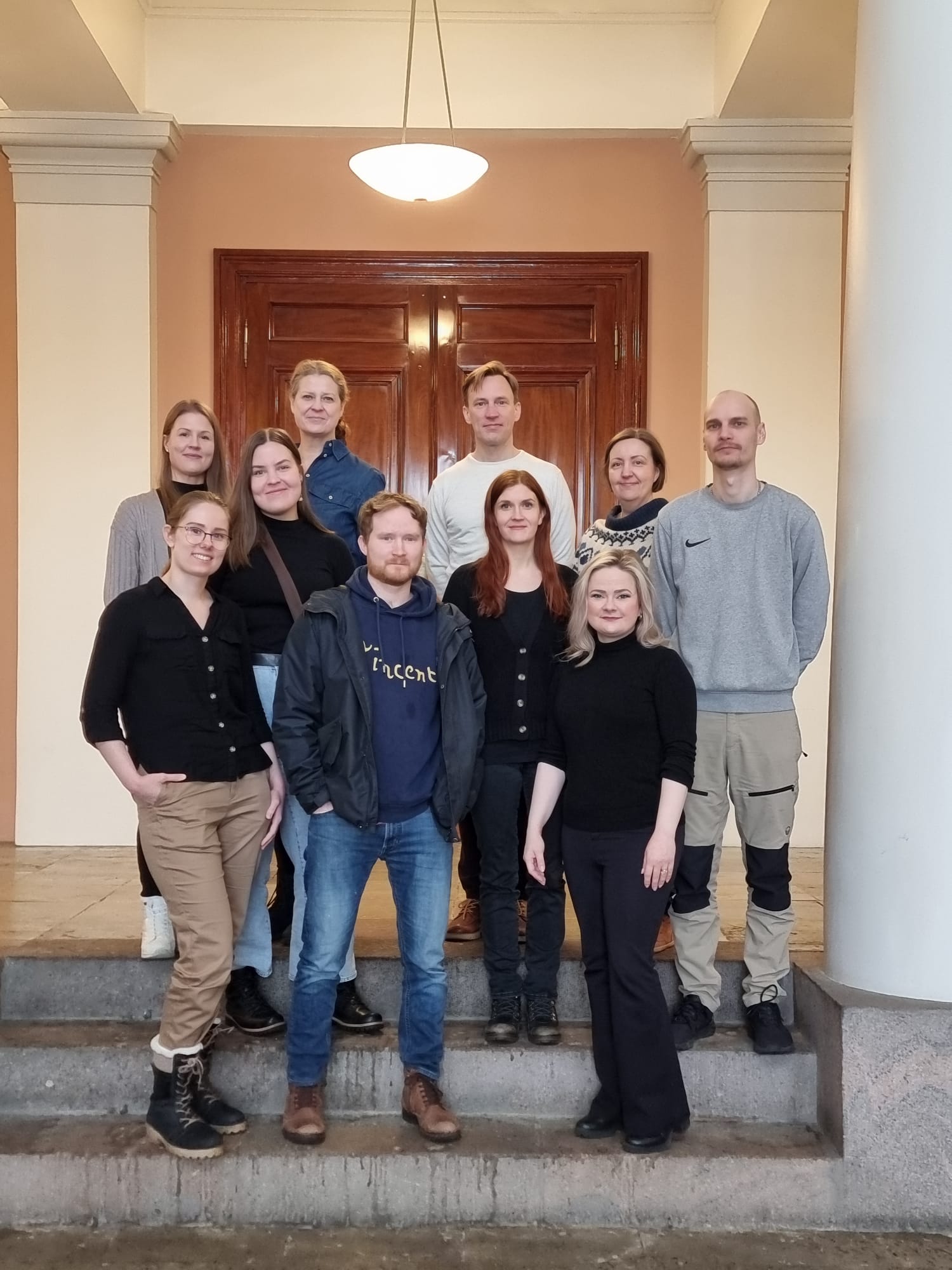
Members of Innokas Network research group.

During the retreat, we explored topics related to science popularization and publishing, the team’s on-going research and projects. Through collaborative discussions, we further elaborated our team’s research interests and expertise. We participated in playful science visualization tasks that helped us reimagine how research can be communicated in engaging ways. We also began shaping the next Campfire research-practice partnership event, where Innokas Network’s researchers and teachers come together to share concerns, discuss new ideas, and initiate potential practical research projects. The days were full, rewarding, and inspiring. Amidst the scheduled online meetings and distributed preparation of articles and projects, this retreat presented a rare moment away from our daily routines to meet face to face and harness this team’s potential to contribute to education by co-creating, planning ahead, and developing means to support both educational research and practices.

Research group during a coffee break enjoying the sunshine.

Although our schedule was packed with workshops and deep discussions (including a lovely mindfulness session led by Esa Pavloff-Pelkonen to kick things off), the retreat was ultimately defined by the people who contributed their duration, insights, and creativity to it. We extend our warmest thanks to everyone who participated, presented, and organized to co-create this shared lived experience. We would love to hear or read your thoughts – what have been your favorite or most inspiring team-building or co-development activities?

Joakim Laine & Johanna Airaksinen
Doctoral researchers from the Innokas Network research group

Exploring Nordic Education Trends at NERA 2026 in Aarhus, 4.–6.3.2026

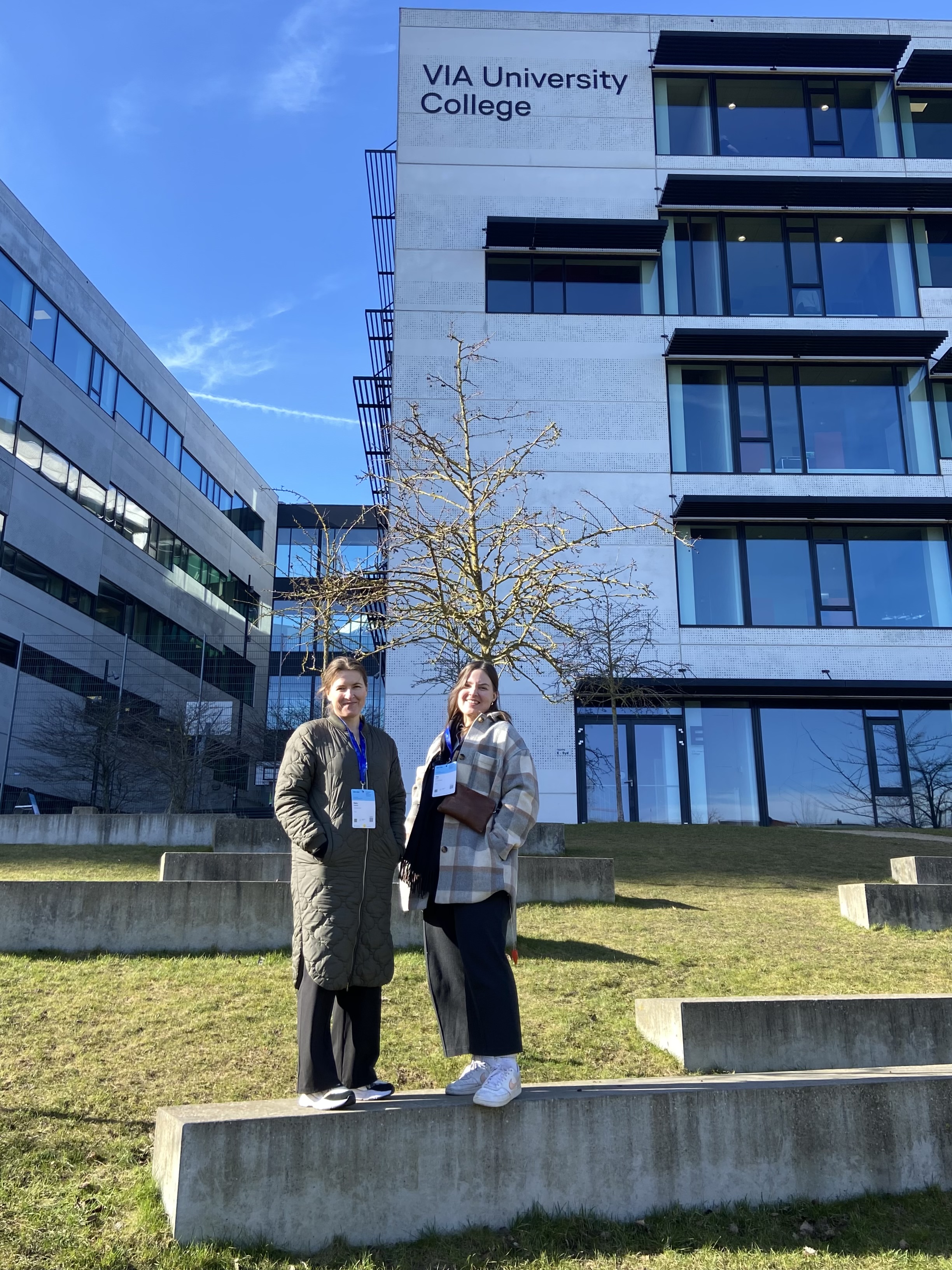
Mange hilsner fra solrige Aarhus, Danmark!

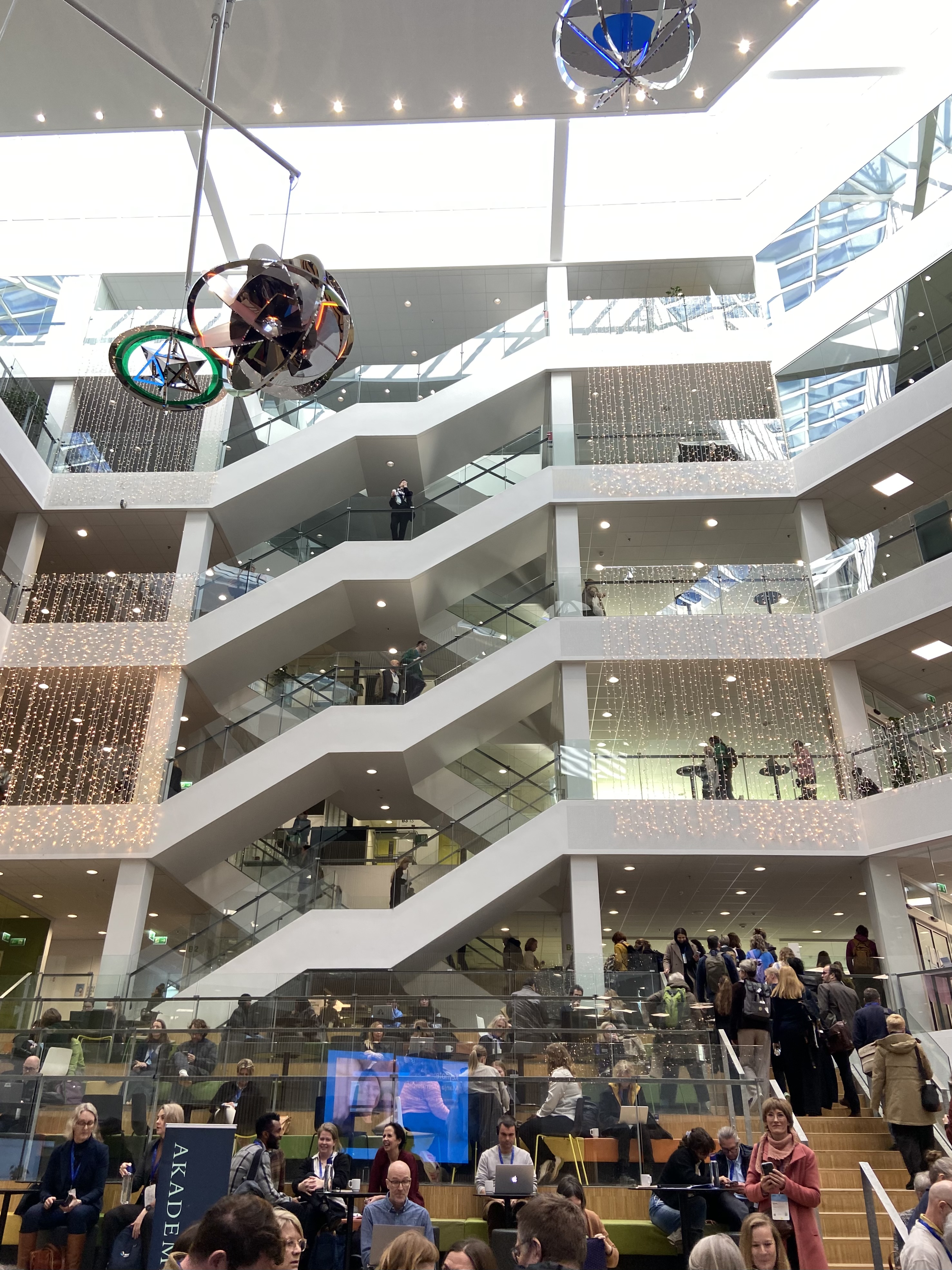
We had the opportunity to attend the Nordic Educational Research Association (NERA) Conference 2026 at VIA University College. The theme of this year’s conference was “Courage and Agency in Education for the Present,” which felt particularly timely, reflecting the uncertainty and rapid change that students, teachers, researchers, and education professionals are currently navigating.

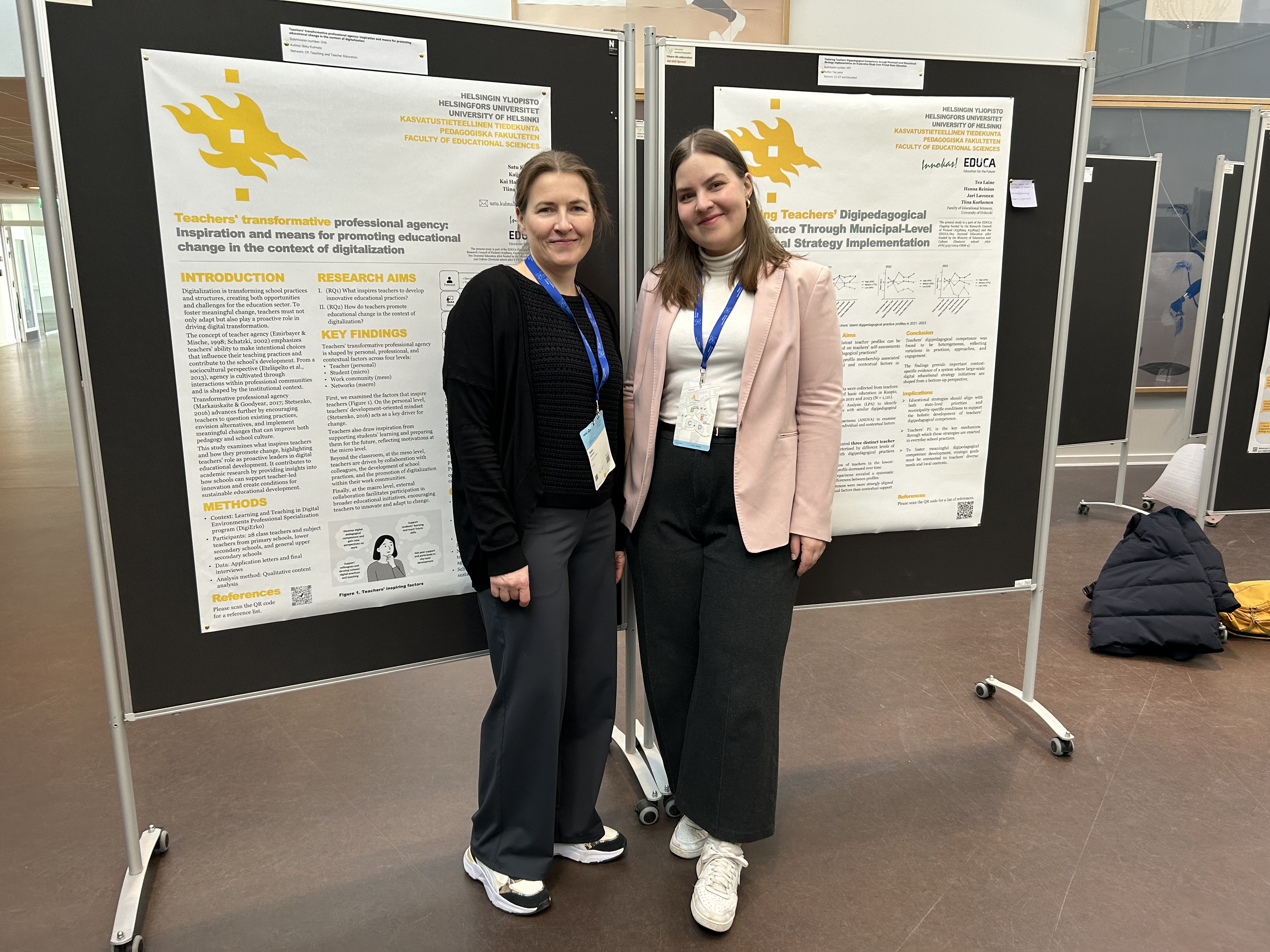
Over the three days, the program offered a rich mix of keynote talks, symposia, and presentation sessions. We also had the opportunity to present our own PhD research as posters. One of the most rewarding aspects of the conference was engaging with diverse perspectives on current educational issues within the Nordic countries. Common themes included, for example, the role of AI in teaching and learning, questions around appropriate screen time, and the use of smartphones in schools, particularly in relation to student well-being, learning outcomes, and classroom practices. Many discussions also opened up exciting possibilities for future research collaborations, providing us with valuable moments for reflection on our own research contexts and ideas.

Satu and Tea presenting their PhD research at the poster session.

The social program offered opportunities for networking, e.g., while admiring and contemplating modern art at the Aros Museum. Aarhus proved to be a pleasant conference city, where it was easy to wander around on foot or by bike. The sunny weather was a bonus, giving us a glimpse of the coming spring.

We would like to warmly thank the organizers for facilitating and hosting the event! 

Satu Kulmala & Tea Laine

Doctoral researchers from the Innokas Network research group 

Partnerships brought together

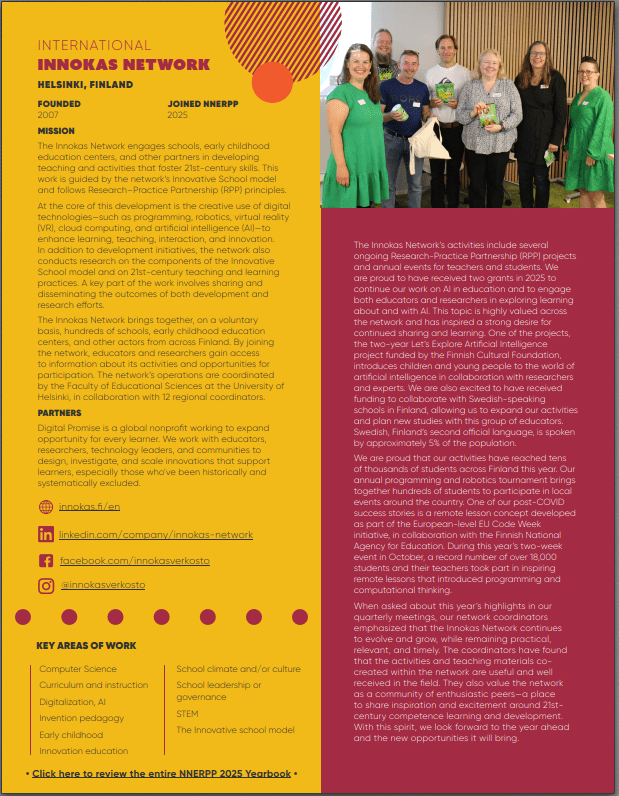
The National Network of Education Research-Practice Partnerships (NNERPP) brings together research-practice partnerships (RPP) in education to connect and share. Innokas Network is honored to be a part of this community. In the NNERPP Yearbook we reflect on the past year’s highlights and successes such as our new AI-themed projects and remote lessons.

Read more about our thoughts about this past year and get to know other RPP’s in the NNERPP Yearbook: https://tinyurl.com/NNERPPyearbook25.

Laura Salo/Innokas Network

Growing mind and understanding in FabLearn 2019 –conference at Columbia University, New York

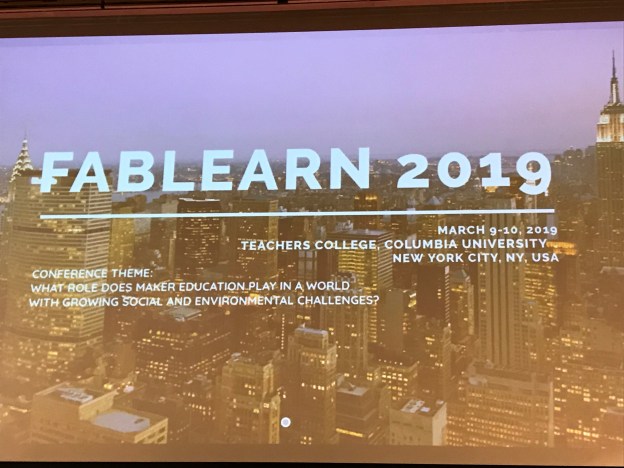
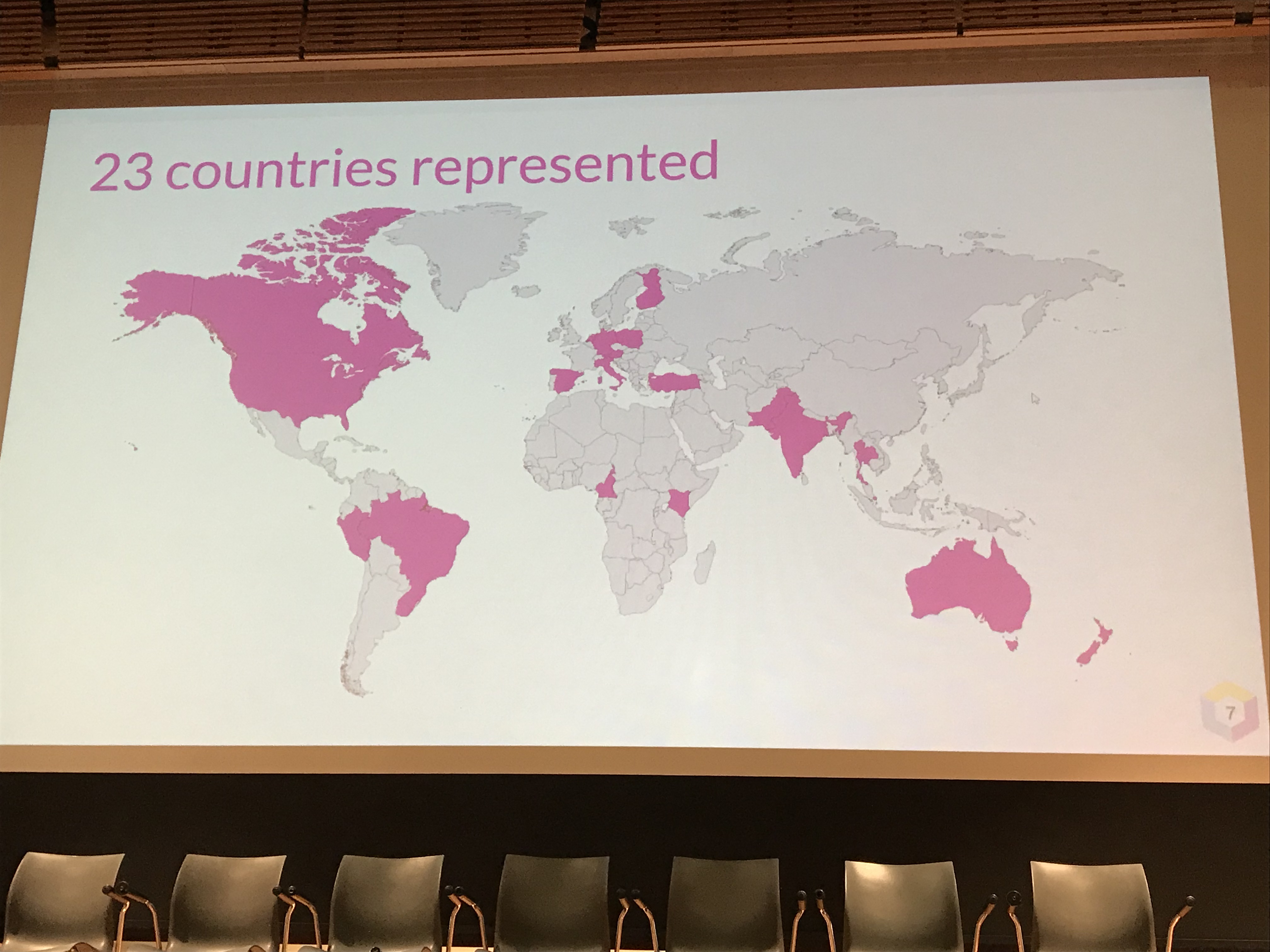
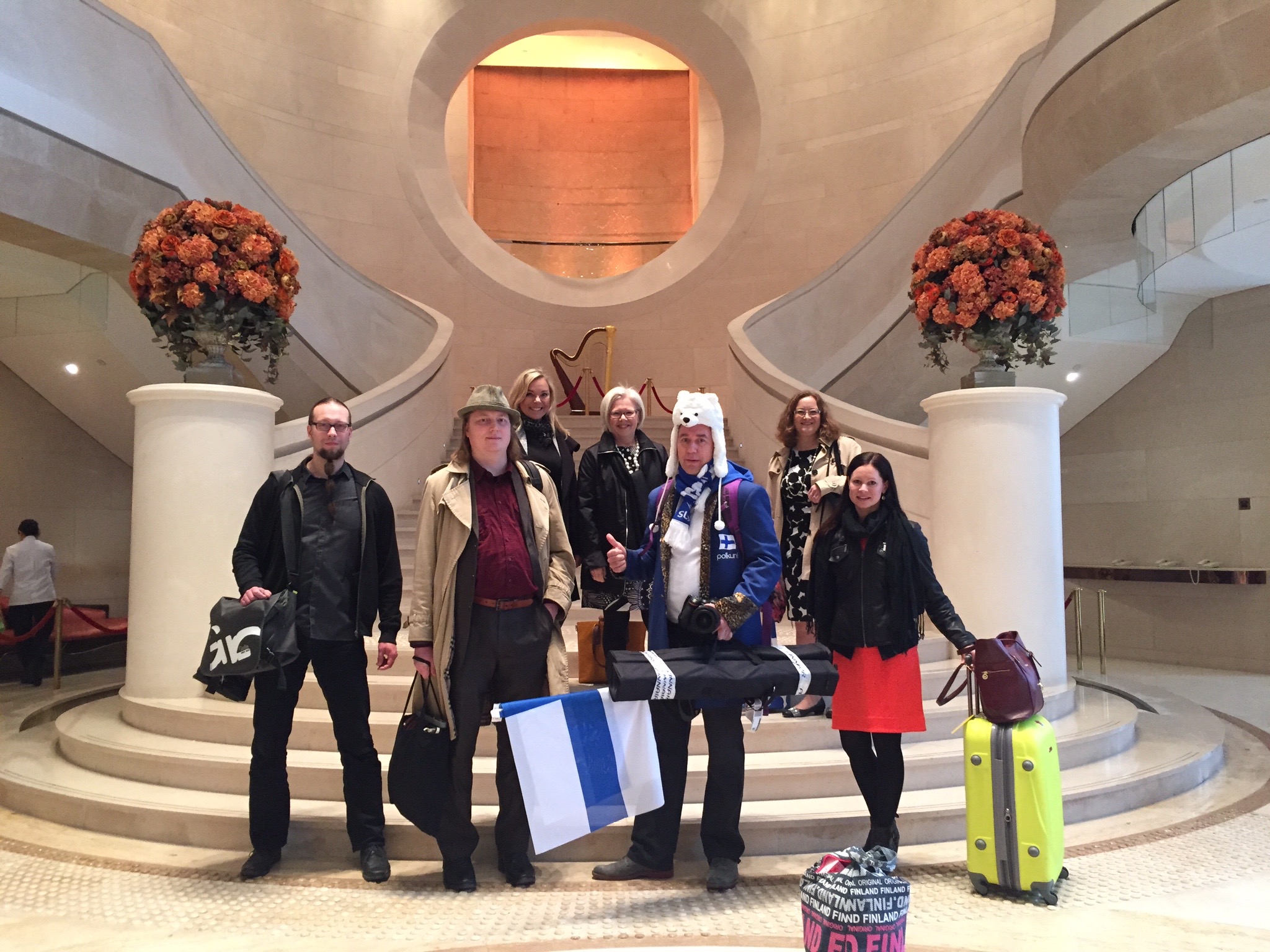
The 8th Annual FabLearn flagship conference on Maker Education took place at Columbia University, New York on 9th – 10th March. The conference theme What Role does Maker Education Play in a World with Growing Social and Environmental Challenges attracted over 400 educators, stakeholders and researchers from 23 different countries to participate in inspiring lectures, workshops and poster sessions. From Finland there were three Innokas Network presentations: one poster in Educator track (by Raini Sipilä, Kati Sormunen and Tiina Korhonen), one student poster (by Matias Ola, Sini Riikonen, Tiina Korhonen and Kati Sormunen) and one short paper (by Tiina Korhonen, Laura Salo and Kati Sormunen).

Columbia University is one of the oldest universities in US, established in 1754. It is also a former university of John Dewey whose idea of learning by doing doesn’t get old. During the conference the audience was challenged to ask themselves questions about ‘who is making?’ and ‘why making?’.

Keynote speaker Sylvia Martinez highlighted the word ‘making’ from different angles. Interesting part was her prediction on Future: biotech is the new digital – we will move forward from cyberphysical to cyberbiological future. Martinez also emphasized sharing as the best way to ensure understanding. She encouraged teachers to empower their students to understand their capability to control machines and therefore affect to their own future.

Amanda Cox, the second keynote speaker, came from The New York Times. Cox is a data editor and she is responsible for both written and visual content in NYT. Ms Cox spoke about scale, context, patterns and annotation levels and how these are shown in digital way. In digital newspaper settings are able to create interactively: the reader is able to affect how or what she/he sees and reads. Amanda Cox said, it is important to transform data into a form in which it is more understandable – for example data is put into familiar environment.

Panels on both Saturday and Sunday were more or less representatives’ presentations on their projects. All discussion topics were related with making somehow: Making in an age of social unrest, Making without destroying the planet: is it possible?, Making for film and theatre and Making around the world: Experiences and lessons learned. For me the most fruitful panel was the last one: educators from six different countries shared their experience on maker culture on their own country.

Significantly important notice is, that nobody works alone. Everything is made in collaboration with other people. Short and full papers were written together, young makers and educators had worked with teams to get their presentations to the conference. My visit with Innokas Network experts was amazing. My mind and understanding grew because of the conversations I had with all kinds of people. People who seemed to be as interested in making and designing as I am.

IMG_8553

Raini Sipilä