Category Archives: Schools

Schools involved.

The Hong Kong-visit to Espoo

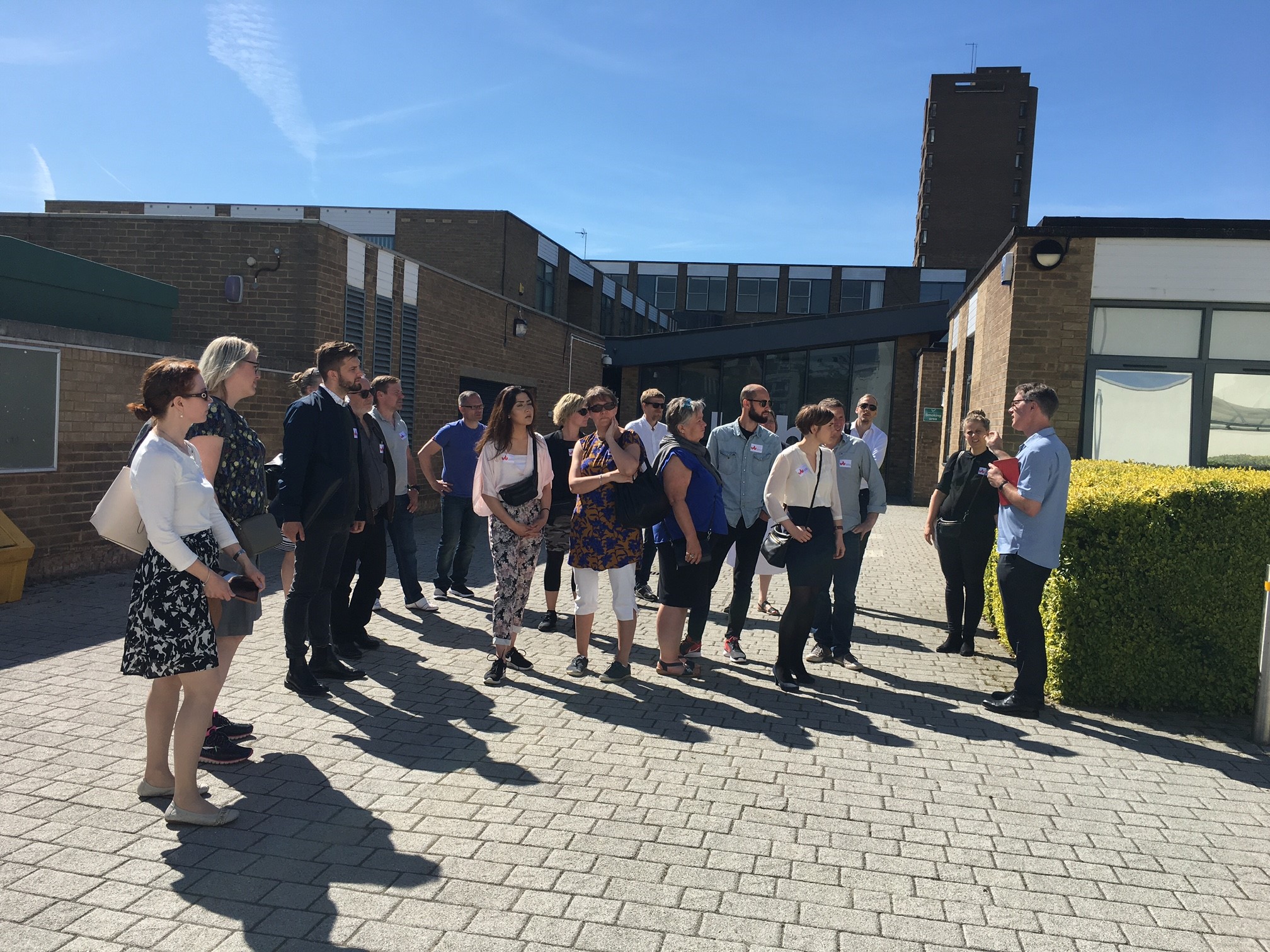
On Tuesday morning 13.2. At 9.00 they arrived to Jalavapuisto School, just like we’ve agreed: Connie, Maggie, Chun Yin, Jonas, Rene, Chau Ming, Josephine, Kit and Flora. Some of them were from our friend school Holm Glad 2. And some were Ediversity personnel.

That morning the whole Jalavapuisto School was gathered in the gym because of the assembly. Our 9 guests were welcomed to our school by the ’Japu-song’ (Japu=Jalavapuisto).

Then they were divided into 3 groups and 6K girls and boys took them to the guided tour around the school. Both the guests and the guides seemed to be pleased and their conversation went on after the tour ended.

From 10 til 14.15 it was time for the visitors to either keep or observe the lessons. They were now operating in two groups and visiting the classes 2K, 3K, 4K and 6K.

My on class 2K got a chance to learn to write Chinese letters in Calligraphy lesson. There were 5 teachers telling and leading the children to the ’secrets’ of Chinese way of writing. 2K end up writing the word ’Blessing’ on the beautiful red rice paper. The paper should be turned upside down and attach on the door at the time of Chinese New Year celebration, that’s what we were told. The second lesson we spent with the questions 2K had made for our guests. We all learned so much!

During that day I had to pinch myself few times: Can this really be happening?! Are they really here after almost 1,5 year co-operation? The email about their coming in early October…and now they are here!

Many, many emails, pictures, videos have been sent during this time. My class has been studying and learning about Hong Kong at the Science- and Arts lessons. And now all the studying really showed to be worth of something!

”Welcome to Hong Kong. Let’s not end this collaporation now”, were the last words from them for our principal and me before they left.

Mäkynen Hanna

Trust in Denmark

From the point of view of a Finnish teacher the trust that the Danish teachers had towards their young pupils was occasionally even a little disconcerting. We saw young pupils to play without any kind of supervision near a frozen pond in a forest, pupils were acting as traffic directors on heavily trafficked roads etc. But everything worked well. We started to wonder if we, teachers, are a bit too overprotecting in Finland.

While comparing the Finnish and Danish schools we didn´t notice any difference between the way teachers and principals work together in both countries. However, there are differences in the rewarding behaviors. In Denmark it was the principal who was rewarded for his school´s success, not the teachers directly. It was left for the principal to decide whether to reward the teachers for their good results or not.

The biggest single factor that stood out and seemed rather strange to us, who are used to the Finnish culture, were the annual and public quality reports in the Danish schools. These reports were quite explicit telling, for instance, how well their school performs in respect to the neighboring schools. To a Finn this kind of measuring carried out by the state doesn´t seem to inspire and build the trust in the teachers.

Kuva3

By the end of the week we noticed how important it is to get to know the educational culture of other countries, especially on the ground level. The things that we found disconcerting at the beginning of the week started to make sense and seem like functioning solutions. This familiarizing oneself with a different educational culture is a very significant and important aspect in this kind of projects.

After our trip all we can say is that Denmark is a very good place for children to live and grow up!

Aki & Petteri, Veikkola School, Kirkkonummi

Visiting schools in Copenhagen – 3T-project – Time

Visiting the schools in Copenhagen showed us that the schools have time for meeting pupils and parents. We thought it was great that the headmaster in one school spent time at the front door of the school in the morning just to say “good morning” to the pupils, parents and teachers. We saw that giving time also increased trust. The good relationship between pupils and teachers increase efficiency in the classrooms. Once a month, they serve morning coffee for the parents. So it makes it easier to discuss things when they know each other better.

In Denmark, children’s school days are long. For example, the pupils in the first grade have 30 hours of school per week. The school days are planned so that there is also time for clubs in the afternoon. The pupils also have few breaks during the school day, just a lunch and two short breaks. A part of the time they are not supervised by the adults.

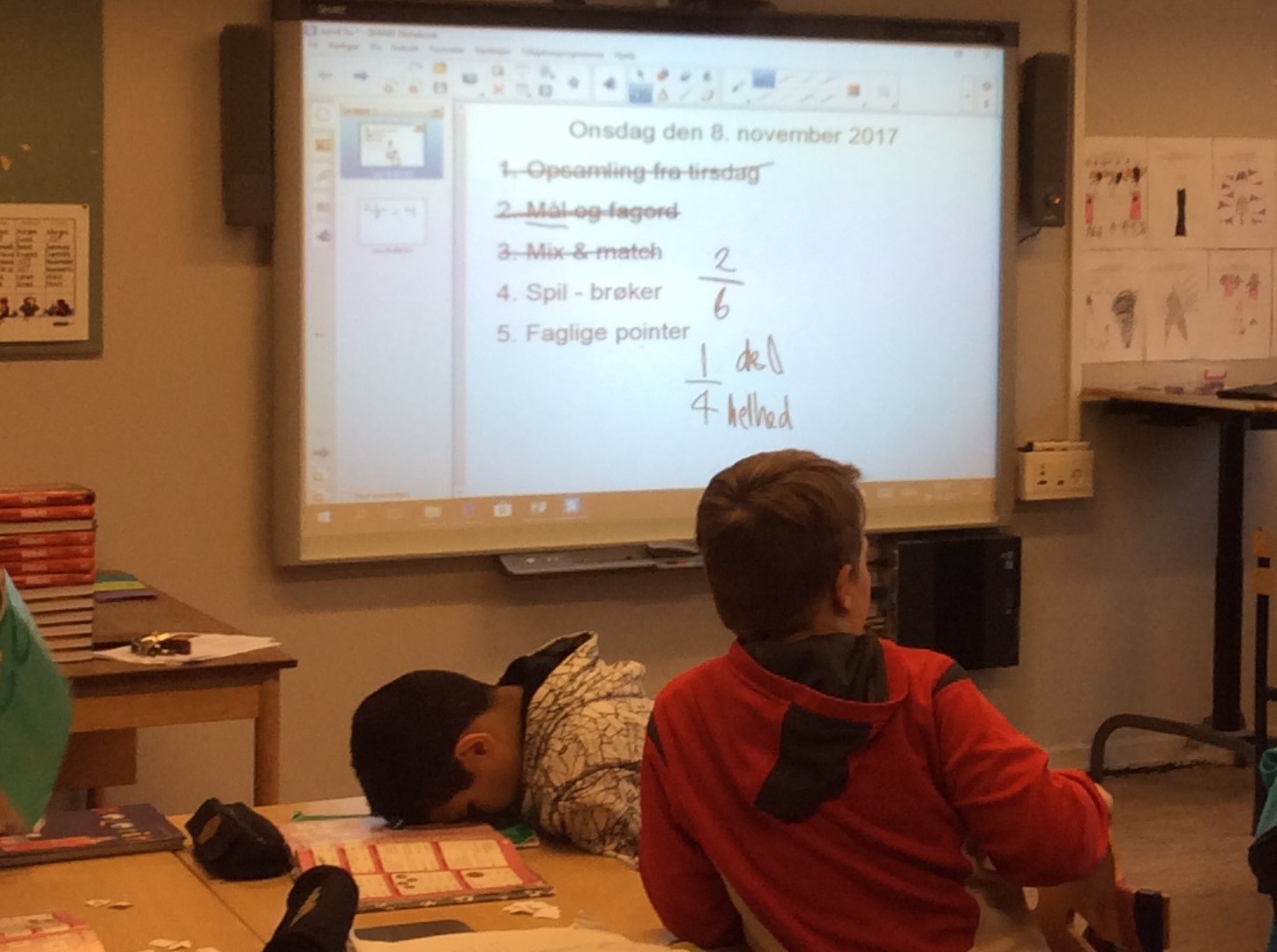
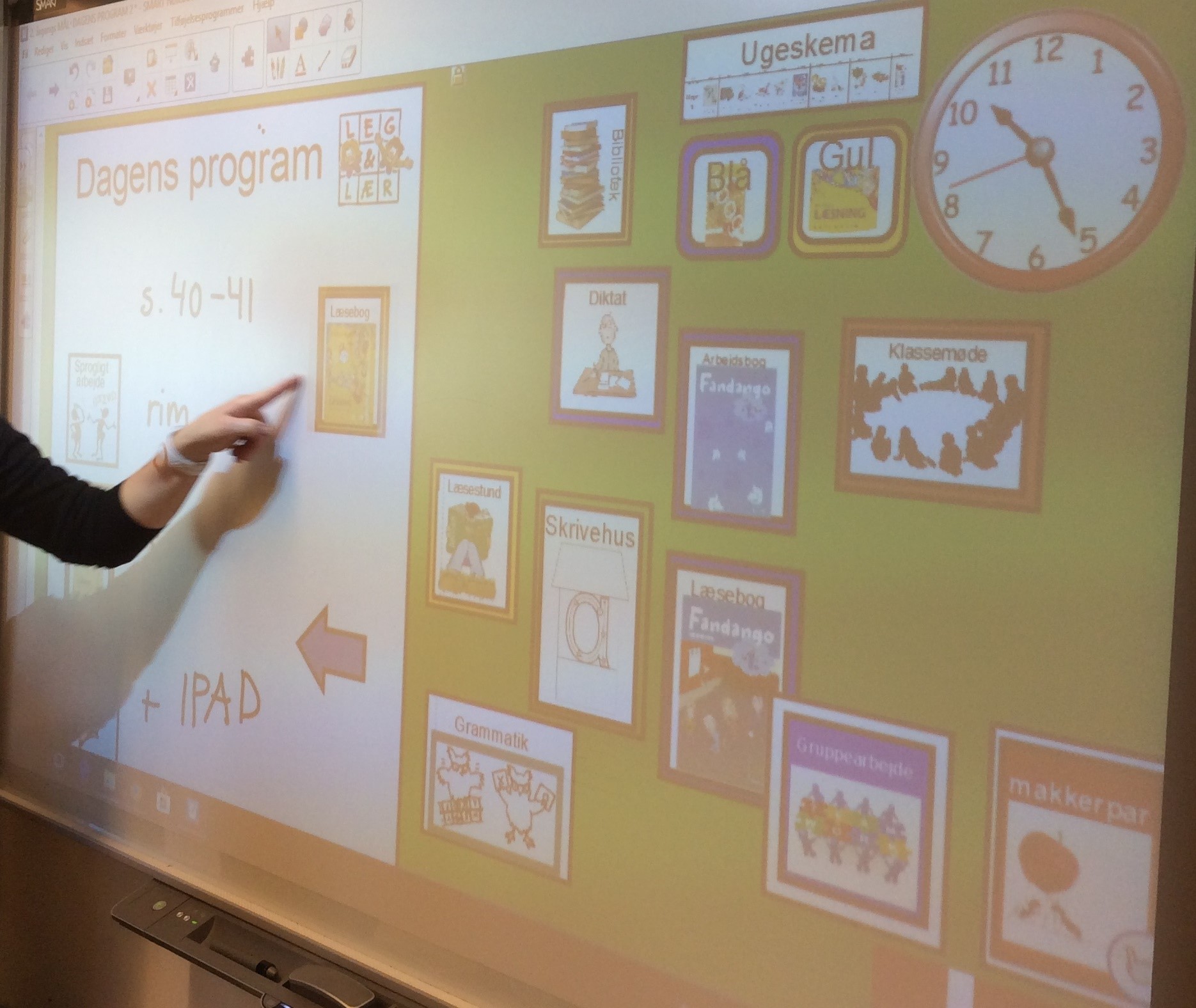
We also observed the time used during the lessons. We saw different kinds of ways to divide time. It was very usual that timetables and the timeline of the lesson were visible to pupils. They also had info screens where the programme of the day and that of the week were visible to the teachers as well. In classrooms, there’s time for both work and play, a bit of physical exercise. In Denmark, they have a law that every pupil should do at least 45 minutes of physical exercise during the school day. We saw teachers stop teaching and ask pupils to dance or lift up their chairs to train the muscles. The exercise didn’t seem to have any connection to the thing they were learning, it was just random exercise.
Time for a break?

Time for a break?

In addition, pupils are given time to plan their work. We think that time for using imagination may lead to creativity (Danish design !). In Denmark, they prefer using computers and mobile devices. So, they spend much more time learning to write on computers. The pupils do not write with pen after third grade. Some pupils told us that they are not good at handwriting.
2 kuva.jpg

Teachers and time

The other side of the equation, as to time, are the teachers and other staff at schools. The visits to the Danish schools in Copenhagen left us admiring the efficiency of the teachers as well as the delegated leadership in the organisations that we saw. Nevertheless, the question arose whether there is an excessive amount of work for teachers to carry out within their working hours.

During the visit, we saw many examples of practices that made teachers’ working hours more efficient. For instance, some of the schools had a system of collaborative teams that could divide their tasks among the members. One teacher could, for example, be in charge of the Danish lessons of certain classes and, another teacher, of the maths lessons. There was time allocated in the weekly timetables for these teams to plan their work and to discuss any topics related to their pupils.

Another example of efficiency was the online platform used by teachers in Copenhagen to evaluate pupils’ work, to mark pupil attendance and to do their yearly planning. If a pupil is absent, their teacher can mark the absence online and a message is sent automatically to the parent’s phone. Consequently, teachers can spend more time on teaching the pupils that are present in the lessons and on other tasks during the working day.

Efficiency was not, however, the only positive aspect of time that we witnessed in the three schools we visited. Time was also spent doing things that the different schools considered to be important. For example, the staff of all of the schools seemed to value time that was spent talking about pupils. The staff were also rewarded with time if they did any extra tasks or performed well at work. For instance, they had fewer lessons to teach or could take a couple of days off. In addition, in many cases, teachers themselves had the possibility of deciding how to spend their time at work.

Even though many positive aspects were visible in the schools as to teachers and time, one of the biggest questions that remained was related to the amount of work. It seems that, since the Danish school reform was implemented in 2014, Danish teachers struggle with finding enough time to plan their lessons and to perform as well as they would wish for. Their time at work is often spent in meetings and handling paperwork, in addition to teaching of course. This is a problem that many Finnish teachers also face but it may be even more crucial in Denmark where the schooldays of children were made longer by the reform. How this will affect learning in the future, only time will tell.

– Minttu and Heli, Hankasalmi Asema School

3T’s in Finnish education – observations from British and Danish teachers

In September teachers from United Kingdom and Denmark visited Finland as a part of an Erasmus project. As in Bedford earlier in July, the groups observed time, talent and technology in three Finnish schools: SYK, Jalavapuisto School and Veikkola School. In addition we introduced to them Innokas Network, in-service teacher training, early childhood education in Finland, and Finnish educational context in the University of Helsinki. Here is a brief summary on their notions of the 3T’s.

Time

Teachers from both Denmark and UK felt that there is a lot of time to learn in Finnish schools. Pupils are not rushed and they are encouraged to be themselves. As we Finns know our schooldays are shorter and pupils have plenty of breaks during the school day. Especially British teachers felt that time could have been used more actively and effectively.

Talent

Groups saw three kinds of talents in Finnish schools.

  1. The amount of creative subjects in the curriculum arouse interest as well as programming and transversal competences. Especially teachers from UK saw a difference between assessment in Finland and in UK. In Finland the assessment system acknowledges teacher expertise. It is realistic and based on student learning and it is linked to the integrity of the profession.
  2. Teachers are highly educated and trusted to be experts in their field. Teachers’ professional development is well-planned and in-service training is well organized.
  3. Students seem to be calm, independent, engaged, resourceful and proud. Students can apply to bi-lingual classes or classes with other special focus areas such as music and science. During these short school visits the groups didn’t witness examples of differentiation or teacher-student communication of what the students have learned during the lesson.

Technology

Groups thought that the visited Finnish schools seemed to be well resourced. Compared to UK and Denmark, we have a boarder view of technology in our curriculum and in classroom practices. For example students were programming and using robots in two schools. The groups would have liked to see more of learning platforms, programs that support students with learning difficulties and more interactive use of interactive white boards. Also the examples of tech use in higher grades eg. in social sciences were minor. However the students’ freedom to use smartphones in breaks caused discussion.

Trust

During the Helsinki visit it became clear that each countries society makes the school what it is. In Finland it is seen as TRUST in many levels. There is respect for one another and the equipment. The trust runs through the system:

  • From teachers to students
  • From parents to teachers
  • From heads to teachers
  • From municipality to each school
  • From government

Danish teachers thought that we have a school where both parent and pupils believe in one’s authority. A good example of that is the fact that teachers are also highly respected in society. However they saw also a risk of being very dependent upon the individual teacher.

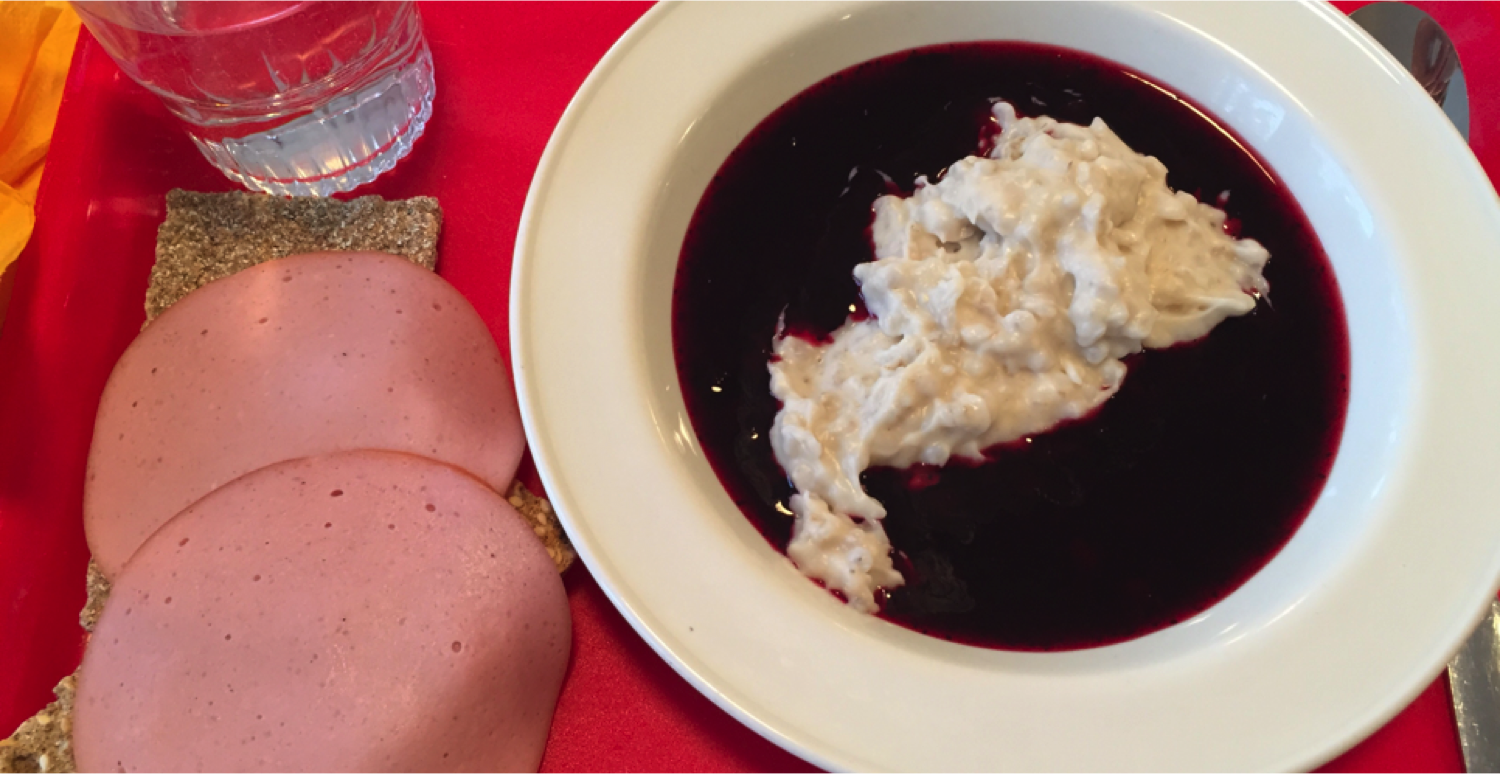
Trying to look at your society and school system from other country’s perspective is always fruitful. There are always customs and practices that are very deep in the Finnish culture such as the school lunch. Fortunately we had porridge day when we visited Veikkola School, because otherwise we would have missed a great debate of nutrition in different countries!

puuro.png

– Kati, Innokas Coordinator

Erasmus 2017 – Bedford

The main purpose of the 3T project is to compare and thus reflect the three different school systems of the participating countries. The schools involved in this project are from Finland, Denmark and the UK. In addition there is also a consulting firm from Denmark taking part in this project and their main focus is to get useful tips for building Danish schools as well as for their interior design.

The first step of the project was taken at the beginning of June in 2017 in Bedford, England.

Before the trip each participating Finnish school was given a task which was to be returned to the coordinator of the hosting country by email.

The programme in Bedford was divided on four days and the participants were equally divided into four groups so that each group had members from each participating country. The groups spent their first day in the school of their English member. During the day we had an opportunity to get to know the everyday life of a typical English school. Our hosting schools were Castle Newnham, Livinstone School, Westfield School and Biddenham School.

The second day was reserved for visiting various schools. Each group visited four different schools so the total number of school visits was 16. Each of these schools differed greatly from the others and they included preschools, primary and secondary schools as well as some private schools. Each group made observations during their visits.

During the third day we were given an opportunity to visit the University of Bedfordshire. On the campus we had a guided tour and visited e.g. their Faculty of Education and School of Teacher Education. The rest of the day was spent in making preparations for the last day. These preparations were made among the visitors of the same country and not as was originally planned.

As I mentioned before the purpose of the trip was to observe the English school system. The fourth day we spent in a meeting where one Finnish group and four Danish groups shared their observations from two previous days. This feedback with all its pros and cons was very informative and diverse.

Petteri and Aki, Veikkola School

Exploring school system in England on Erasmus+ 3T’s – project

On our Erasmus+ -trip to Bedford we had a wonderful opportunity to see out nearly the whole education system in England. We had time to follow lessons in different kinds of schools; we had conversations with students, teachers, principals and University staff.

Through Finnish perspective, English school system seems very complicated compared to ours. Instead of comprehensive school, there are systems in a system. Roughly, there are either independent or public schools but within this division, there still are many systems: nursery schools, preschools, maintained schools, academies, independent schools, special schools and pupil referral units. Independent schools cost a lot of money; public schools are free of charge.

A new system will take place in becoming September. Then so-called foundation stage will contain nursery and preschool (3-5 years). Primary school will be divided in two key stages: key stage 1 and 2 (5-7 years, 7-11 years). Secondary school will include stages 3, 4 and 5 (11-14 years, 14-16 years, 16-18 years).

Nursery school starts at age of three. All 3 and 4 year-olds are entitled to 15 hours of free childcare a week. The rest of daily care is charged. Free 15-hour childcare is also extended to the most disadvantaged 2 year-olds. In England, it is believed that education from early ages brings good achievements. Daily activities are more or less based on subjects like math, science and English. Same subjects are seen important throughout the whole school path.  During school days, children practice reading, writing, counting, measuring etc. We even saw four-year-old children writing sentences on their small whiteboards.

Studying and teaching at primary and secondary schools seems to be very hard and demanding for both students and teachers. Studying under pressure because of test results affects teaching and learning in various ways. SATS (Standard Assessment Tests) tests are taken at the end of year 2, year 6 and year 9. They are used to show child’s progress compared to other children born on the same month. In UK testing is a part of normal routine. School days in England are long, families either pay for their children’s school lunch or give them packed lunch and the amount of homework is huge.

One of the most awakening moments was a 15-year-old girl’s speech on her English lesson. The topic was quite provoking: Why school sucks? This youngster was worried about (endless) testing and what that kind of testing will do to young and growing children. It is a good question for every teacher!

We got so many new experiences during this school tour in England that we could never imagine. It is a true privilege to be a part of this 3T -project team!

Heli, Asema School and Raini, SYK
Exploring the 3 T’s in Erasmus project

Three Finnish schools from Innokas network had a change to take part in an Erasmus project with England and Denmark. The theme for this two year project is Time, Talent and Technology; the 3 T’s. The schools, which decided to apply, were SYK from Helsinki, Veikkola school from Kirkkonummi and Asema school from Hankasalmi.

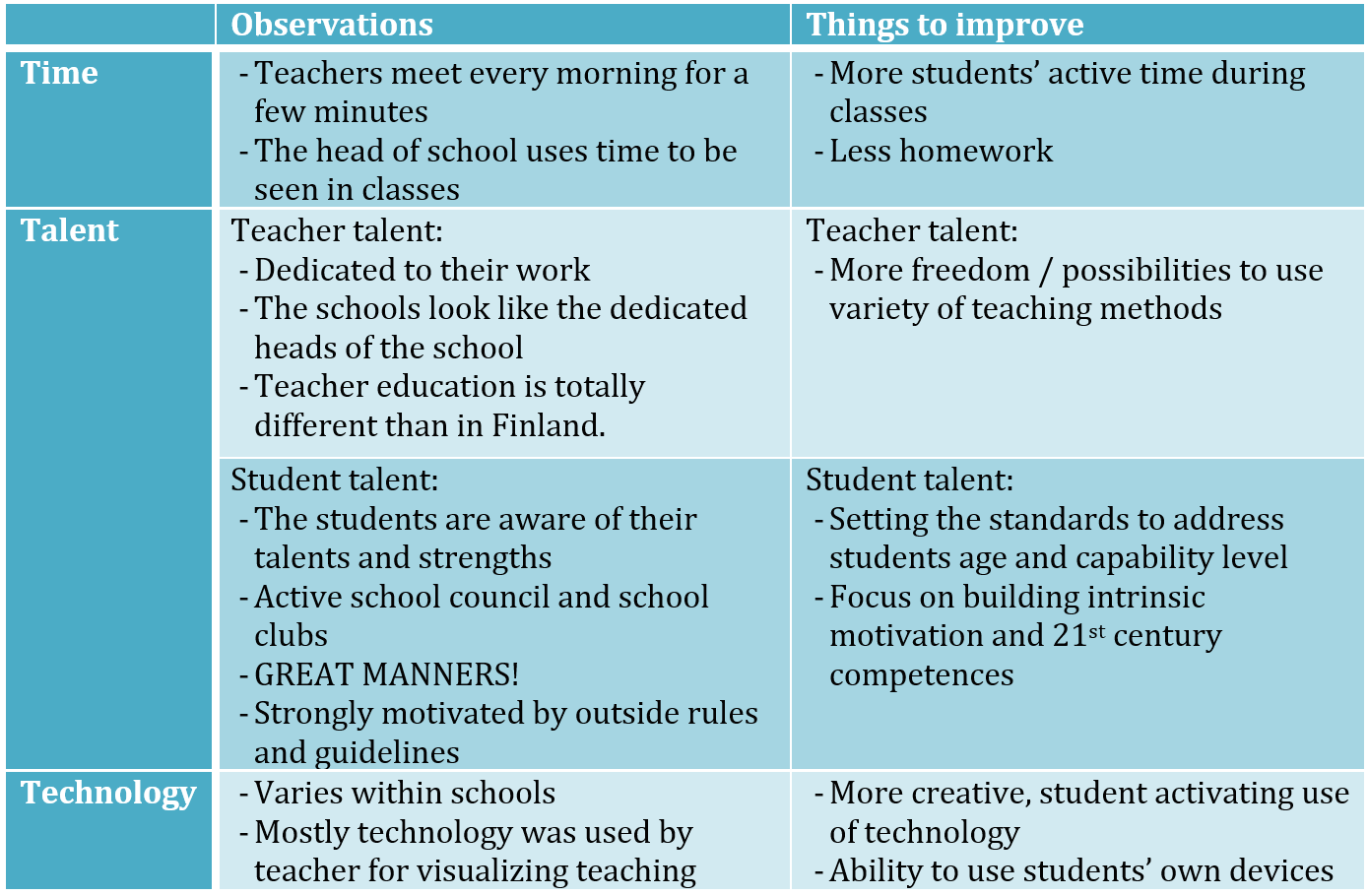
During the first year of the project the aim is to observe the 3T’s in each country by visiting them and their schools. In June 2017 the Danish and the Finnish representatives visited Bedford in England for 4 days and during those days had a great opportunity of visiting altogether over 20 schools. Here are some of the observations the Finnish team made. The schools in the Bedford area were very interested to hear about these observations and use them to develop their schools in these areas.

taulukkoKuva yliopistolta

– Anu and Kati from Innokas

Jaana’s and Alice’s GEC project in Beijing


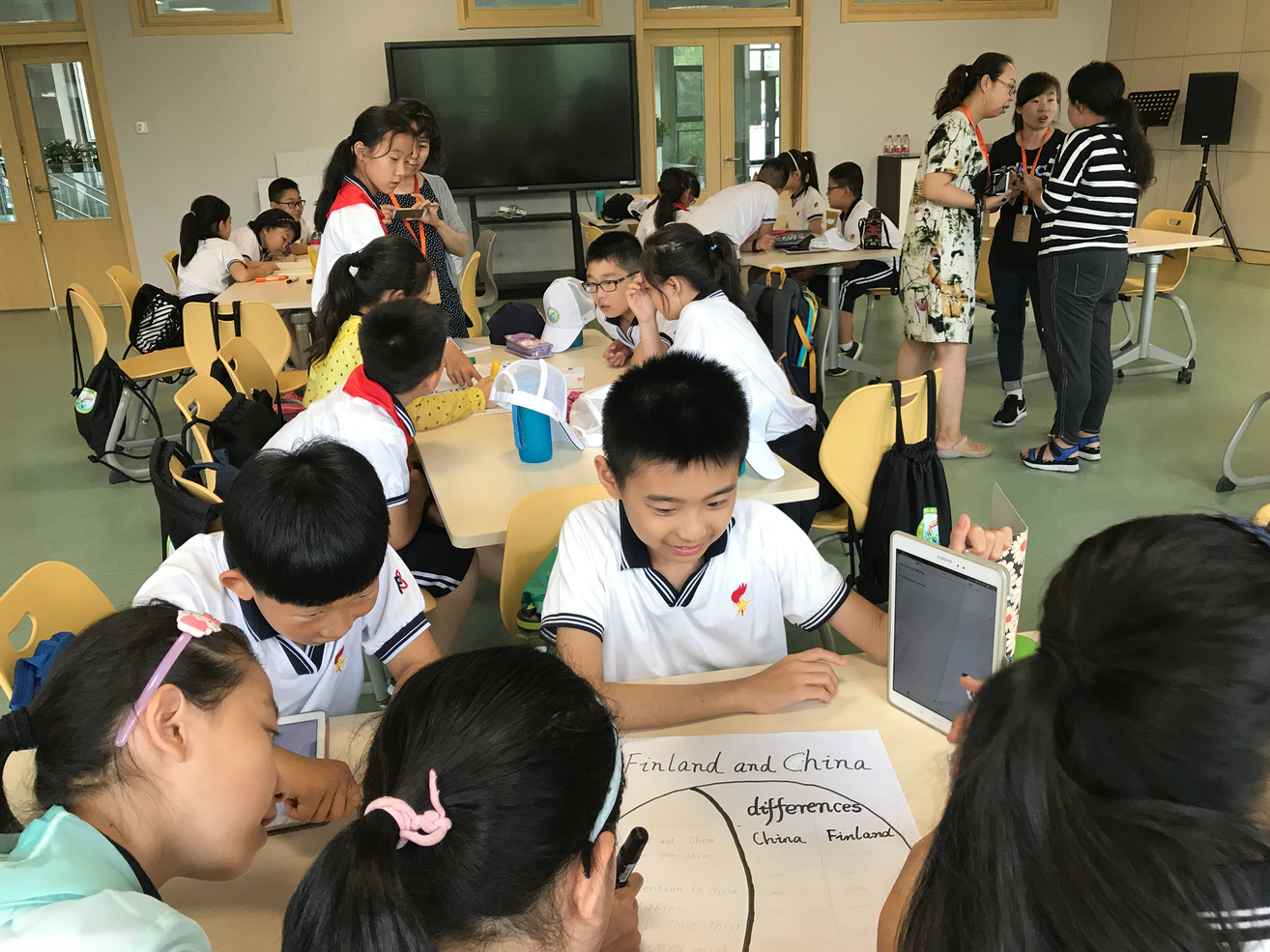
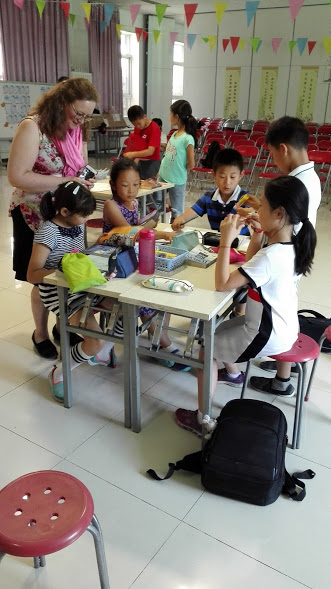
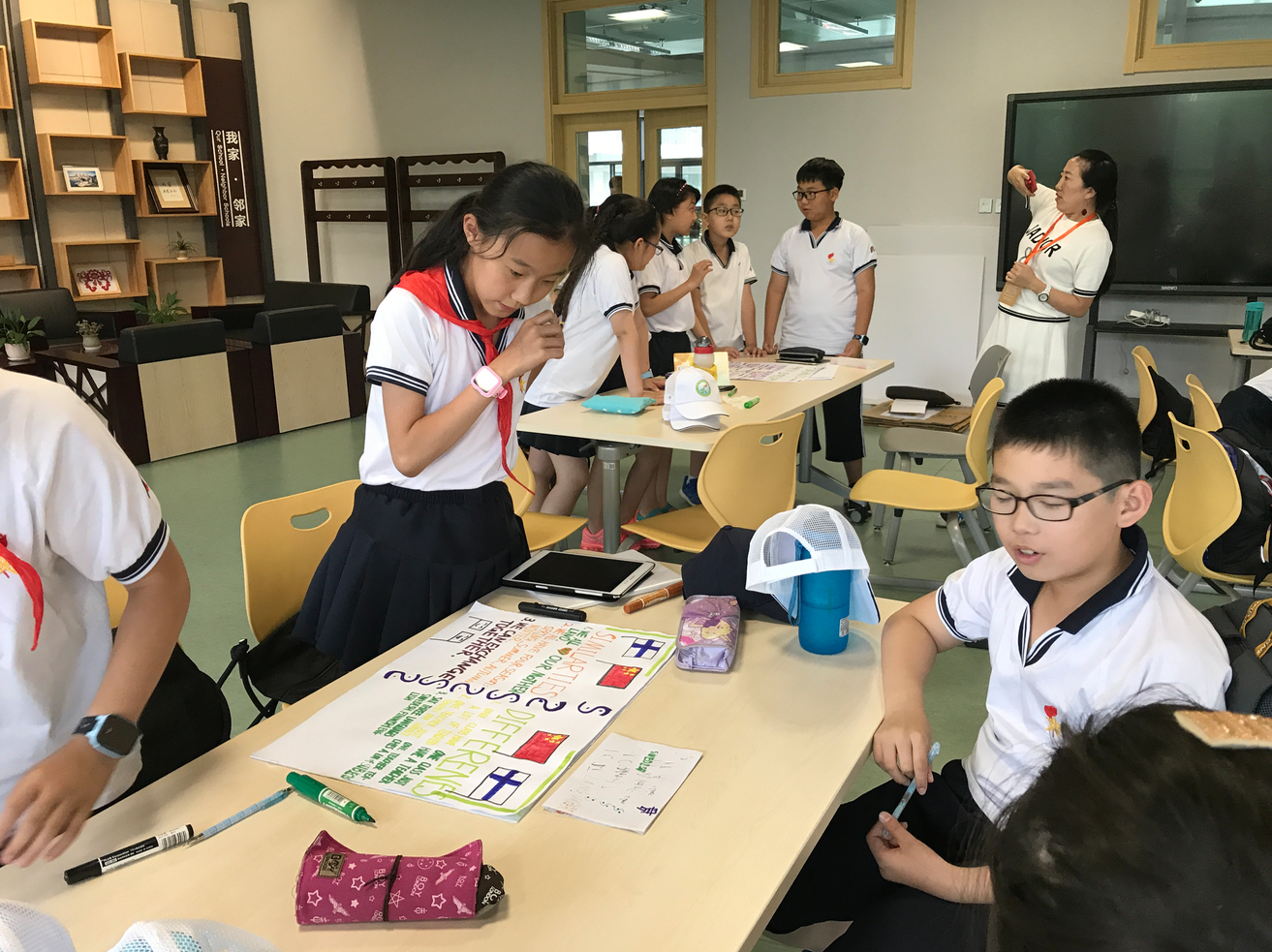
Our collaboration with students started with the games and the presentation about Finland. After these students made posters about the similarities and differences between China and Finland. The most popular similarities were four seasons, but the most popular difference was the lenght of summer time. About the school students were very eager to know that there is a free hot lunch in Finland, but in China they had to pay for their lunch. One of the biggest difference was the free-time that Finnish students have a lot and Chinese students only sometimes.

On the second time we met the students we played the Finnish game called “Juoru” (gossip in English). During that game students had to whisper to the next one what they did hear from the previous student. The main point of that game was to demonstrate how the sentence changed when it was told by many persons. The same thing happens with the gossips – they are not the same after many persons.

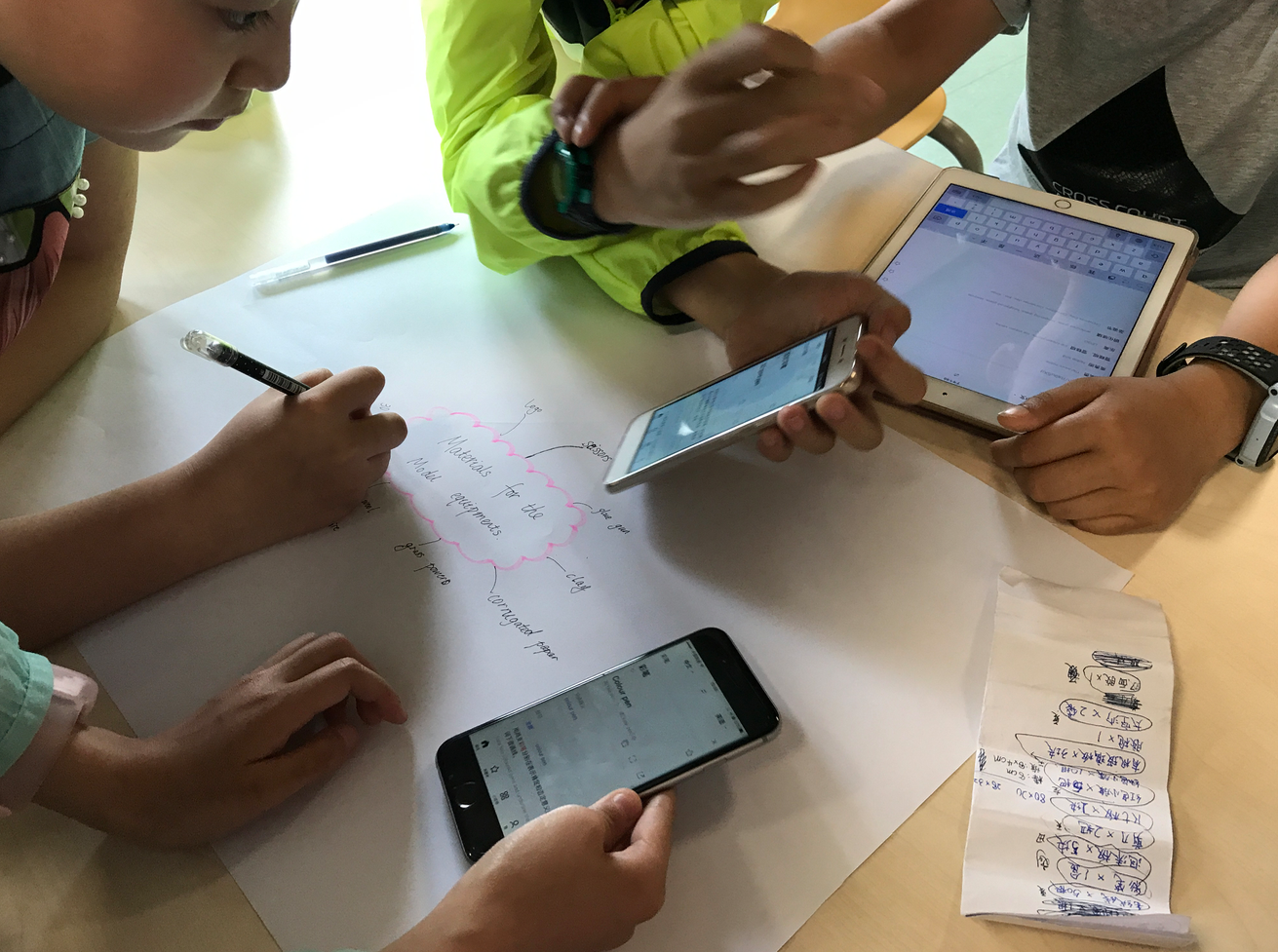
After playing students started to think about the basic knowledge of our playground equipment theme. In that case we used the method called “Learning cafe”. During that the groups of students moved from the table to another one and thought about the themes one by one. The themes were materials for the real equipment, materials for the model equipment, structures of the equipments, adjectives of the equipments of students’ dreams and places where to place designed equipments. During working students were allowed to use dictionaries and Internet to find translations and information. When every group had go through all themes, groups presented the ideas what was written down on the mind maps and we had a discussion about all themes.

Students designed their playground equipment by using the planning paper. They drew a picture of the equipment and wrote down the main details of it, f. ex. the height, width, the size of the model, materials for the real one and for the model and also they thought where to place their equipment in their own school yard.

When the plannings where finalized, students gave feedback to other groups. For the second time we used the method called learning cafe. After getting the feedback, students improved their plans.

After planning it was time to build the miniature of their own school. During our demo lesson students continued their work and build the playground equipments that they planned before.

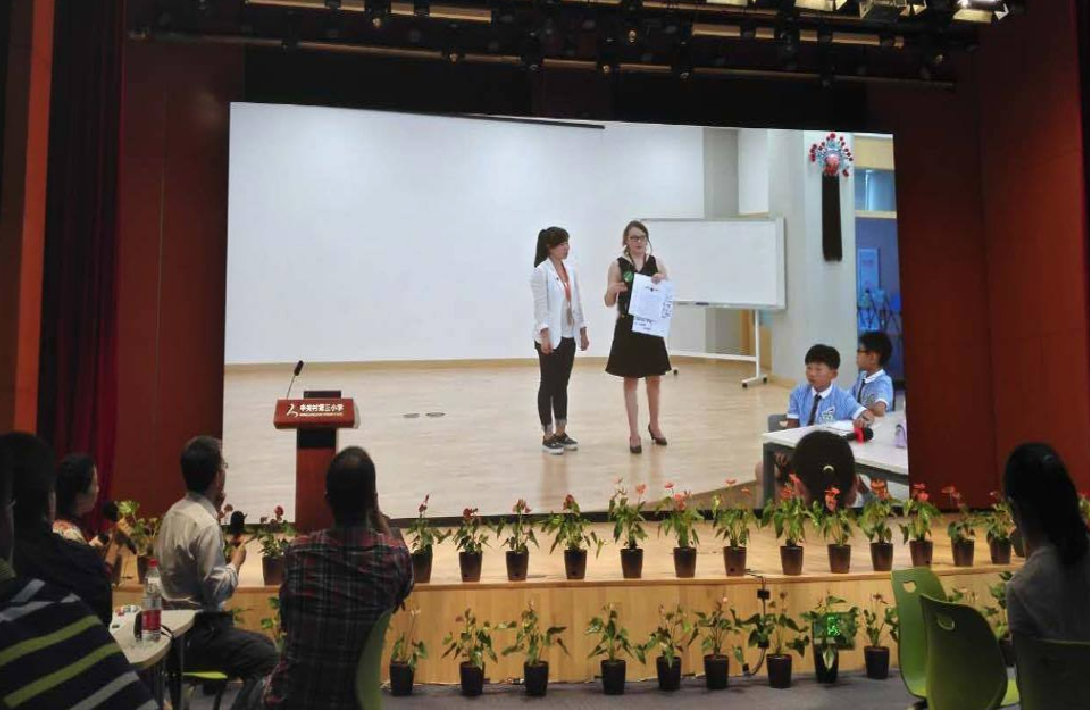
The conference participants followed the stream of our lesson in the Hall of Achievement. During our lesson there was also a interpreter who translated our lesson into Chinese. After the demo lesson we teacher went to the stage, presented our project and answered all questions asked by the audience.

We also presented them a video that tells what we had done during the Spring in Finland and in Taiyuan.

-Jaana from Metsokangas Comprehensive School, Oulu-

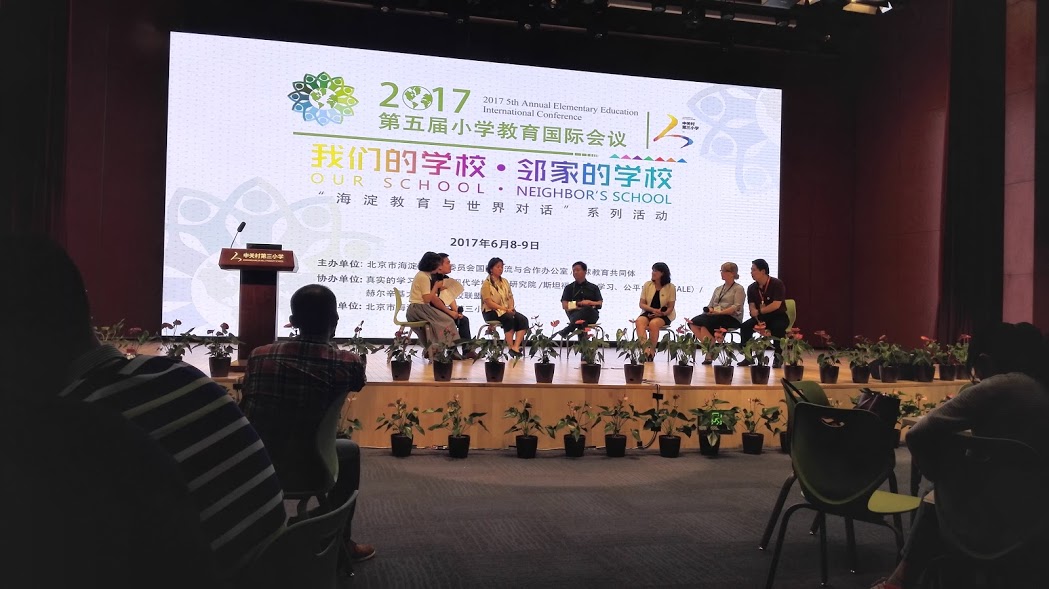
2017 The 5th Annual Elementary Education International Conference – Our School-Neighbor’s School
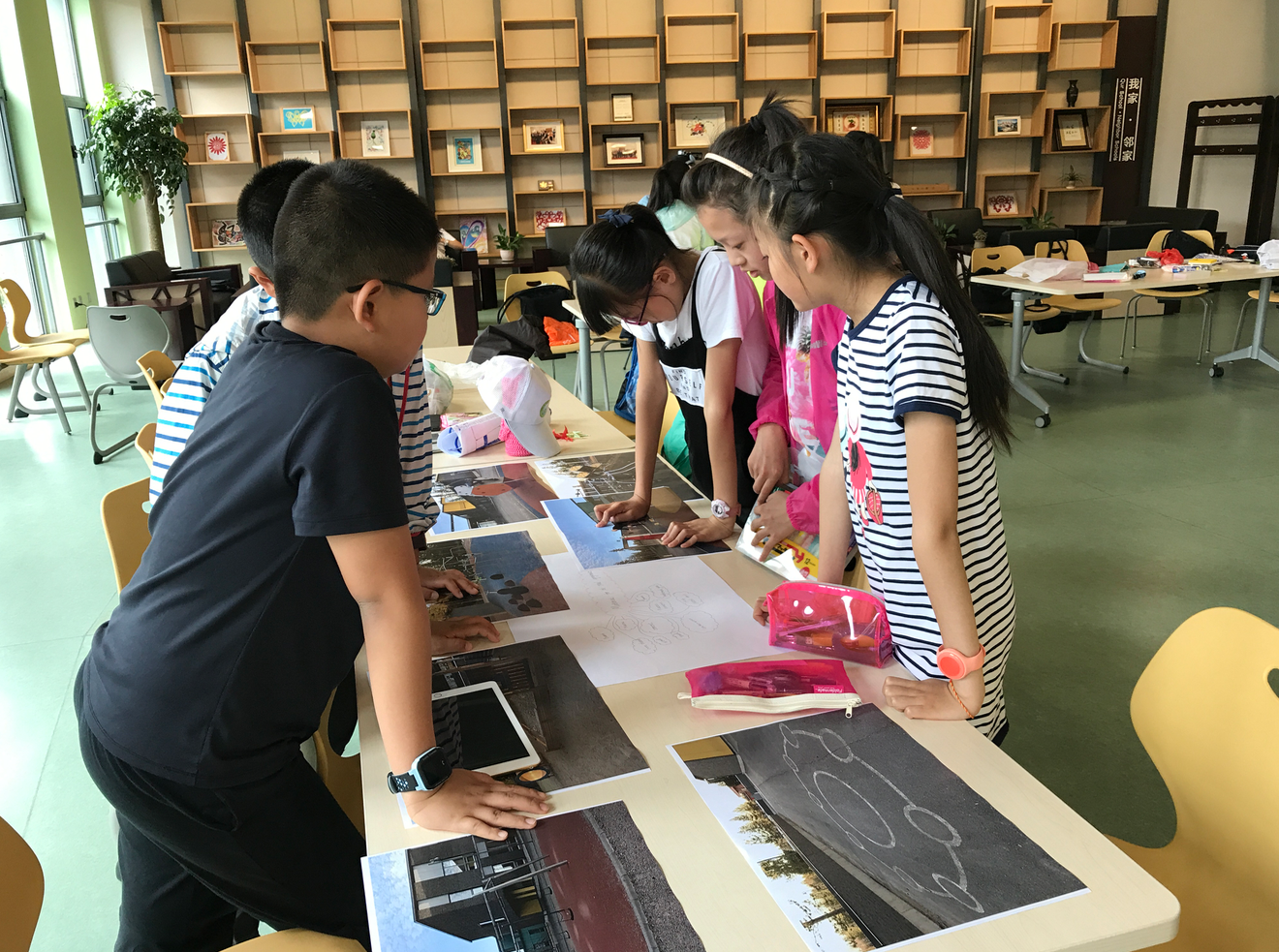
Global Educational Community and The Authentic Learning Institute held an international conference in Beijing on the 8th-9th June.


Innokas-Network had an important role by taking Finnish teachers to work and co-operate with their Chinese colleagues during the conference week. Before that teacher-teams had collaborated by planning and implementing projects on learning environments in their own countries. A few days before the conference teacher-teams met in Beijing and modified their projects. Moreover, Finnish teachers educated and supported their Chinese colleagues on the innovation process. The aim was to model Finnish teaching practices to Chinese teachers in authentic learning sessions.  To do so, there where Chinese students from different areas from China. Finally, teacher-teams gave demo-lessons to conference participants. The demos were reflected by the audience teachers and all the participants from the Beijing Normal University and Beijing Capital University and elsewhere.

Panel discussions were important parts of the conference. Minna took part in the discussion about the equality in Finnish schools and Finland. Johanna’s panel discussion was about the authentic learning. Both discussions were held in Chinese, so Finnish panelistics had an interpreter to keep them aware of the main point of the discussion.

Minna had a keynote speech about the Finnish school system and new curriculum, Innokas network and teaching practices. The main points of her speech were the phenomena and project based learning, collaboration between students and teachers and students based learning.

Moreover, the Finnish participants took part in the radio interview about the equality in Finland, transversals skills, multidisciplinary learning units and Finnish school’s success in PISA assessment. They also discuss the learning outcome and the main point of the new curriculum and it’s affects in nowadays’ Finnish schools.

-GEC team 2017: Minna K., Minna K., Johanna, Raini and Jaana-

Collaboration with Hong Kong schools

Our collaboration with Hong Kong started in August 2016. 1K-class from Jalavapuisto School in Espoo was happy to get a friend school called Holm Glad No.2 (The Mission Covenant Church Holm Glad No. 2 Primary School). Holm Glad No.2 has started an academy project called ‘Learning by Doing’. This project aims to change culture at the whole school level for example, by giving teachers s supportive school environment that puts people instead of grades first.
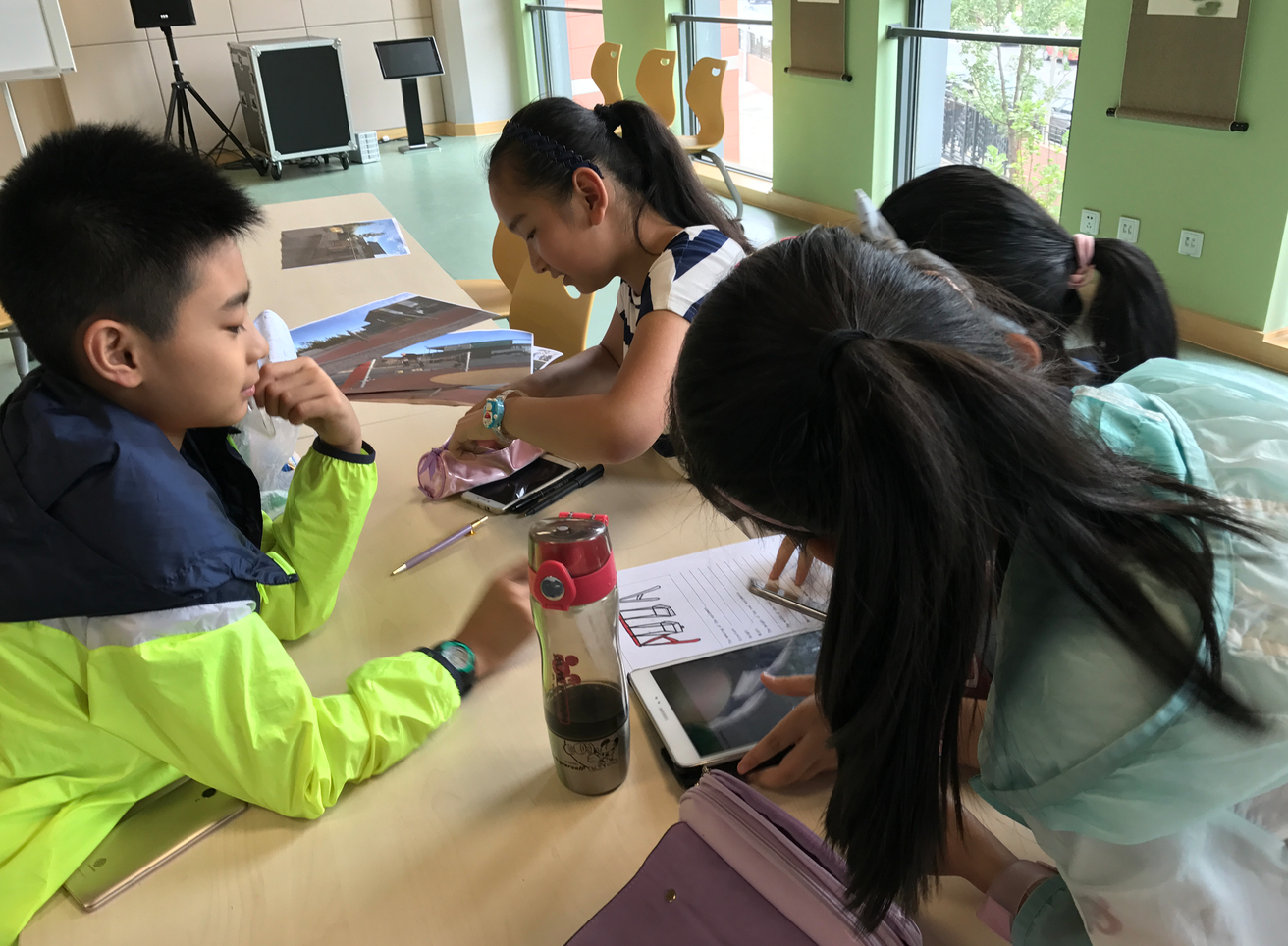
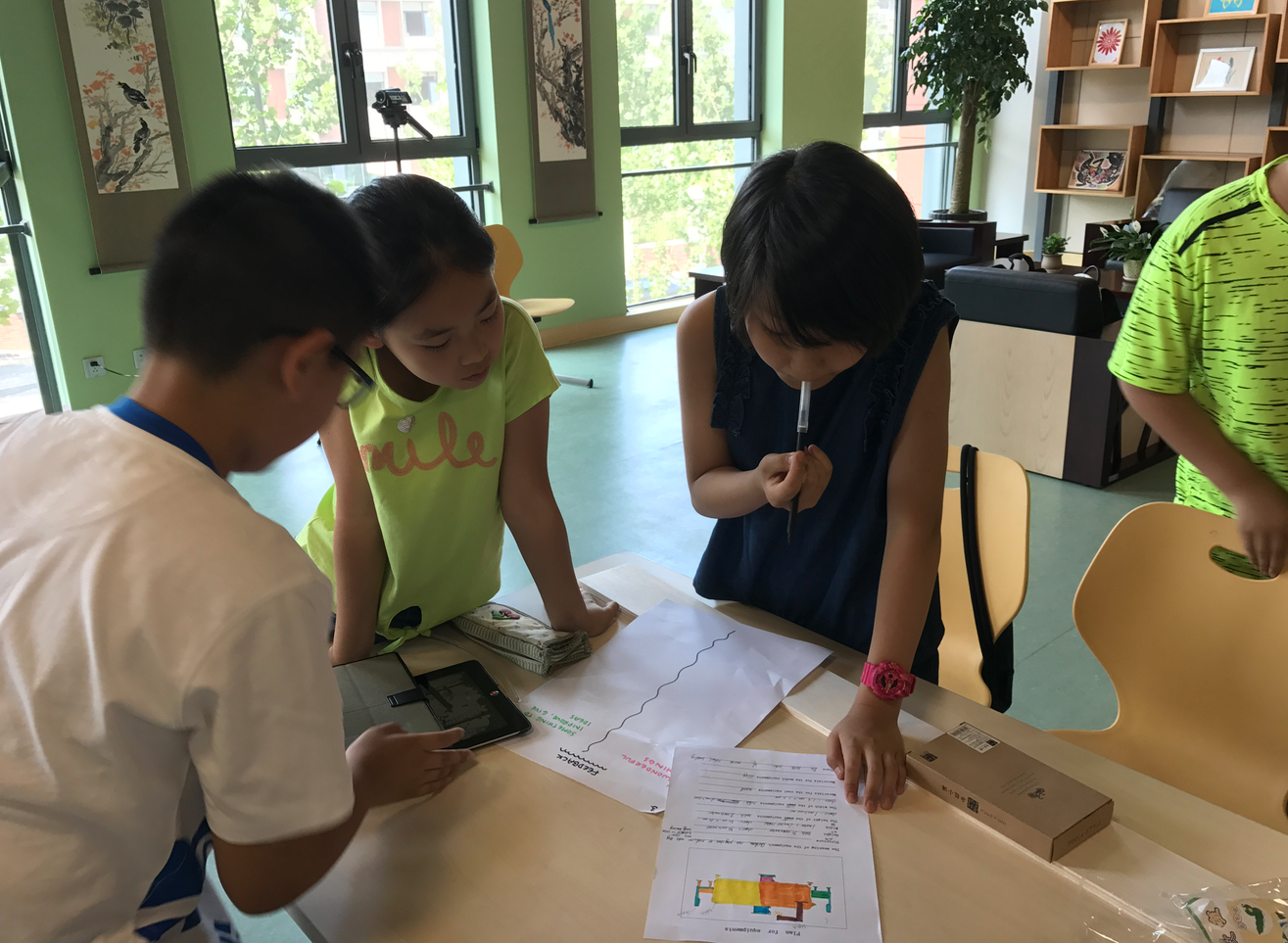
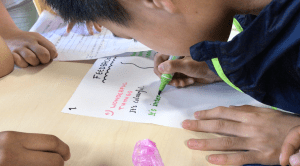
 We have been emailing, sending pictures and videos telling about our class and school day whereas they’ve been telling about their school and taking us to ‘the trip’ around the town introducing their neighbourhood. And we also started a match ‘Checkers’ going on on WhatsApp between Hong Kong and Espoo.
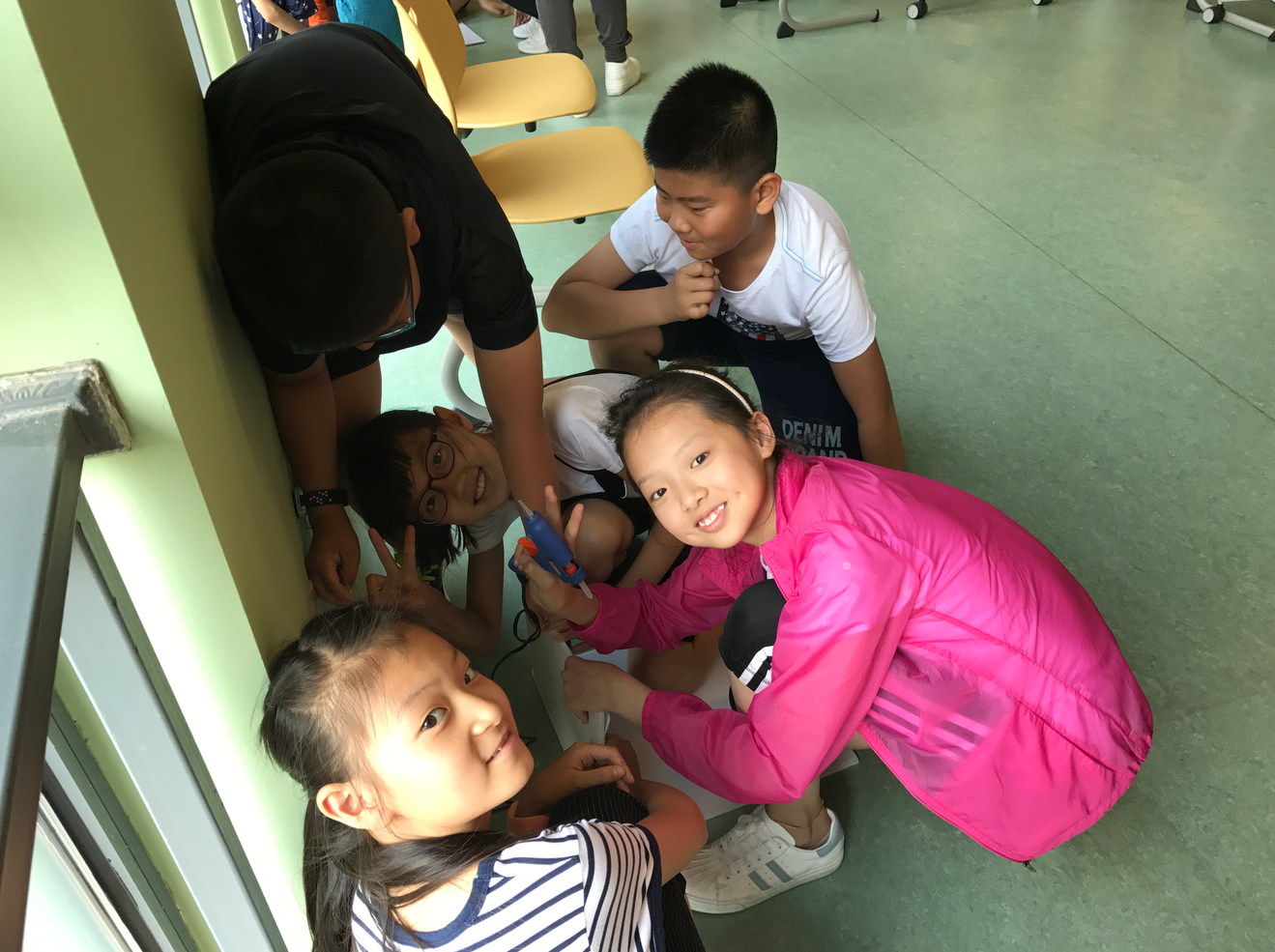
We teachers have been chatting on Skype two times now. Listening to each others plans and hopes and of coarse getting to know each other better.We are going to go on our collaboration after the summer. 

 This far this has been rewarding yet challenging. We’ve been happy to learn about their culture which differs from ours quite a lot. Several emails and Skype chats have been a great way not only to get to know the teachers better but also their always optimistic way of thinking.

 Linda Mattila from Koulumestari School in Espoo has also been working with Holm Glad No.2 with me. Planning and sharing ideas together has been a great help when thinking about this in all.

BR,
Hanna Mäkynen, Jalavapuisto school, Espoo