Category Archives: Schools

Schools involved.

The project of the gliders and flying effect

Screen Shot 2016-06-29 at 13.37.56

Jaana’s and Yiwen’s project was about the gliders and flying effect. The theme came out from the Finnish Curriculum and Yiwen’s will to have a project about gliders. For Jaana this theme was a great option, because Jaana’s and Petri’s students were on the 5th Grade and they studied physical information about the planes and flying effect during the spring 2016, so this project was easily integrated to their physics lessons.

From teachers’ point of view the main point of this project was collaboration between Finnish and Chinese teachers. That was the first time for both of us, so that’s why it was at first quite exciting. We tried to get to know each other via WeChat and in Beijing we started to work together and at the same time we got to know each other better. On the first day we went through our project plan and made decisions how to make gliders. Yiwen also showed Jaana, what kind of glider she had built with her students by using ready cut pieces. Jaana also showed Yiwen, how to fold a simple paper glider. As a common decision we decided to give students an opportunity to choose, how they would make the glider: by using ready cut pieces or folding the glider.

From students’ point of view the main point was to learn group working skills, learn information about the structure of the plane, to learn information about forces which affect to the plane during the flight and also to learn to make a glider by using different kind of materials and also to learn the techniques how to throw the glider.

Screen Shot 2016-06-28 at 15.21.44

Our project plan contained 8 lessons. Lessons from 1-5 contained introduction, studying information about the gliders and flying effect, making mind maps in groups of 3-4 and presenting mind maps. We started this part in Beijing by teaching students the specific words in English and in Chinese, because words were quite new for students. To find correct words in English students used Chinese-English dictionary on iPads. Then they came one by one to the front of the classroom to clue words into the picture of the plane. At the same time we also discussed what is the meaning of each part and students found answers from Internet or just thought what could be the answer and then told their idea to the others. The most important question was, why the planes need all those parts and how those parts affect to the plane and flying effect.

This slideshow requires JavaScript.

After the common start students made mind maps in groups. They got three questions to find out: how do you think each part of the plane affects its flying effect, which forces act on the plane during the take off, gliding and landing and why the plane can fly. To find information students used Baidu on iPads. One student also gave others a tip to find information from the site en.wikipedia.org. That was something new for others, because this time they found information mainly in English, although some of them also found information in Chinese and used Baidu translator to translate it into English or to translate information from English into Chinese. As a teacher I think it was a correct way to find and understand found information, because there were so much specific words that they didn’t know in English or in some cases not even in Chinese.

Students used 3 lessons to make their mind maps. After that they presented their mind maps to others. For them it was exciting that all students had to go to front of the class, not only one. During the presentation they also taught each others by drawing pictures and writing down the most important words f. ex. about the forces that affect to the plane. One group also showed animations from wikipedia about the aileron and elevator.
Screen Shot 2016-06-29 at 12.09.16

In our project plan lessons 6-7 were for making a glider. In Beijing we offered students a possibility to choose, how they would like to make their glider: by using ready cut pieces or by folding a paper glider. On our demo lesson we had a 60 minutes to implement this part, so after a short introduction about our project and information rehearse with students, students started to work in pairs.

Many of our students chose to use ready cut pieces, but there were four eager boys, who would liked to know which one flies better, the folded glider or the glider made by the ready cut pieces. At the beginning of the lesson they thought that ready cut piece glider flies better, but after testing and adjusting their folded glider flow better, even through the open window. 😉

During the testing students also marked down how far their glider flies. Then they had to think about, how to improve their glider to fly further. For this they had a work sheet to draw the altitude and to mark down, how they adjusted their glider. This work sheet worked well and gave students more understanding what they are learning.
Screen Shot 2016-06-29 at 12.07.38

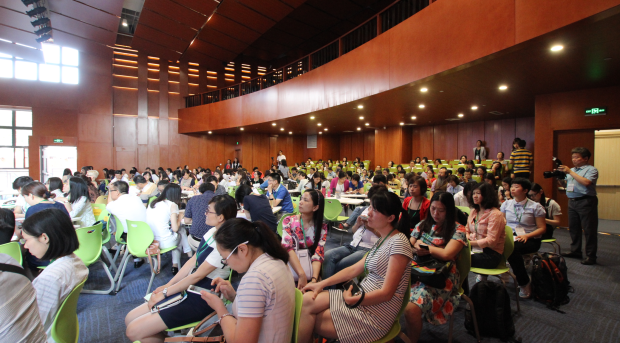
Demo lesson was filmed from each corner of the class room. At first all students were quite excited because of the cameras, but quite quickly everyone forgot all the cameras. The audience followed our lesson in the hall next to our classroom. After our lesson we teachers went to stage to tell more about our project and about evaluation. All slides we made in both languages and all questions and answers we got and gave also in both languages. That way all members in audience understood what we want to say. Tiina and audience also asked us about our project and collaboration. Jaana answered all in English and Yiwen translated it into Chinese.

In Shenzhen we had a same kind of project, but in there their own teacher had started the project by making mind maps with her students. On the first day we had 4 lessons with the students and during those lessons students got to know information about Finland, made posters about the differences and similarities between the Finnish and Chinese schools and after that we taught them information about the gliders and flying effect. This time Yiwen taught them more in Chinese than in Beijing, because the students in Shenzhen were younger and they didn’t know so much about the theme in English. After the common start students continued working with their mind maps. Many of them made their mind maps both in Chinese and English, because writing everything in English was quite hard for them, they were so young. After finishing the mind maps they presented them to others in English. One boy was a translator for some groups, because they were so shy to have their presentation in English. This kind of collaboration worked well and every group could have their presentation.

On the demo lesson in Shenzhen we had the same PowerPoint introduction than in Beijing in both languages and after that a short rehearse about the main parts of the plane in English. After that we taught students how to fold a simple paper plane. After that we told them about the schedule and they started to fold planes by using different kind of papers. They also had a work sheet such like in Beijing. During the testing students noticed that the paper can’t be too thin or too thick, so they had to test which paper could be the best option for folding.

Screen Shot 2016-06-29 at 14.10.37 Screen Shot 2016-06-29 at 14.11.58

For me as a Finnish teacher this experience was amazing and this opened my eyes to see the meaning of the global collaboration deeper! It was nice to collaborate with the Chinese teacher Yiwen, all students, all professors from Beijing and also I learned a lot of Chinese culture and school system. I think I also learned, how to plan and have project with teacher who I haven’t known long – collaboration doesn’t depend on how well you know your partner, but it depends on how much you want to work together and find the common understanding.

My deepest will is to have more collaboration with Yiwen next year. 🙂

Planning the project plan and starting the collaboration

Raini and Sienna, Minna and Kathy and Jaana and Yiwen kept in touch during the Spring 2016 via WeChat. WeChat was the best option, because it worked both in China and Finland. It was also possible to use the Web WeChat with the computer, so it made communicating and sending attachments more convenient.

In China the volunteers also created the Finland-China chat group, that we used to communicate and share information about the conference. Tiina, Raini, Minna and Jaana also had their own group, that was easy way to keep in touch and share pictures while everyone was in the different school building.

Screen Shot 2016-06-23 at 08.47.41

All Finnish-Chinese co-worker pairs wrote their project plan together about the theme that was suitable for both countries, for the students of both teachers and also for professors and team leaders in both countries. During the Spring all pairs chatted, sent attachments, shared ideas, improved the project plan many times and also Minna and Raini had a few Facetime voice calls with their partners before the Finnish team arrived in Beijing.

Screen Shot 2016-06-23 at 10.57.28

Screen Shot 2016-06-23 at 11.00.10

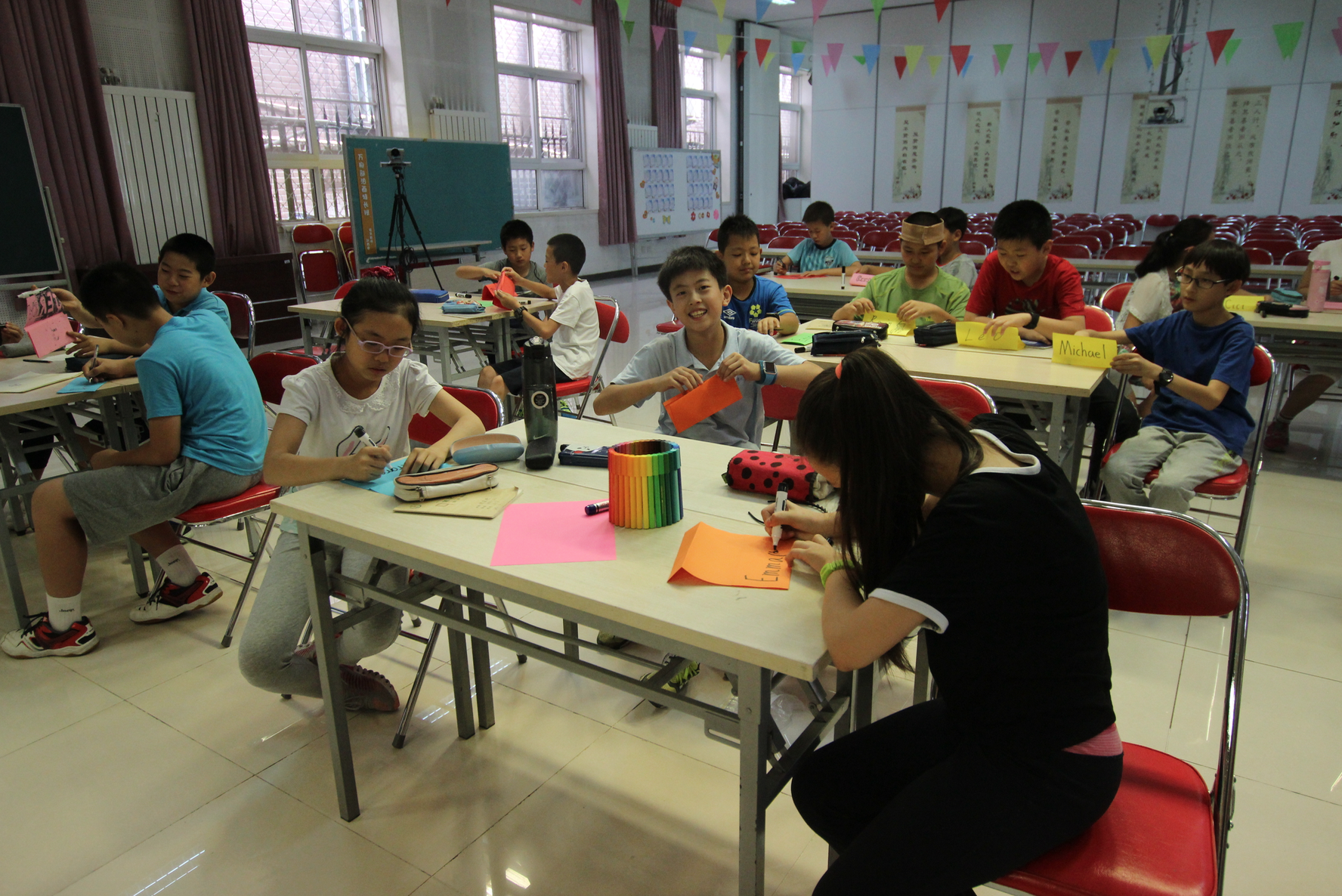
After arriving in Beijing the Finnish team meet their Chinese partners for the first time. It was exciting moment for them all! After talking and getting know each other a little bit better, pairs started their work with students. All 25 students were at first very excited, because they didn’t know each other or even the Chinese teacher. That’s why on the first lesson we had to get to know each other by playing different kind of “getting know each other” games. The students also made the name tags by using their English name.

All teachers and students worked together in Beijing for 3-4 days before the demo lesson. During working Chinese professors and Tiina gave them advices how to improve their project and also told them how well all pairs worked together. It was nice to get positive feedback, because all teachers worked hard before and after arriving in Beijing.

This slideshow requires JavaScript.

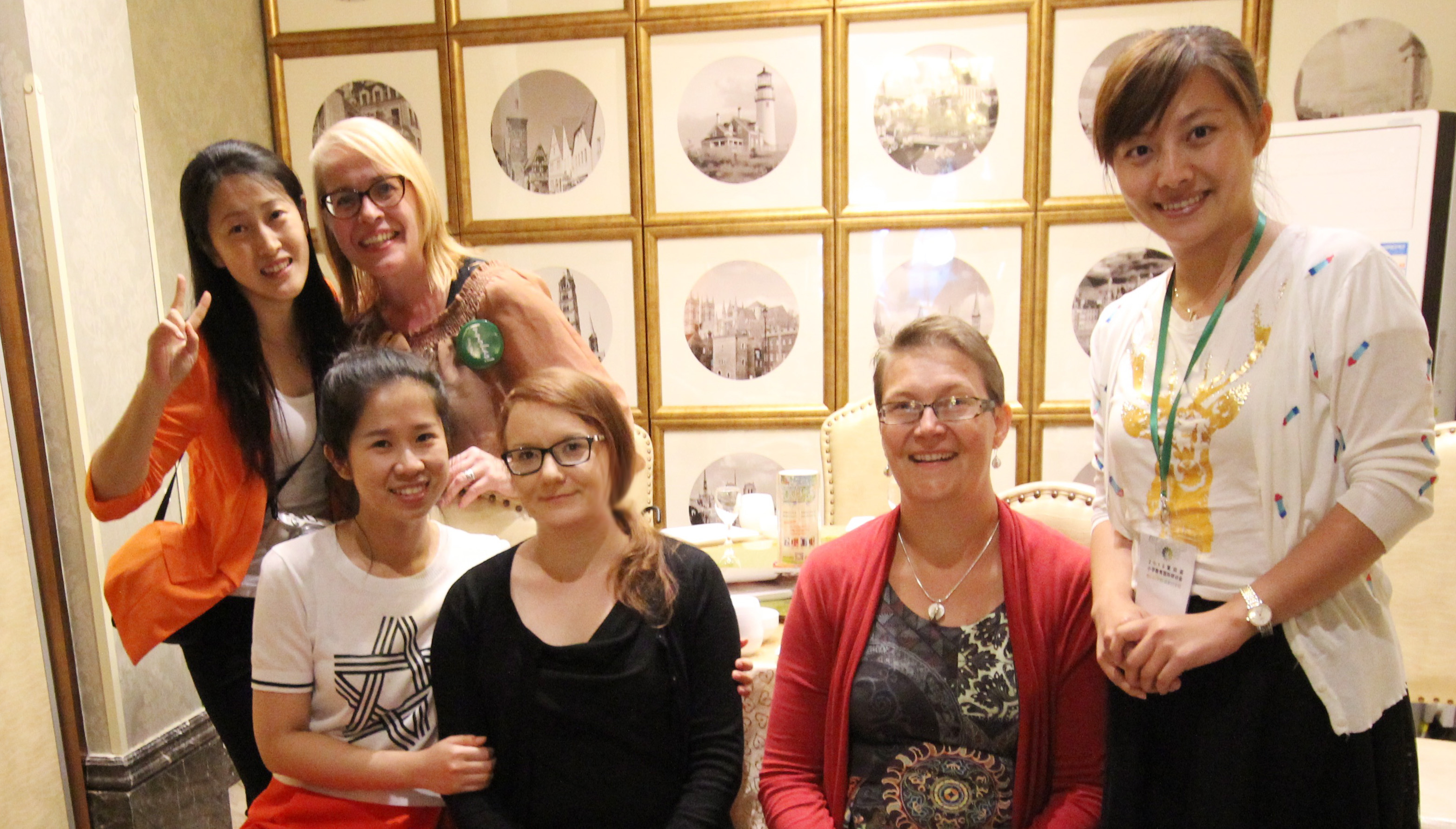
After every hard working day we had dinner with Chinese or Americans. In Beijing we got a chance to have a dinner in Mongolian Hot Pot restaurant. Guali ordered us the traditional Chinese food, f. ex. boiled chicken legs – that was new for all of us. During the dinner time we enjoyed also a traditional Chinese performance and saw how the noodles were made longer and longer. On the another evening we had dinner with our Chinese teacher partners. Then we tasted the Beijing roasted duck – it was so delicious and we also liked a lot of the dessert called “Bomb”.

The 4th GEC Conference in Beijing

Screen Shot 2016-06-21 at 08.11.34

yhteiskuva

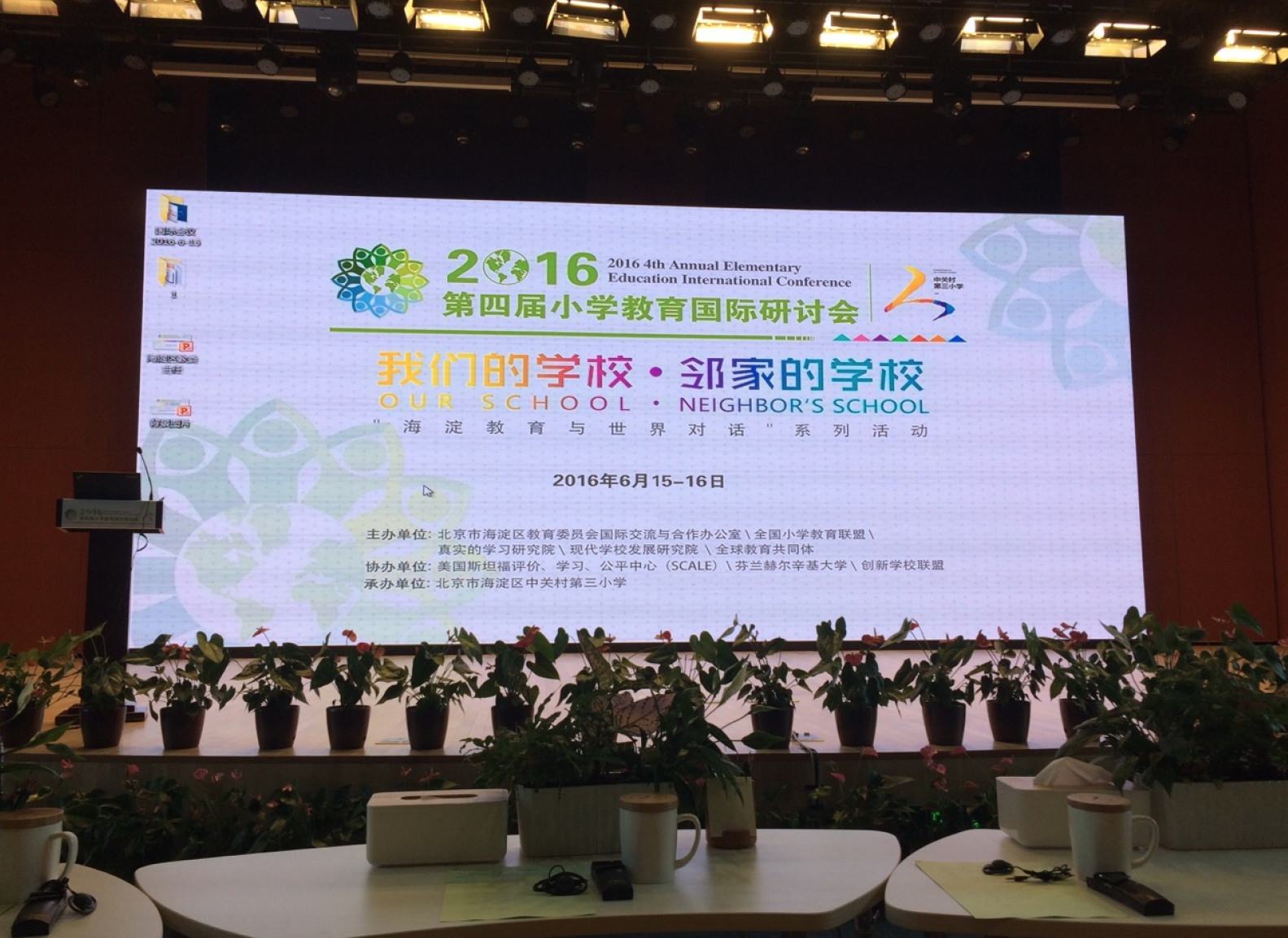
The 4th GEC Conference was held in Beijing from 15th to 16th of June 2016. The Finnish team arrived in Beijing on 9th of June. They had one day for sightseeing and from 10th to 16th of June they worked with their Chinese partners. Minna’s partner was English teacher Kathy from Shenzhen, Raini’s partner English teacher Sienna from Beijing and Jaana’s partner English teacher Yiwen from Beijing. They all worked in pairs with the group of Chinese 5th Graders. Tiina took part in the conference as keynote speaker, interviewer and commentator.

This slideshow requires JavaScript.

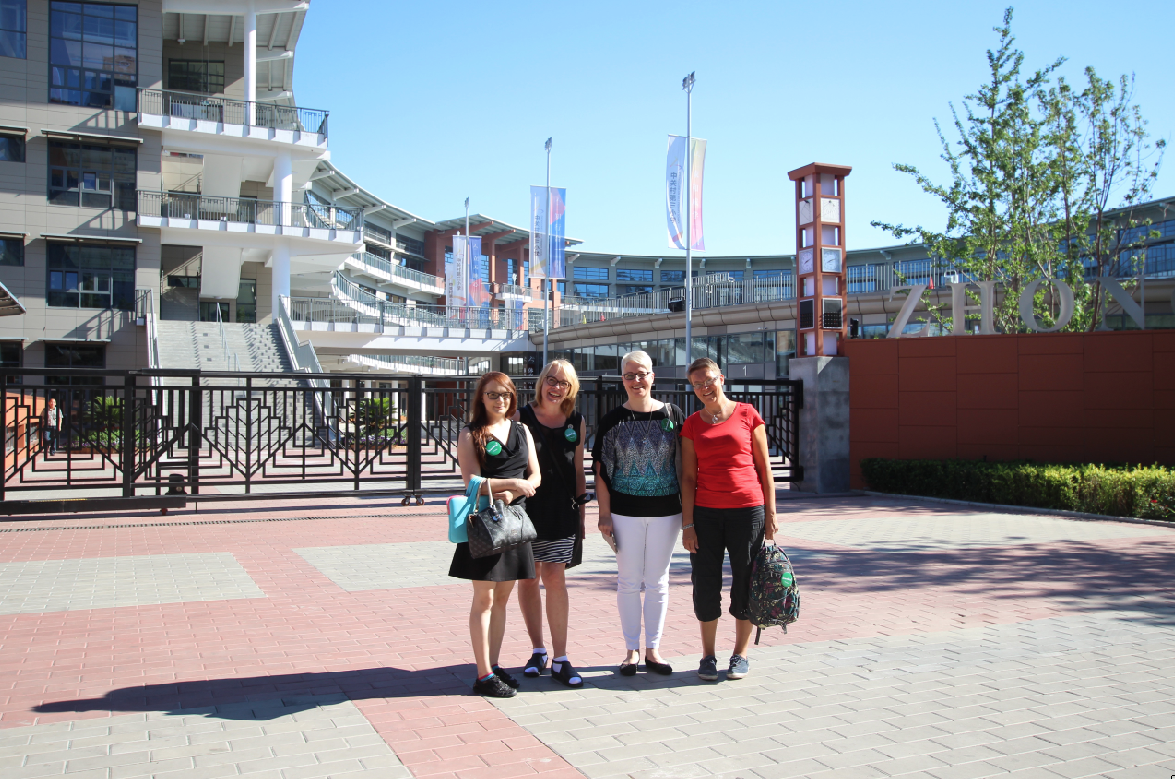
Global Education Community (GEC) organised the international conference in the new school campus of Zhongguancun No. 3 Primary School. The new campus was opened only 100 days before, so we were invited to visit a brand new school. We liked the architecture of the school much as well as we were happy to see how much group working spaces they had, how well they had paid attention on co-working by having the openable walls between two classrooms and also how they had moved teachers’ desk next to each other so teachers were able to work together in the common lobby.

The view from classrooms was also beautiful and through the wide windows the sunlight came inside. Outside they had also a nice garden where the students could learn to take care of plants, flowers, vegetables and trees. On the second floor they had also a big sports arena where the students played football.

IMG_2879

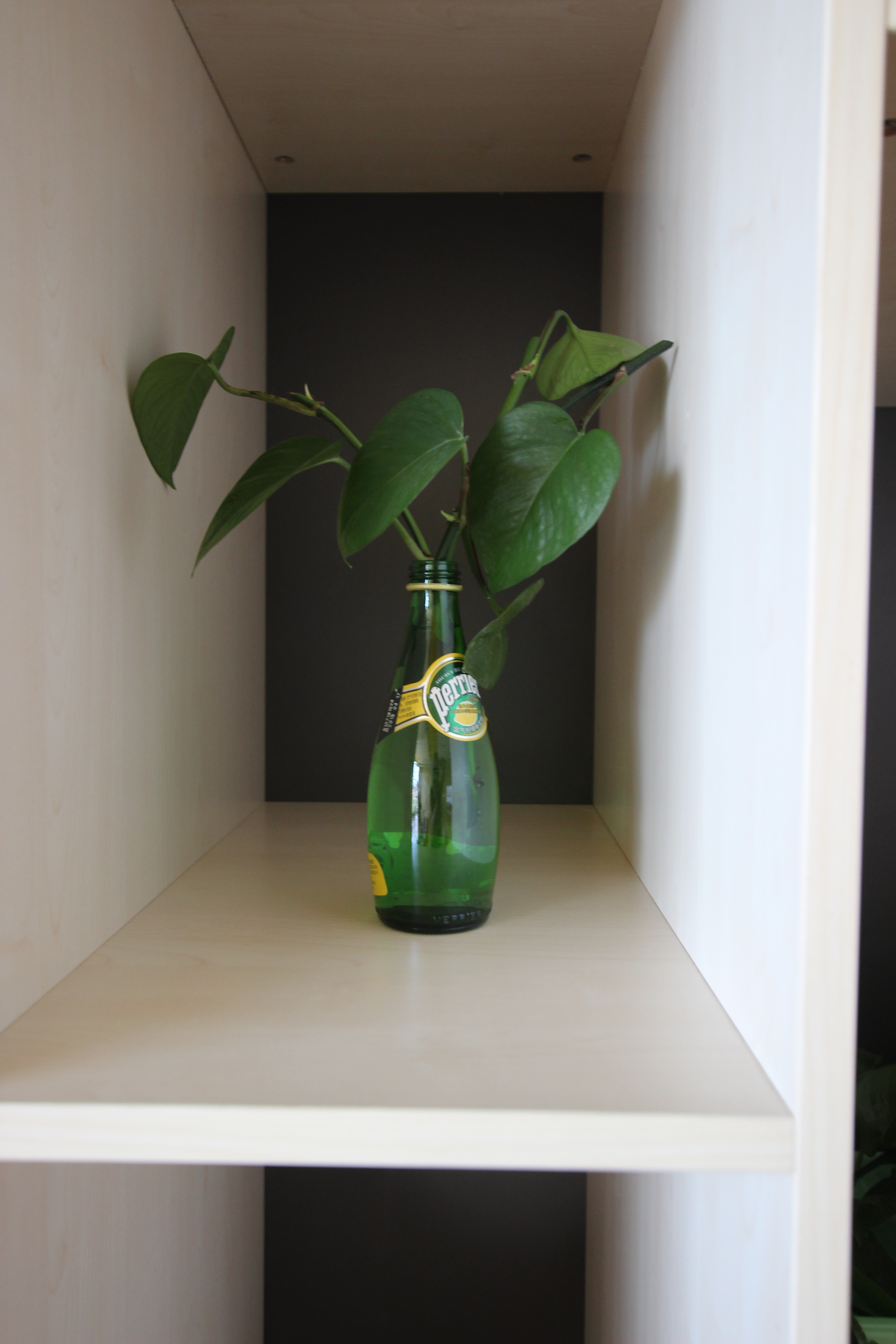
To improve the air inside they had also thousands of plants. On the second day we got to know that every student has his or her own plant and it was their job to take care of the plants. We also got to know that all plants were risen by students. That’s why we saw many cuttings all over the school.

This slideshow requires JavaScript.

Raini, Jaana, Minna and Tiina also visited other schools nearby. Those schools were older, but for us they offered a lot to see and it was also nice to meet other students and talk with them. Almost all spoke very good English and they also translated well, if someone didn’t understand. In one of the schools 6th Graders’ had also a show, where they song, danced, had a talk show in Chinese and played traditional musical instruments. For us it was nice to notice that old traditions were very important also in Chinese schools.

IMG_3062

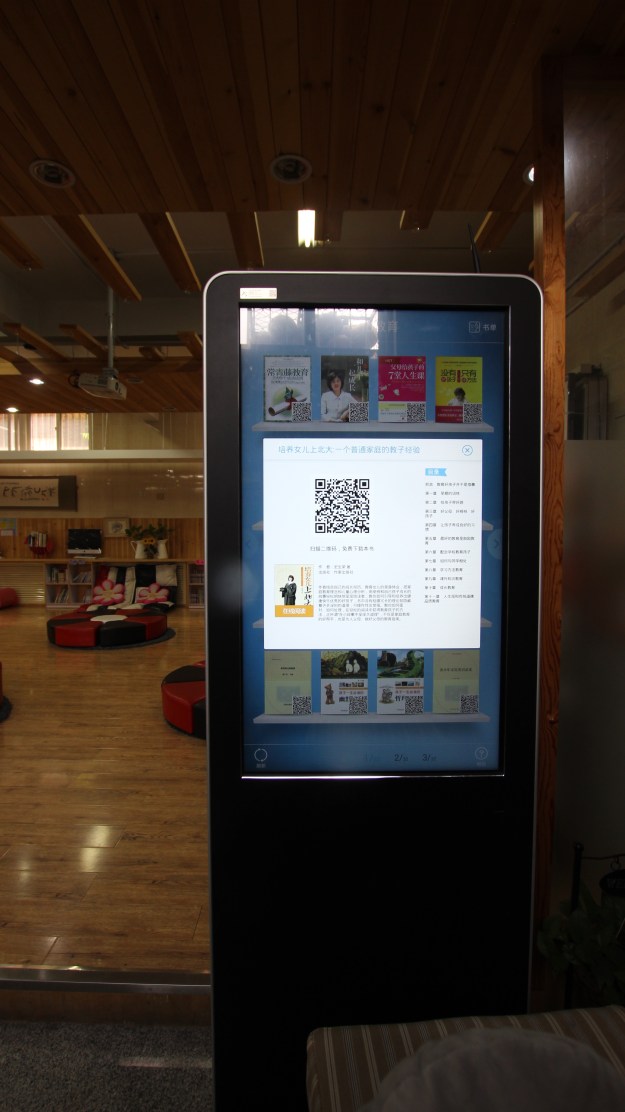
In the schools students used iPads, but BYOD method was totally new thing for students, because they were not allowed to bring their own mobile phones or other devices into school. However, for us the most interesting device was found in the library: students were able to load e-books on their own devices by using a QR code. Great idea! This could be suitable for Finnish schools, too.

Screen Shot 2016-06-03 at 21.52.31

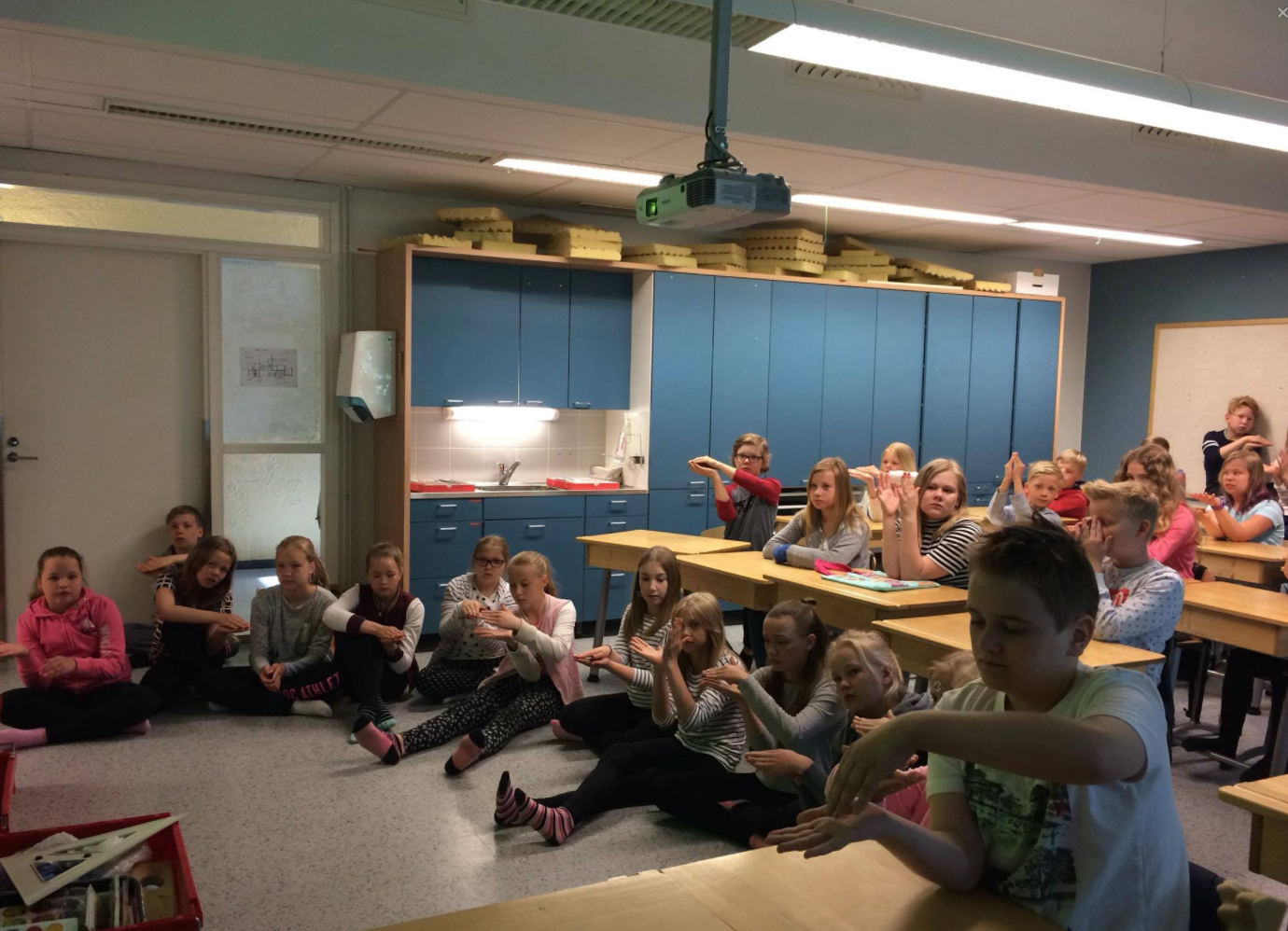
On the last school day 53 students from Metsokangas Comprehensive School worked with the project with the theme of planes and the flying effect. During the introduction we watched together a picture about the plane. Teachers asked students to think and answer which parts are the most important while the plane is in the air. They answered wings, elevator and rudder. Then we talked a little bit why the elevator and the rudder are important, how the plane can land, how does to shape of the plane affect to the flying effect, which forces affect to plane and also  we talked about the shape of the wings. All students made a wing by using their hands. Almost all students knew that the bottom of the wing is straighter and the top of the wing is curved. Then we rehearsed how the air moves above and below the wing and how it is related to the flying effect.

Screen Shot 2016-06-03 at 21.52.24

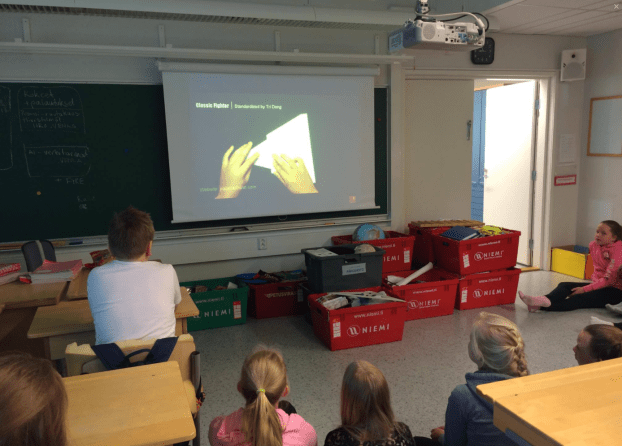
After the introduction teachers told students what they will do next. They had heard before that they will have a possibility to fold planes on the last school day, but before they started to fold their planes they watched one example video. After that teachers told them about the schedule and they started their action.

Screen Shot 2016-06-03 at 21.52.17

Screen Shot 2016-06-03 at 23.03.22

At first all students had to decide which material they would use. Almost all decided to use printer paper that was easy to fold and it was light enough.

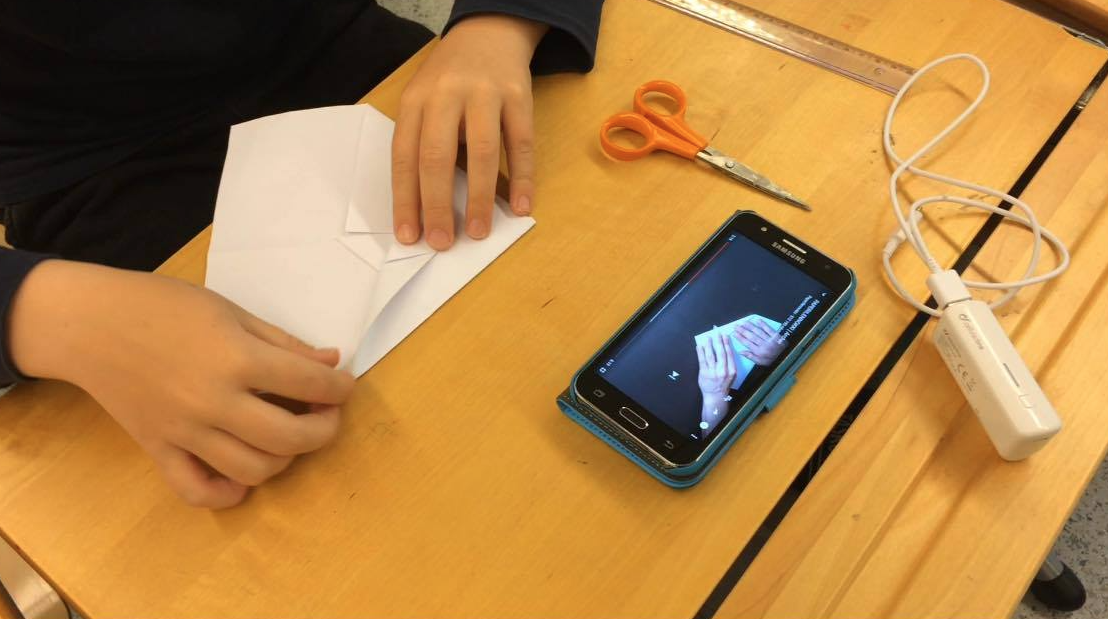
Students were allowed to use their own phones to find ideas how to fold planes. The most of them found instructions from Google or YouTube. After getting an idea what kind of plane they designed their own plane and folded it.

Screen Shot 2016-06-03 at 23.07.27

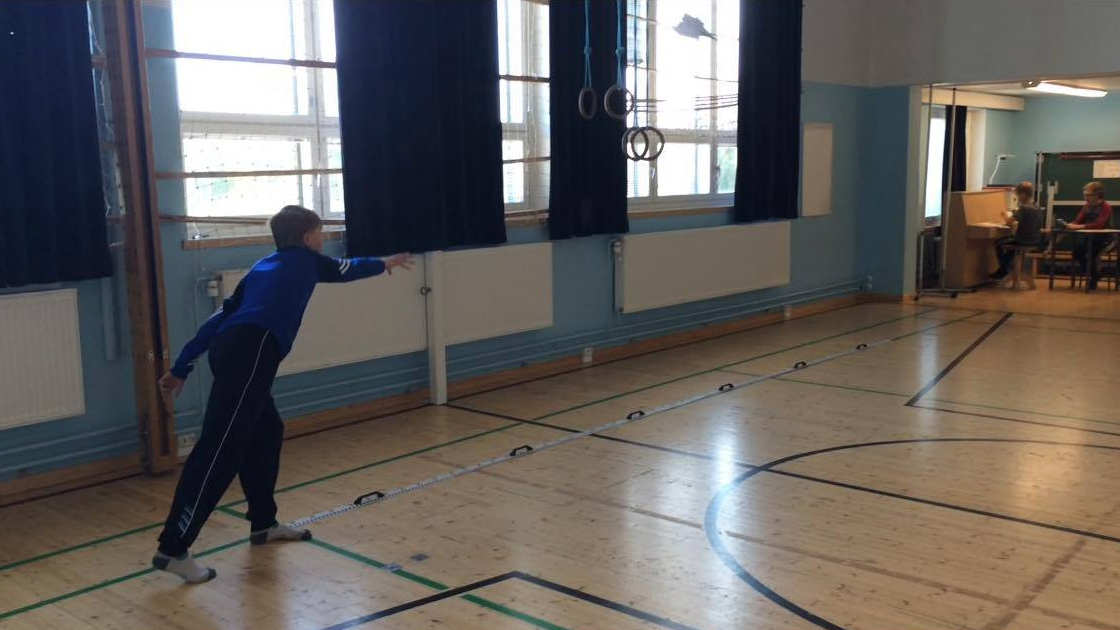
During folding the planes they were also allowed to test their planes in the PE class where the final competition was organised lately. After testing they knew how their plane glided and got ideas how to improve their planes. Many students folded several planes and tested them to get to know which one is the best.

Screen Shot 2016-06-07 at 18.07.25

Screen Shot 2016-06-07 at 18.06.56

Screen Shot 2016-06-07 at 18.06.39

Screen Shot 2016-06-07 at 18.06.28

Screen Shot 2016-06-07 at 18.05.58

Screen Shot 2016-06-07 at 18.05.20

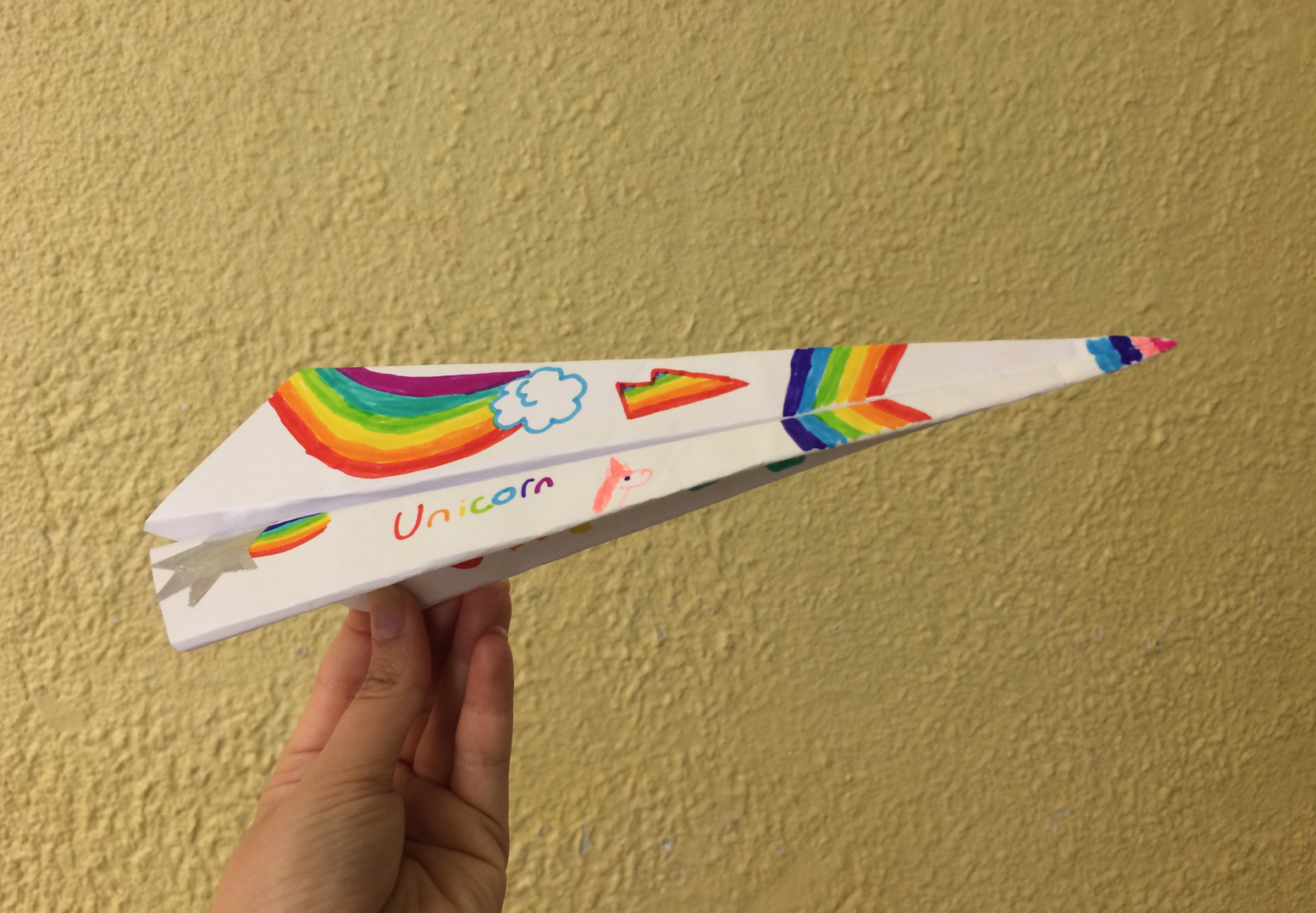
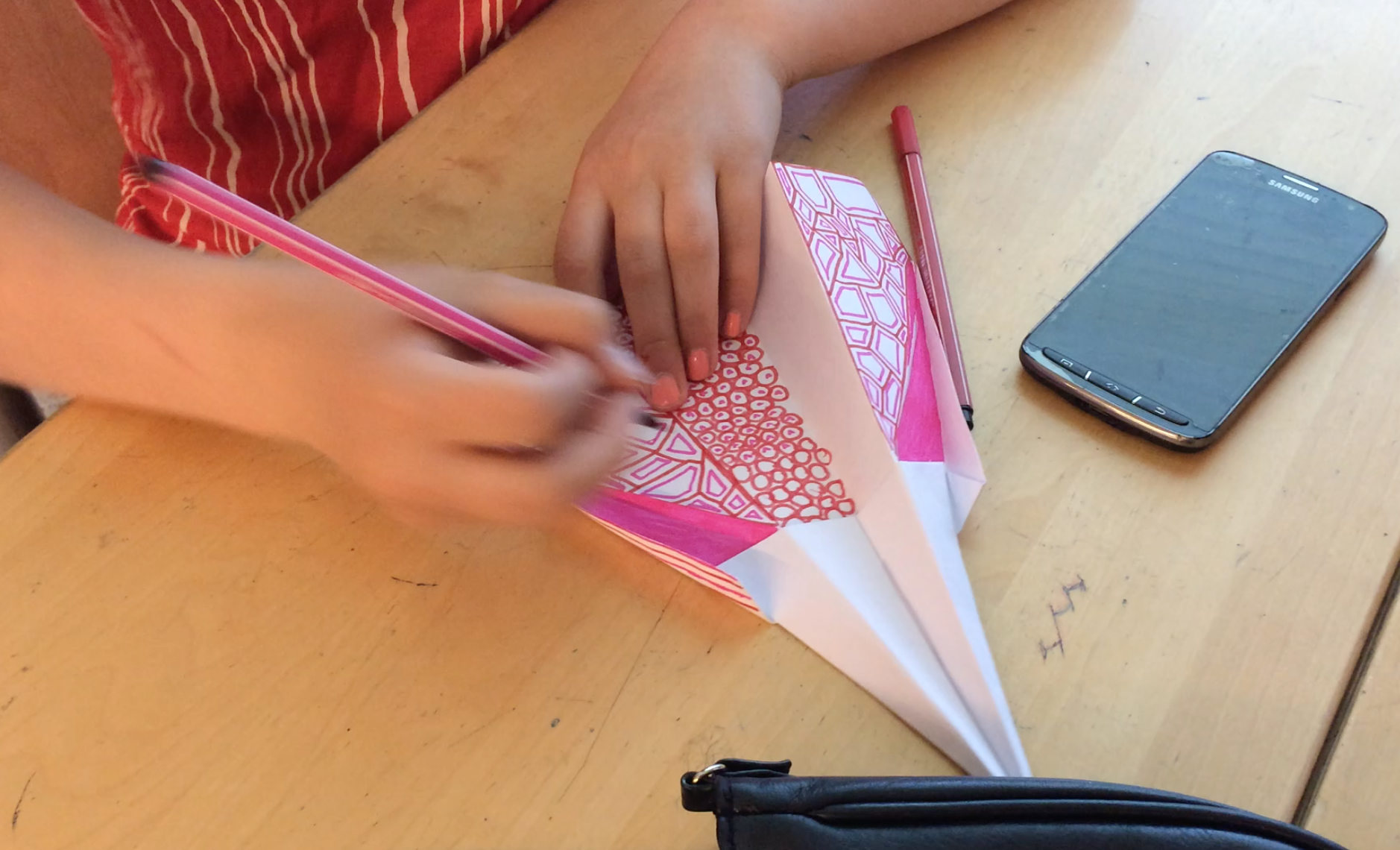
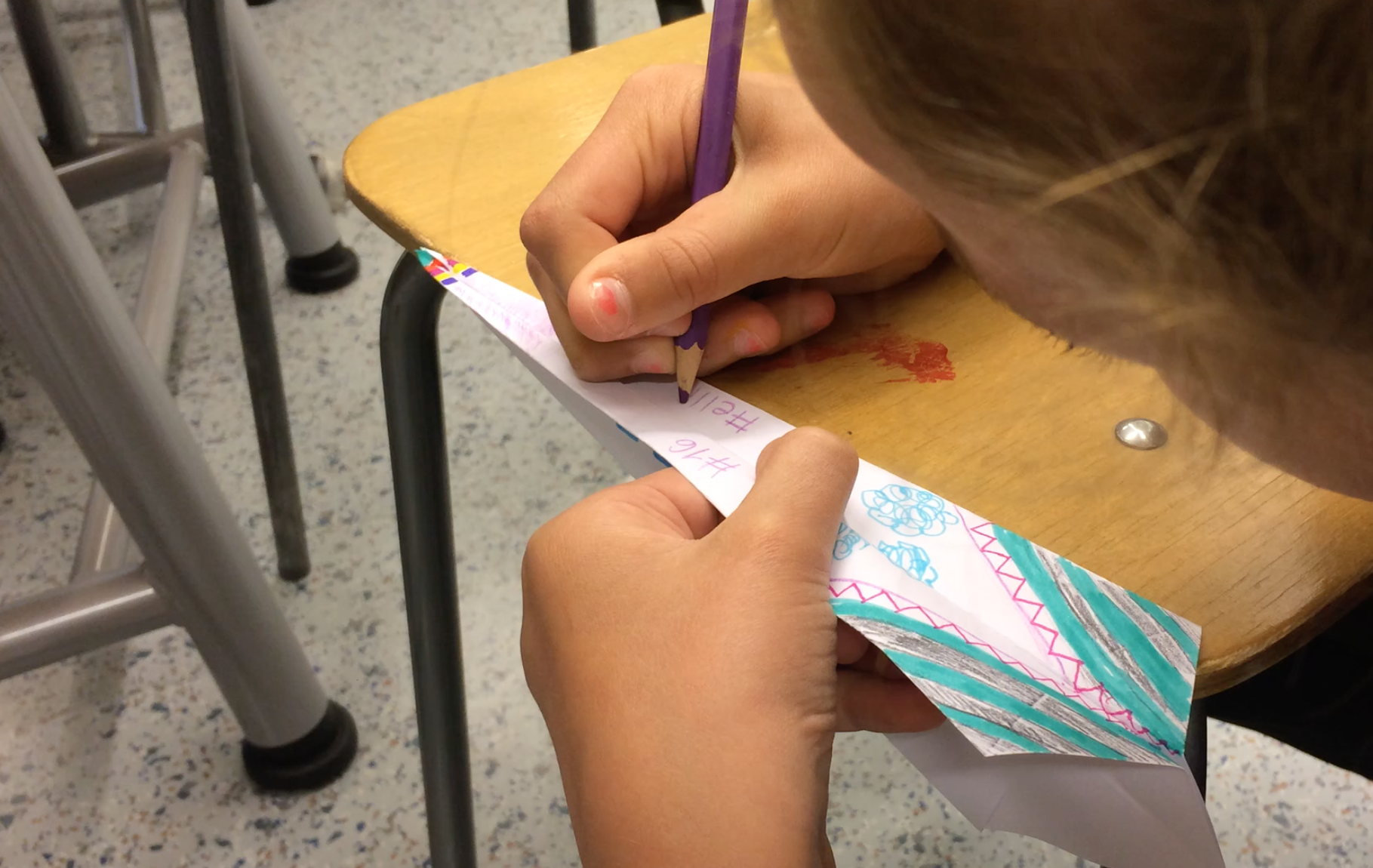
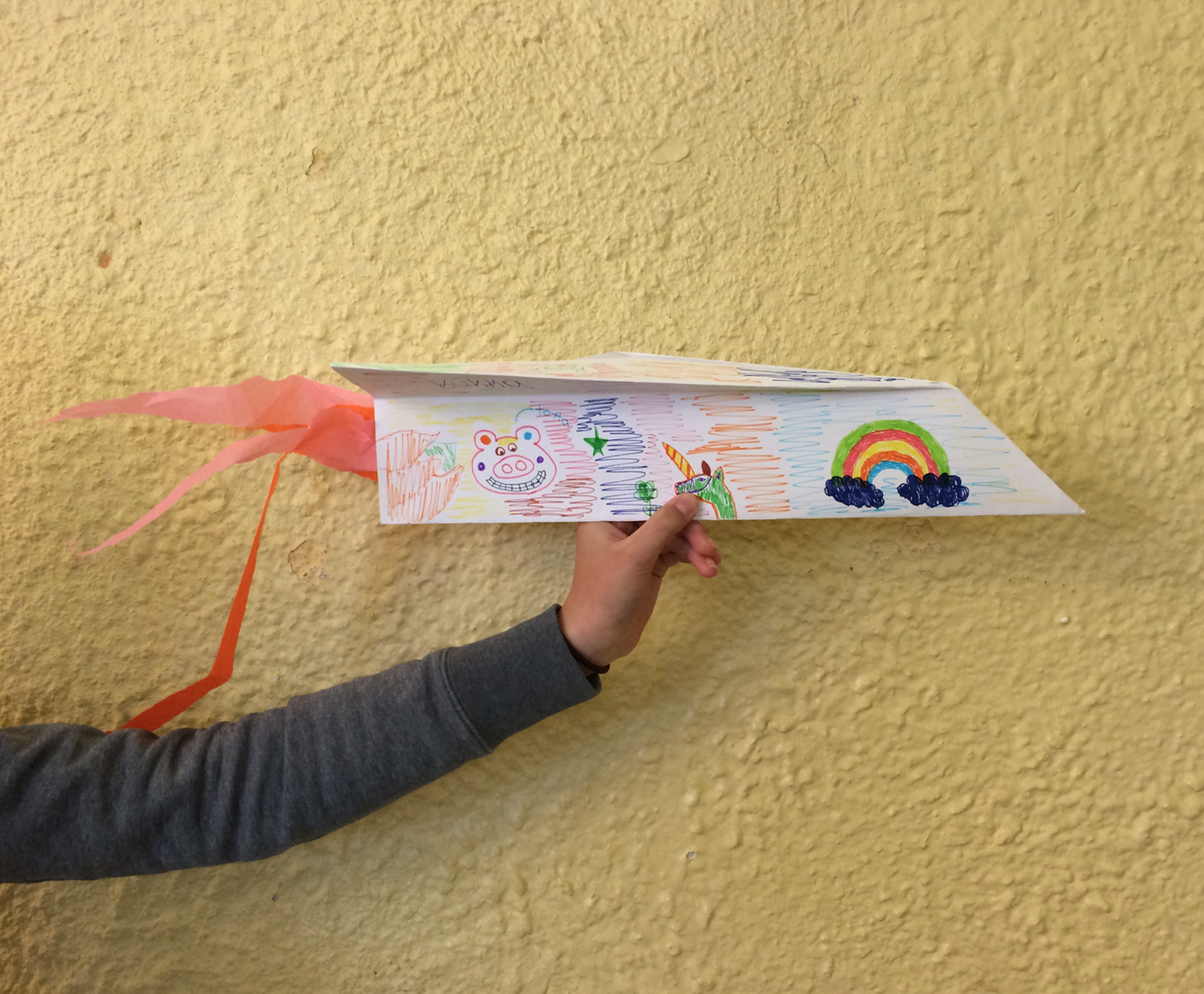
After one hour planes were finished and decorated. For us as teachers it was nice to notice that almost all students liked more to fold planes than to decorate them. They used a lot of time to make their foldings better and they tested their planes many times before the competition instead of colouring them.

The competition with only one throw per student took 20 minutes with 53 students. However, this project worked well and students learned many new theoretical things about planes and the flying effect.

Next Jaana will implement the same kind of project in Beijing with her chinese co-worker Yiwen.

– Jaana, Petri and 53 students, Metsokangas Comprehensive School, Oulu, Finland –

The Project of planes and flying

Screen Shot 2016-05-26 at 18.37.21

Students from Metsokangas Comprehensive School has been working with the theme of planes and flying during the past two weeks. At first all students got a few questions about the theme. Then they found knowledge by using their own devices. All founded knowledge they wrote down on the mind maps on Popplet. After that they shared their knowledge and we made together a common Popplet mind map and some students also wanted to add a few pictures and YouTube-videos into the map to give more information.

Our co-workers in Beijing has done the same last week. The next step in Finland is to fold planes and measure how far they fly. This will be organised this week before the summer break.

Jaana from Metsokangas Comprehensive School

A Wonderful Conversation

A lot of things has happened this spring between Helsinki and Beijing. I have got WeChat -messages nearly everyday from my Chinese colleague Sienna,  my class has worked well with the theme Nest and now Sienna’s class in Beijing has started the project aswell.

Today we finally met: a FaceTime call let us talk face to face. I think it is marvellous how technology helps us to build relationships between people from different parts of the world. I and Sienna had a wonderful conversation about our schools, our jobs as teachers, and about becoming GEC Conference. We decided to meet at least twice before our teaching demo. We also decided to make another FaceTime call on next Monday so that our students could see each other and ask some questions. It is nice that the same project is happening in Finland and in China at the same time!

Raini from SYK

Helsinki – Beijing – connected!

Co-operation with Chinese colleagues has started slowly. I think the main problem was that I didn’t success to create a GEC-email account – so my Chinese colleagues perhaps thought I was too lazy to answer their e-mail. But as the summer – and the GEC Conference – gets closer the more we chat  – by WeChat.

My Chinese colleagues are Ms. Xiaoshuang Xi and Ms. Haijing Du from Beijing Zhongguancun 4th. Primary School. I have chatted mostly with Xiaoshuang (Sienna) and we have thought our project based learning unit. At the moment it seems that our topic will be a Nest. It will be marvelous to see what will happen in Helsinki and what will happen in Beijing. This is a fine opportunity for me to see how things work in China and how I and my Chinese colleagues will build a project together.

My 3rd graders have made video and Power Point -presentations about Helsinki. I have tried to send them to China, but for some reason I haven’ t succeeded. But we keep on trying!

Raini Sipilä, SYK

The Finnish Education Conference in Hong Kong

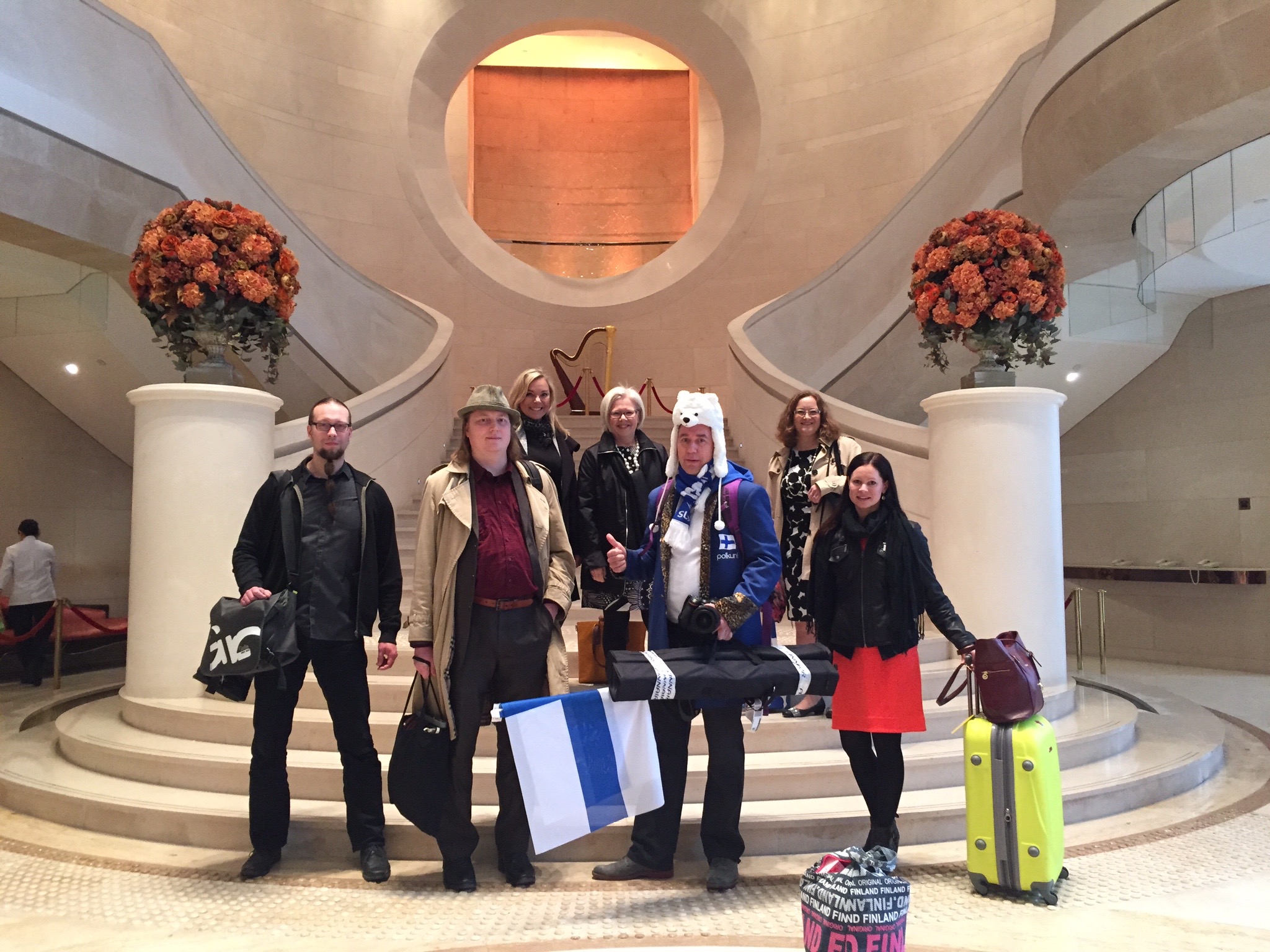
Innokas Network was invited to take part to the Finnish Education Conference in Hong Kong in February 2016. There were up to 10 representatives from cities and companies from Finland.

IMG_1188

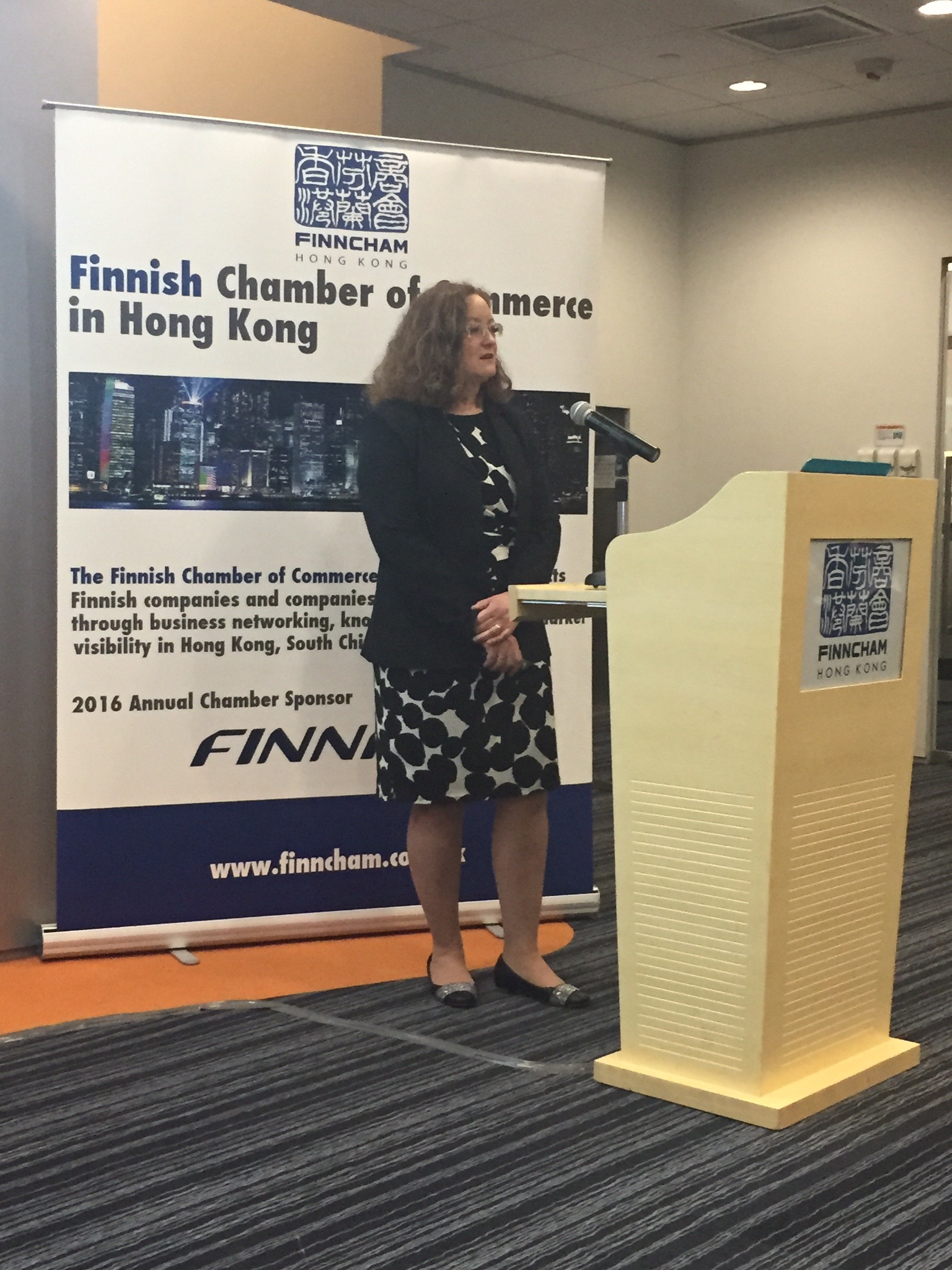
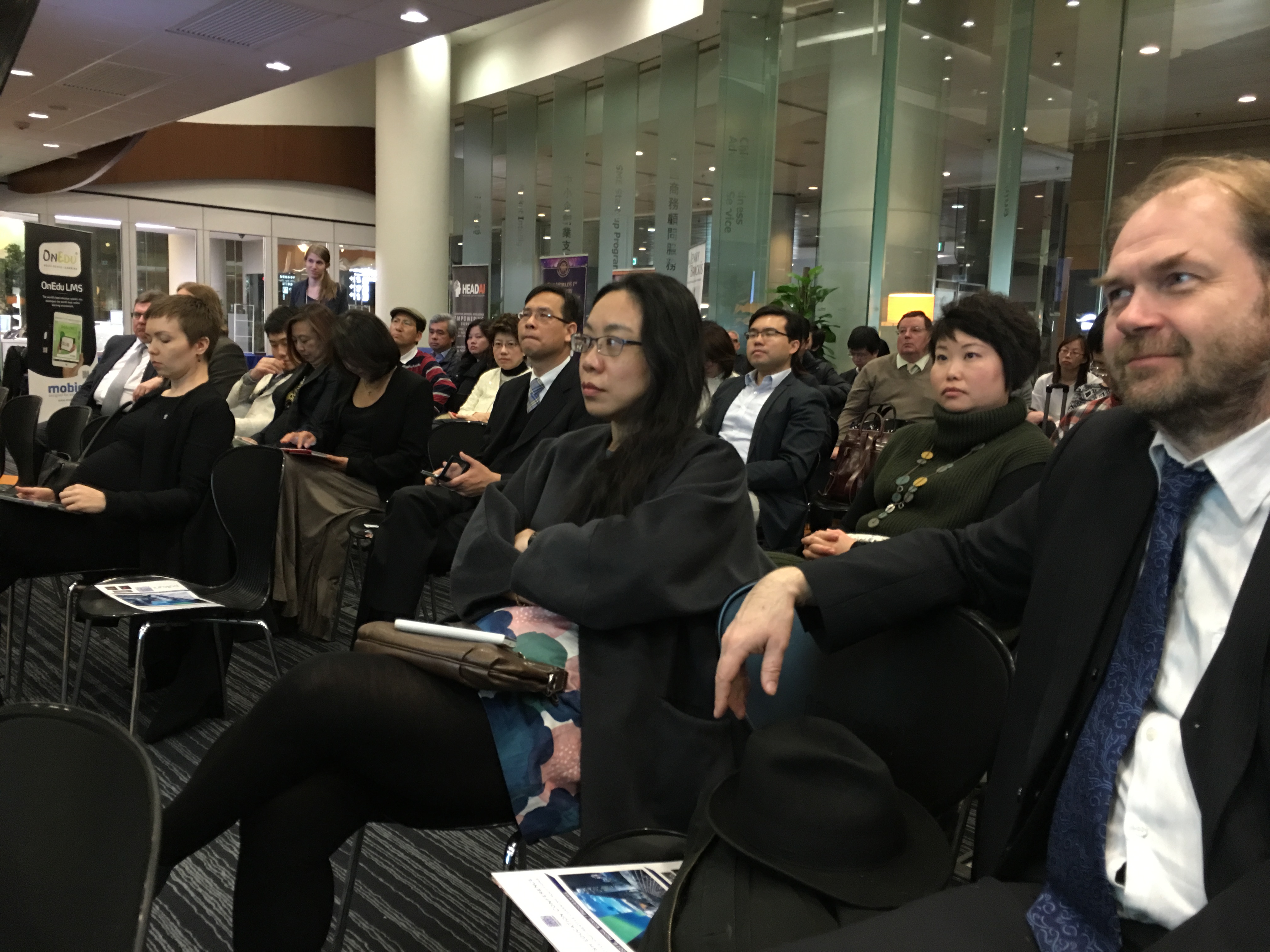
The Conference was hosted by FinnCham’s Education Committee and it was the first ever in Hong Kong. There were over 120 guests including local media. We were welcomed to the Event by Stuart Patton, Chairman of Education Committee, Finnish Chamber of Commerce in Hong Kong and Jari Sinkari, Finnish Consul General to Hong Kong & Macao.

There were three key note speeches, Innokas Network was one of them. The presentation was based on the Innovative school model and it covered experiences and best practices in innovation and technology education and 21st century learning all over Finland.  As part of Espoo delegation the presentation also covered some best practices and projects in Espoo schools. There were two other key note speakers, Kristiina Erkkilä, Director of Development for the Education and Cultural Services from Espoo and Hanna Wirman, Research Assistant Professor, School of Design from Hong Kong Polytechnic University.

IMG_1110 IMG_0431 IMG_0441 IMG_0436

Edutech companies, Fun Academy, Mobie Oy, xEdu, Carbon to Soil, Solu, Skillpixels & Headai presented Education Technology Perspectives from Finland.

IMG_1512[1]

During the travel we visited some schools and after school tutoring company in Hong Kong. It was very interesting to experience a very different school culture. Assessments are in a very big role in Hong Kong and there is a need for a reform. Especially parents are worried because of the pressure of exams. They feel that children do not have time enough to relax and play and they are all too exhausted. Some schools have already began the reform process and they are making learning more joyful.

IMG_0879 IMG_0882 IMG_1182 IMG_0695

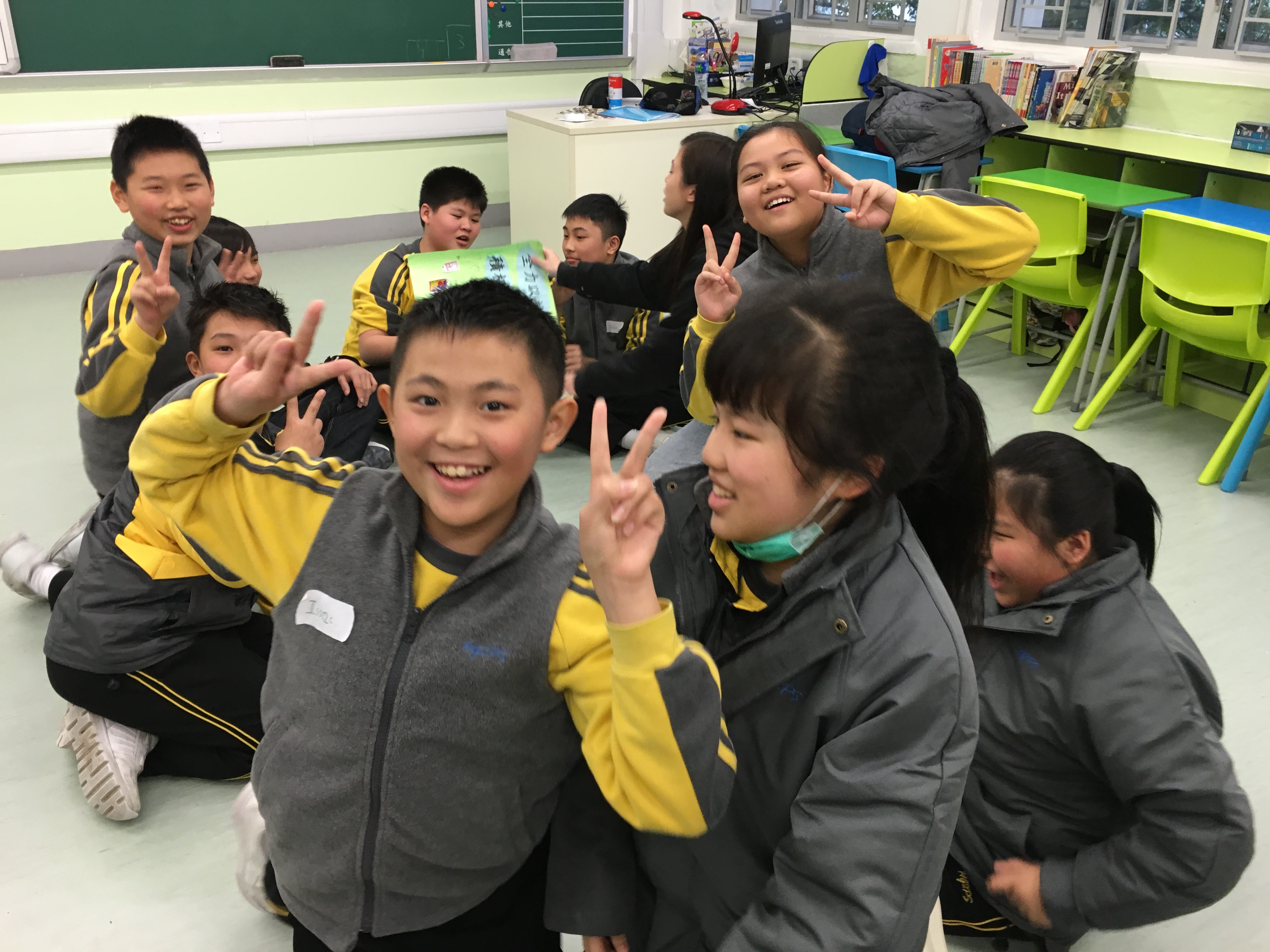
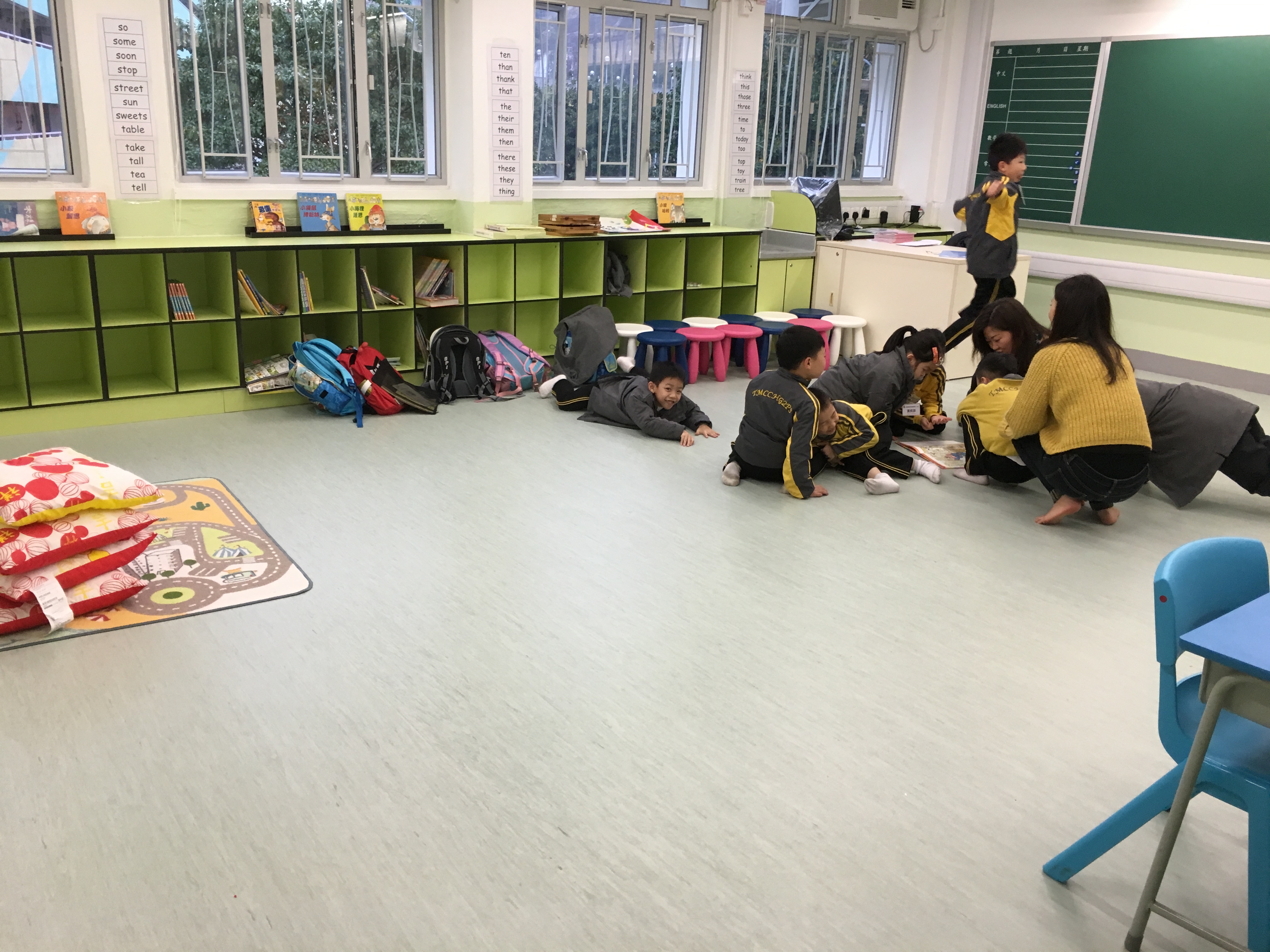
During the travel there were many conversations on possible ways to integrate Finnish edutech tools into Hong Kong, and how to collaborate and learn from each other moving forward. One possibility in school level is twinning between schools. Jalavapuisto School in Espoo as part of Global Innokas Network was planned to begin a partnership with The Mission Covenant Church Holm Glad No. 2 Primary School.

 IMG_0827IMG_0838 IMG_0848 IMG_0843 IMG_0842

In March two visitors from Hong Kong, Stuart Patton, Chairman of Education Committee, Finnish Chamber of Commerce in Hong Kong and Nicholas Wang from EDiversity Committee visited Finland and there was a possibility to visit Jalavapuisto school. Teacher Hanna Mäkynen gave a tour around their school and discussion on partnerships was going on. We’ll stay on waiting to hear more of this school partnership.

IMG_1291[1]

Best wishes from Hong Kong and Global Innokas,

Innokas coordinator Minna


Helsinki meets Oulu and Hankasalmi – thanks to Facetime and Skype

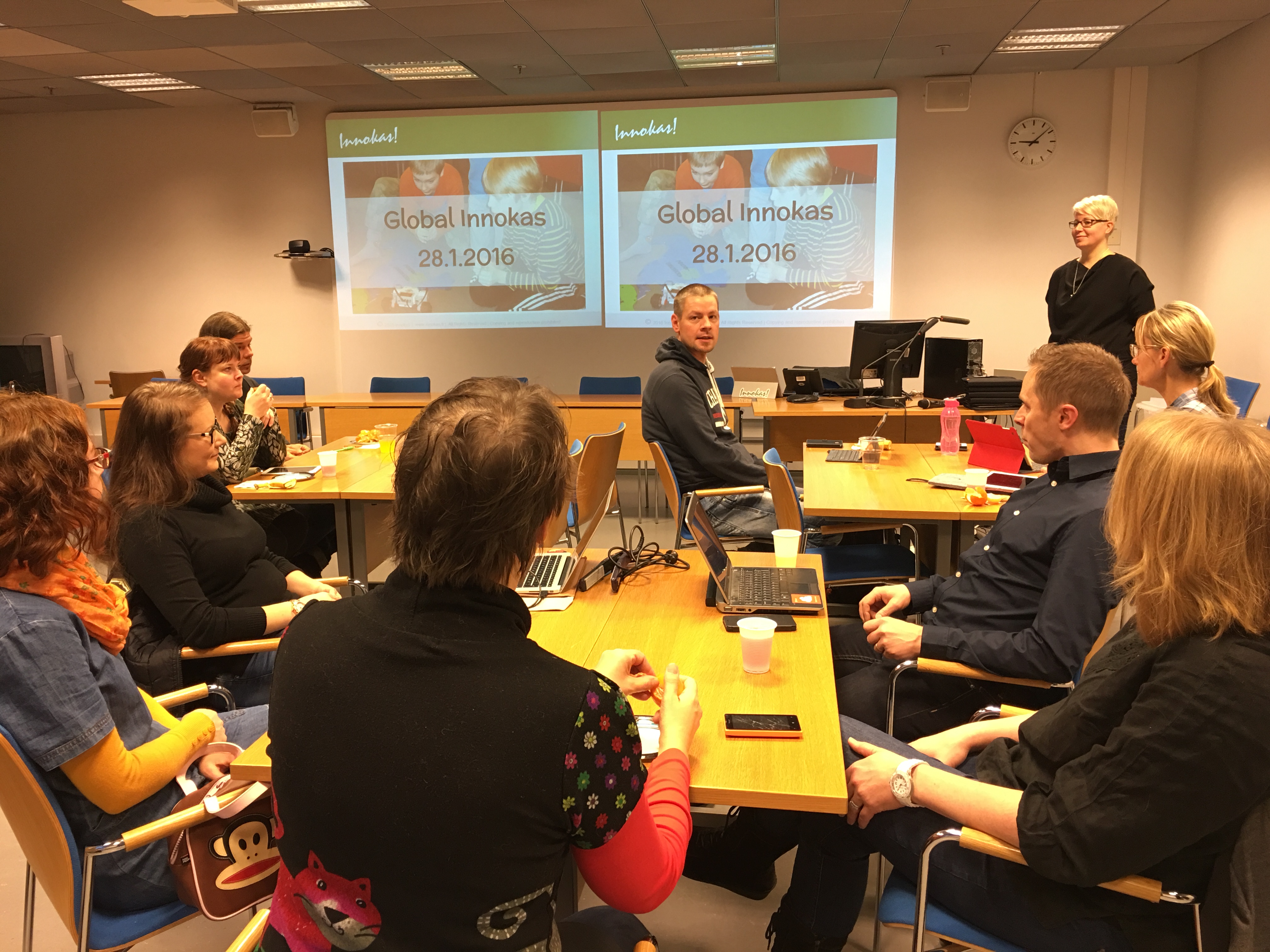
At last Global Innokas -meeting teachers from different parts of Finland gathered together, had great conservations but also built mental bridges together. The idea of ‘Our Neighbour School’ started to grow in teachers’ minds: we decide to connect our classes here in Finland by FaceTime and Skype. We didn’t tell our pupils what part of Finland we were going to connect them; they had an opportunity to make up some questions to find out the city where the other class was.

So during past couple of weeks pupils in Helsinki have been searching Finland. Boys and girls have made little presentations about Helsinki and we will send them to both Oulu and Hankasalmi. Today we saw a wonderful trailer made by Hankasalmi teachers and pupils!

We had difficulties with Skype: weather we saw only picture or just heard voices. We’ll try again! But FaceTime worked fantasticly. Pupils in Helsinki were really exited to talk with pupils from Hankasalmi. This work will continue!

– Raini, SYK

Global Innokas 2016

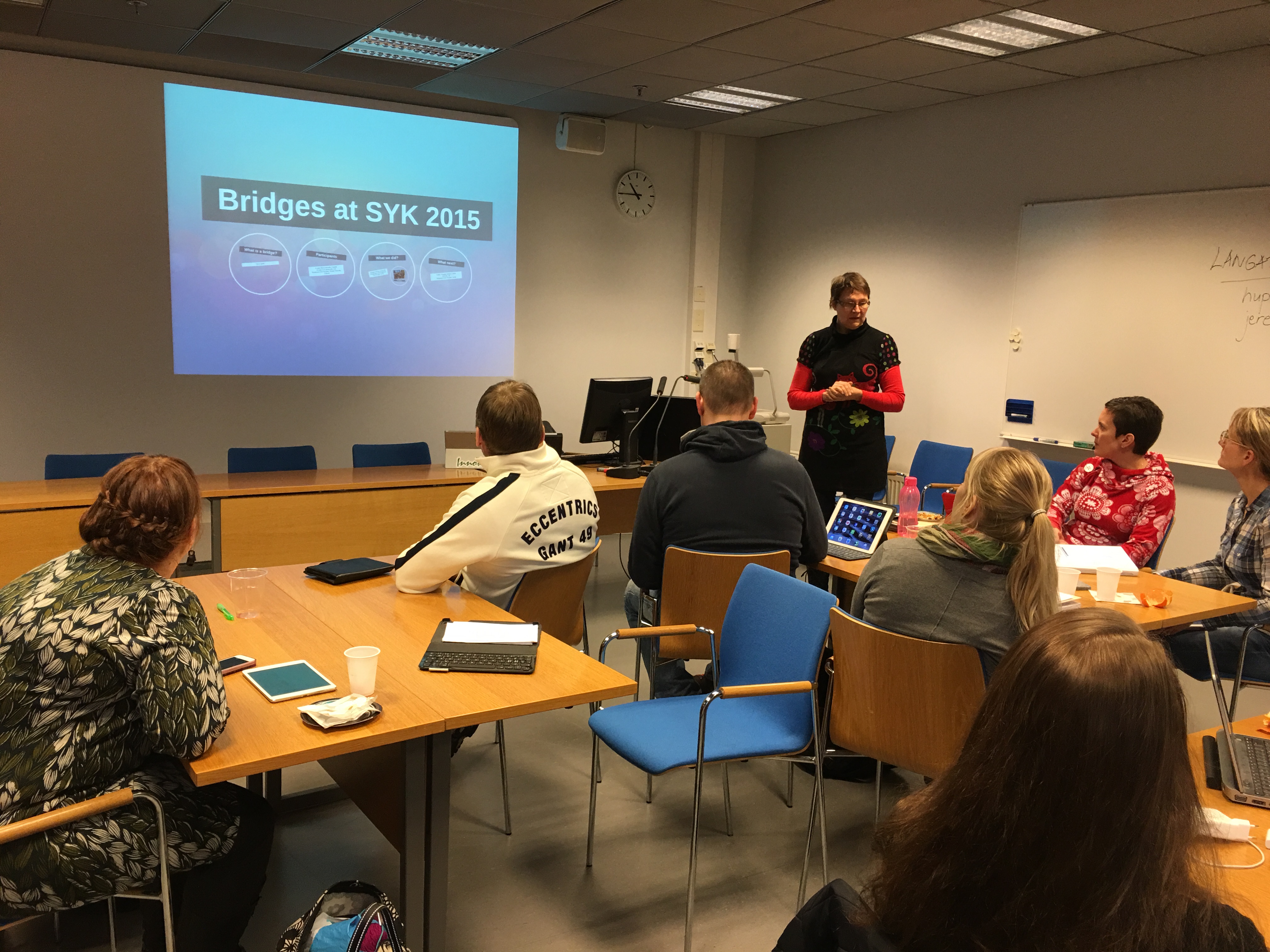
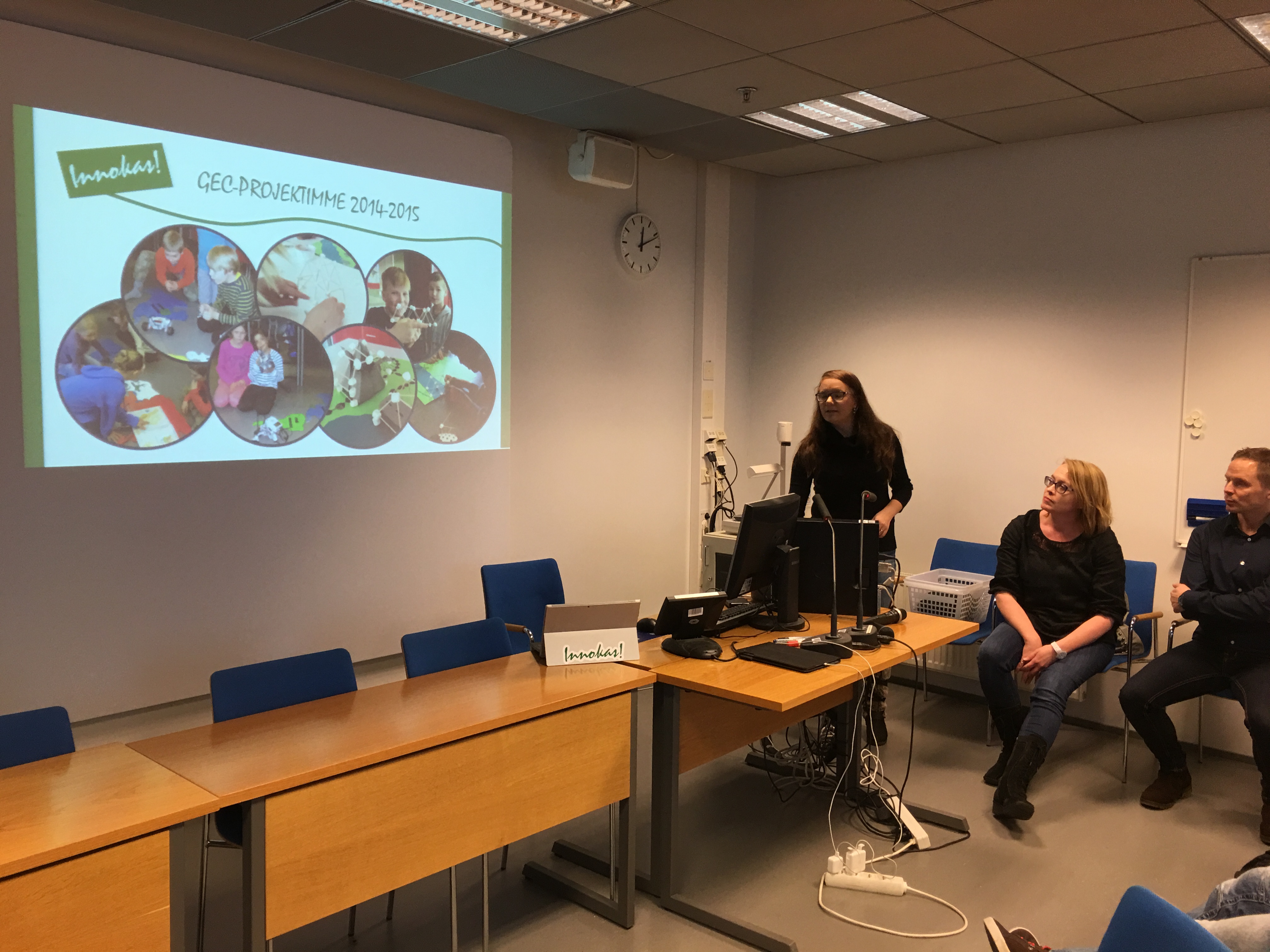
Global Innokas started year 2016 in a meeting with Global Innokas Teachers from all over the Finland. We are happy to have new teachers involved in Global Innokas – warmly welcome to global adventures!

IMG_9979 IMG_9984

In an educational event teachers shared their experiences and good practices in global partnerships. It was really enthusiastic to hear how various kinds of ways students have been involved in global partnerships. Starting points in partnerships have been in getting to know each other and each other’s cultures and ways for living. Technology was used innovatively in partnerships. There were many ways to send greeting to each other. Emails, chats, blogs, shared videos, Skype and various platforms were used to get friends with students all over the world.

IMG_9992 IMG_9994 IMG_9995 IMG_9998

Moreover, becoming term is planned and ideas are shared; welcome Global Innokas Networking 2016! We are waiting for news for becoming ways in partnering. Go teachers and students, you are making a good job!

With Global Innokas Greetings,

Minna, Tiina and Kati