Author Archives: tiinakorhonen

Building GEC, conference day in Finland

Innokas Network and the Department of Teacher Education at University of Helsinki had the great pleasure of organizing the Global Educational Community (GEC) Finland conference day on March 6. During the conference day we promoted GEC to the wider audience in Finland, reflected on previous GEC experiences, and built and modeled GEC in practice.
kuva7   kuva5

During the first session we introduced participants to Global Educational Community background, goals and practice. We also had the opportunity to hear GEC educator and musician Chris Kohn perform his own song “Building Bridges”. GEC leaders Professor Guoli Liang from Wisconsin University and Professor Ann Lieberman from Stanford sent their video greetings, followed by an open mic session between GEC teachers from Australia, USA, China and Finland. GEC teachers learned from each other about the great projects they are doing with students in schools.


Video greetings from professor Guoli Liang


Video greetings from professor Ann Lieberman

We also had the honor to welcome Counsellor of Education Paula Mattila from the Finnish National Board of education as our visiting lecturer. She facilitated a discussion on global education as part of the Finnish National Curriculum and on global education in general.

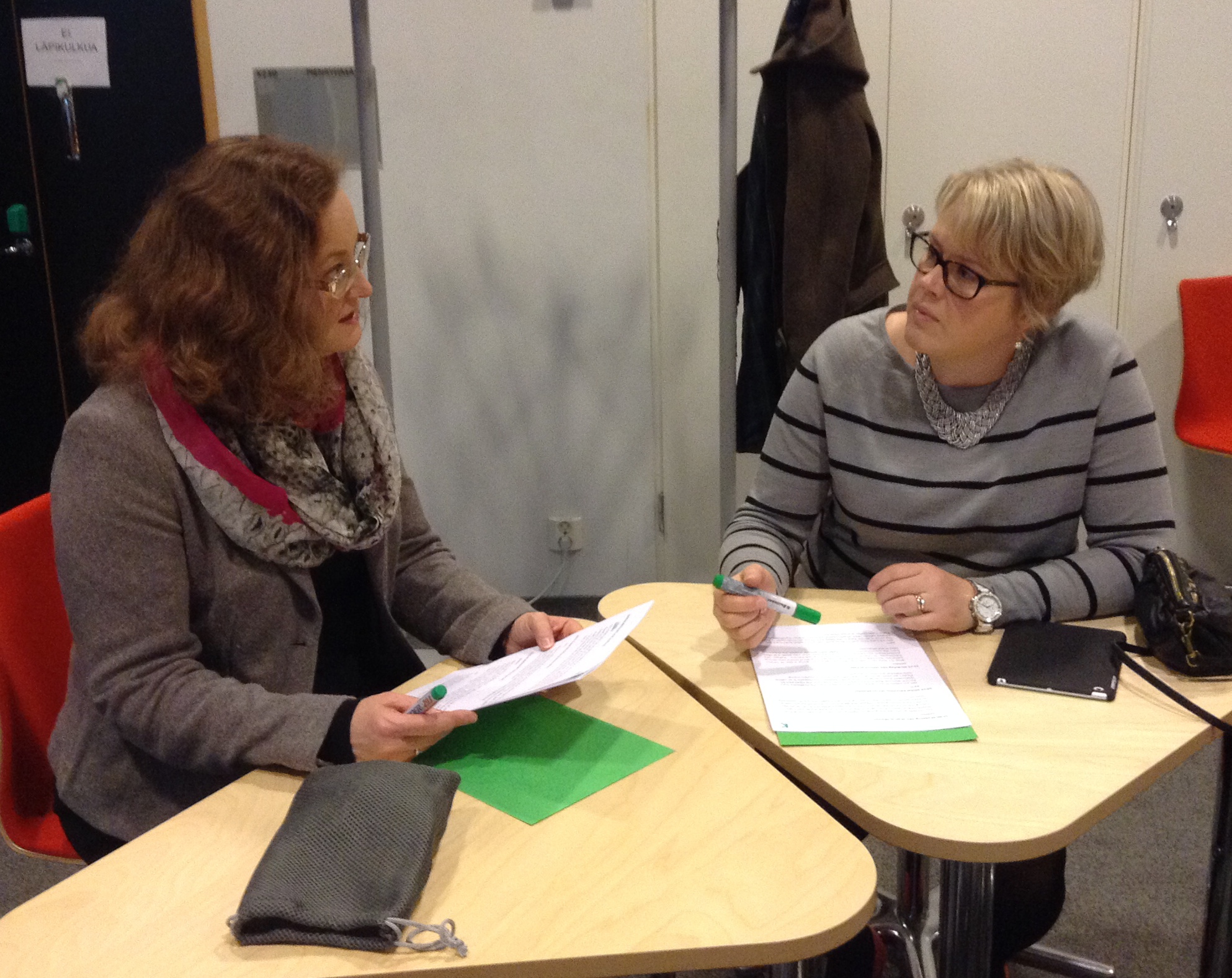
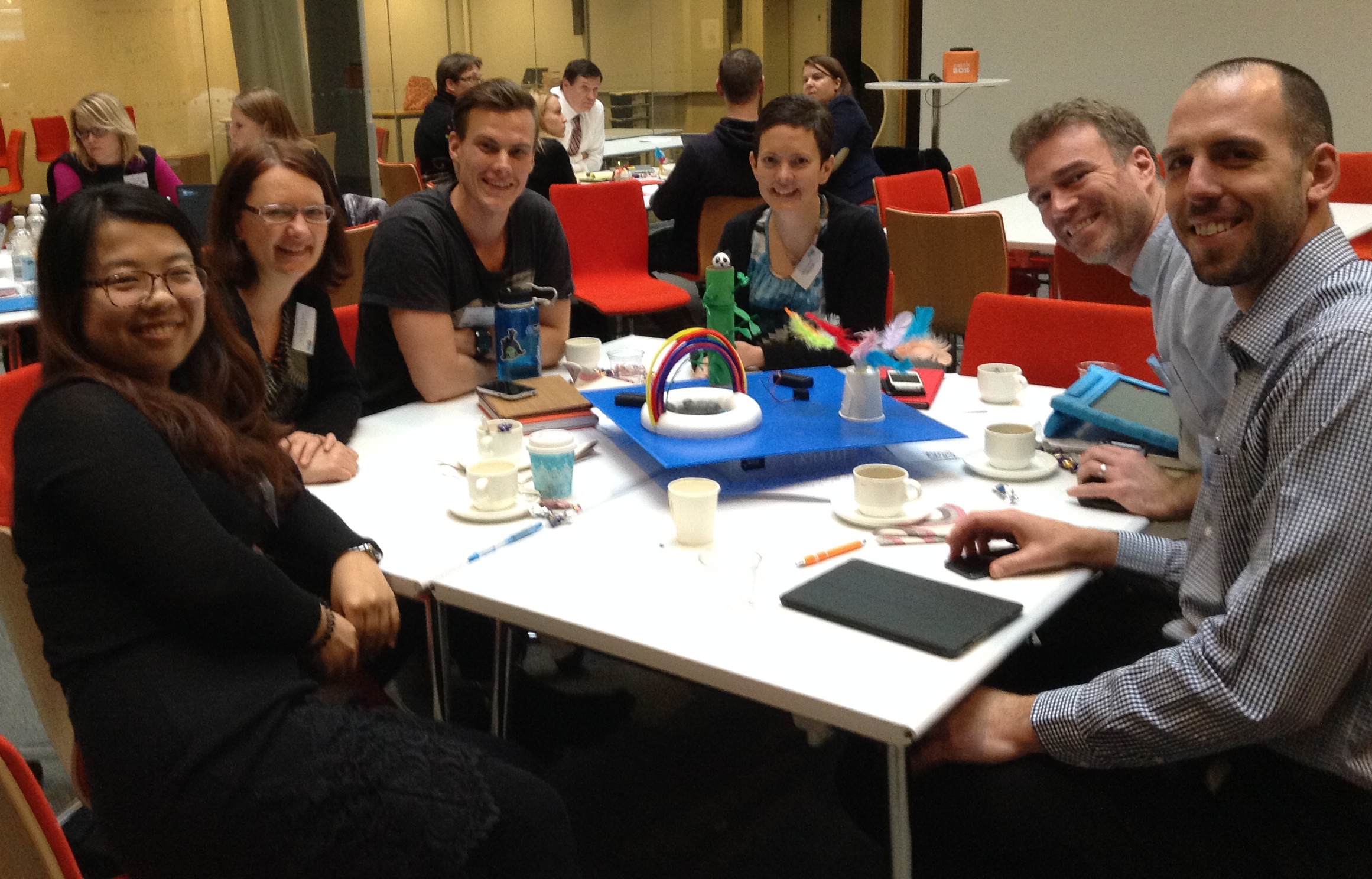
After the opening sessions, conference participants formed global teams, with the task of starting to “model the GEC”. The idea behind the task was that each global team would get to know each other, have an opportunity to discuss the day´s topics and would start to model GEC by using Innovation Education materials and tools. The global teams were so focused in building their GEC models that they almost forgot lunch!

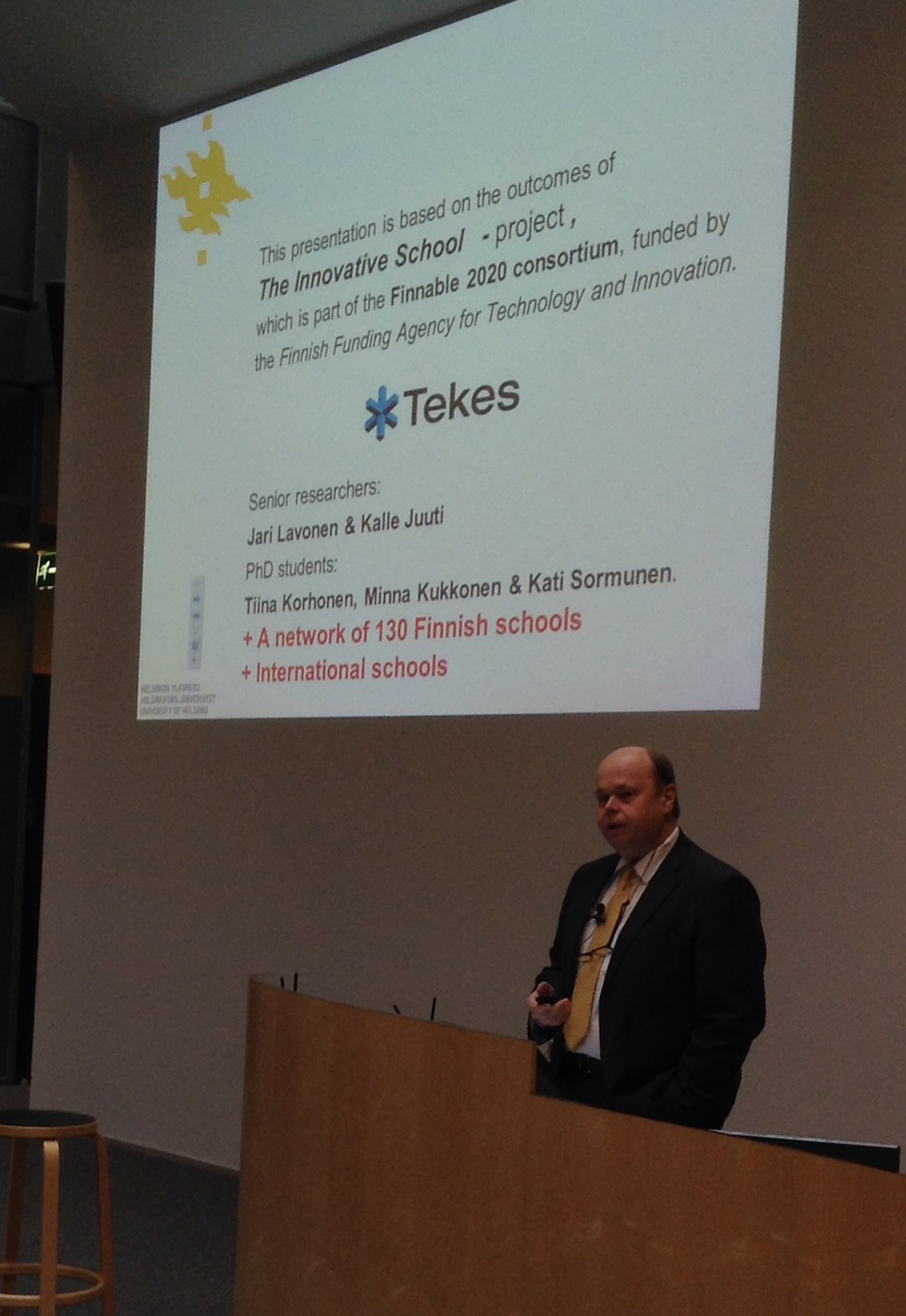
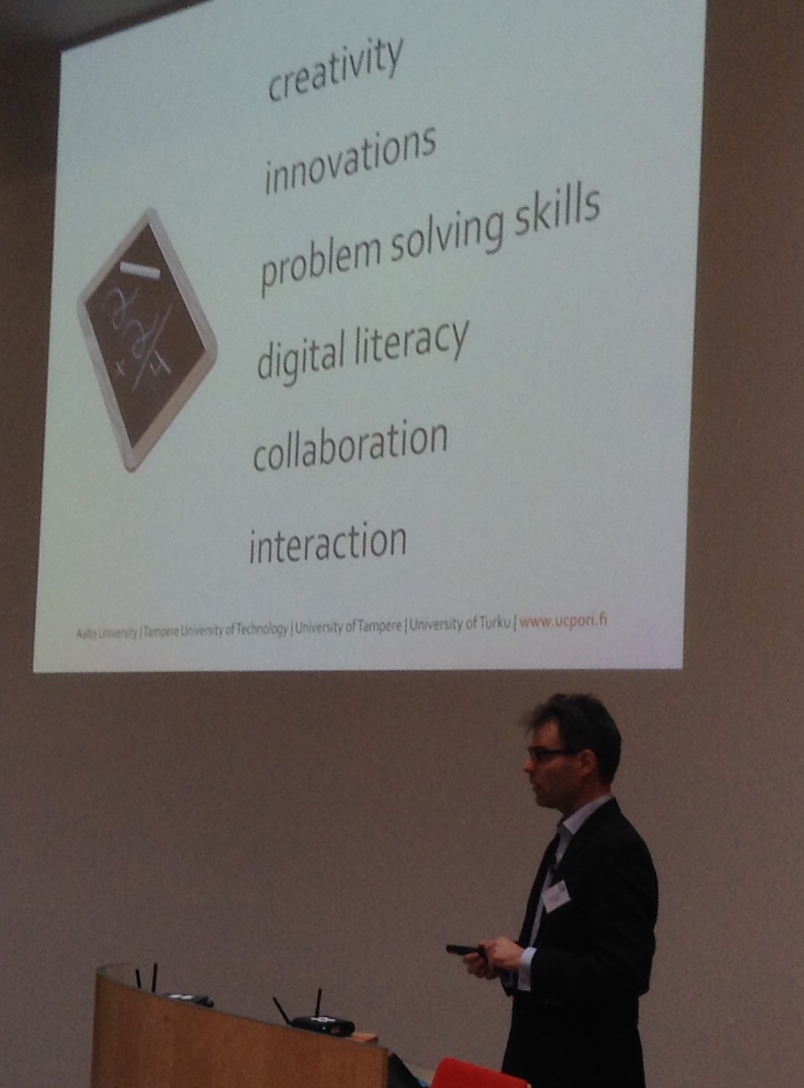
In the afternoon professor Jari Multisilta ran a great presentation about ICT in Global Education, and Professor Jari Lavonen talked about linking the Innovative School model with global education. Tiina Korhonen, the Head of Innokas Network, summarized the Innovation Education idea and challenged all GEC educators to make learning and operational innovations and share them globally.

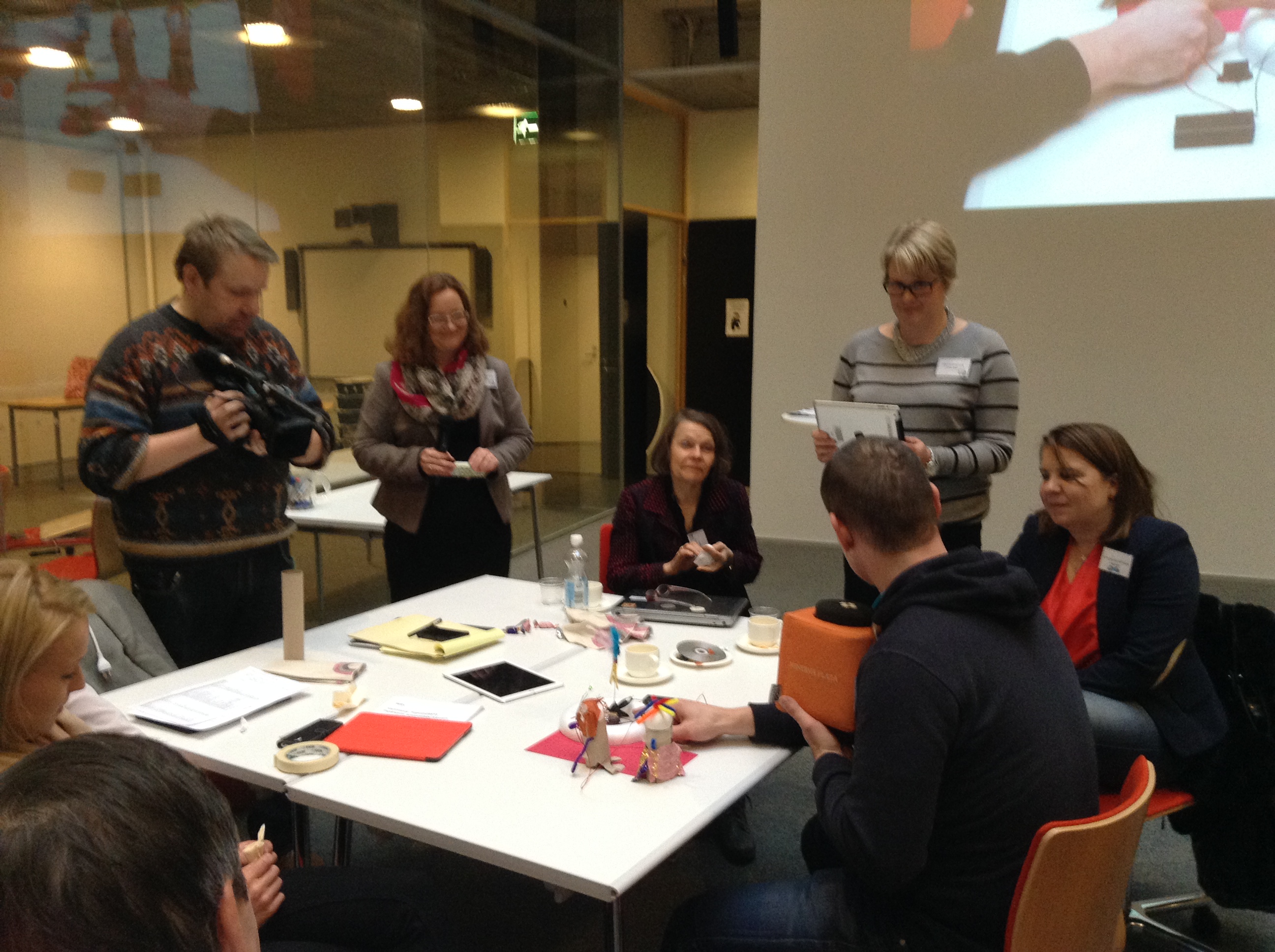
In the last session, each global team finalized their models and presented them, complete with accompanying stories. The models and stories about GEC highlighted the day – what a great idea and needs sharing moment it was! We agreed to share these moments with the larger GEC community.

Kuva1 kuva8 kuva4 kuva3 kuva2 kuva1

It´s a great to be part of GEC and to build it together with you. The next step is to build strong partnerships with schools, teachers and students to make global education a part of everyday school life. We’ll have our next meetings next summer in China (summer conference) and a GEC Finland meeting in September.

If you are interested in joining GEC please don´t hesitate to contact us!

Best,
Tiina, Kati and Minna
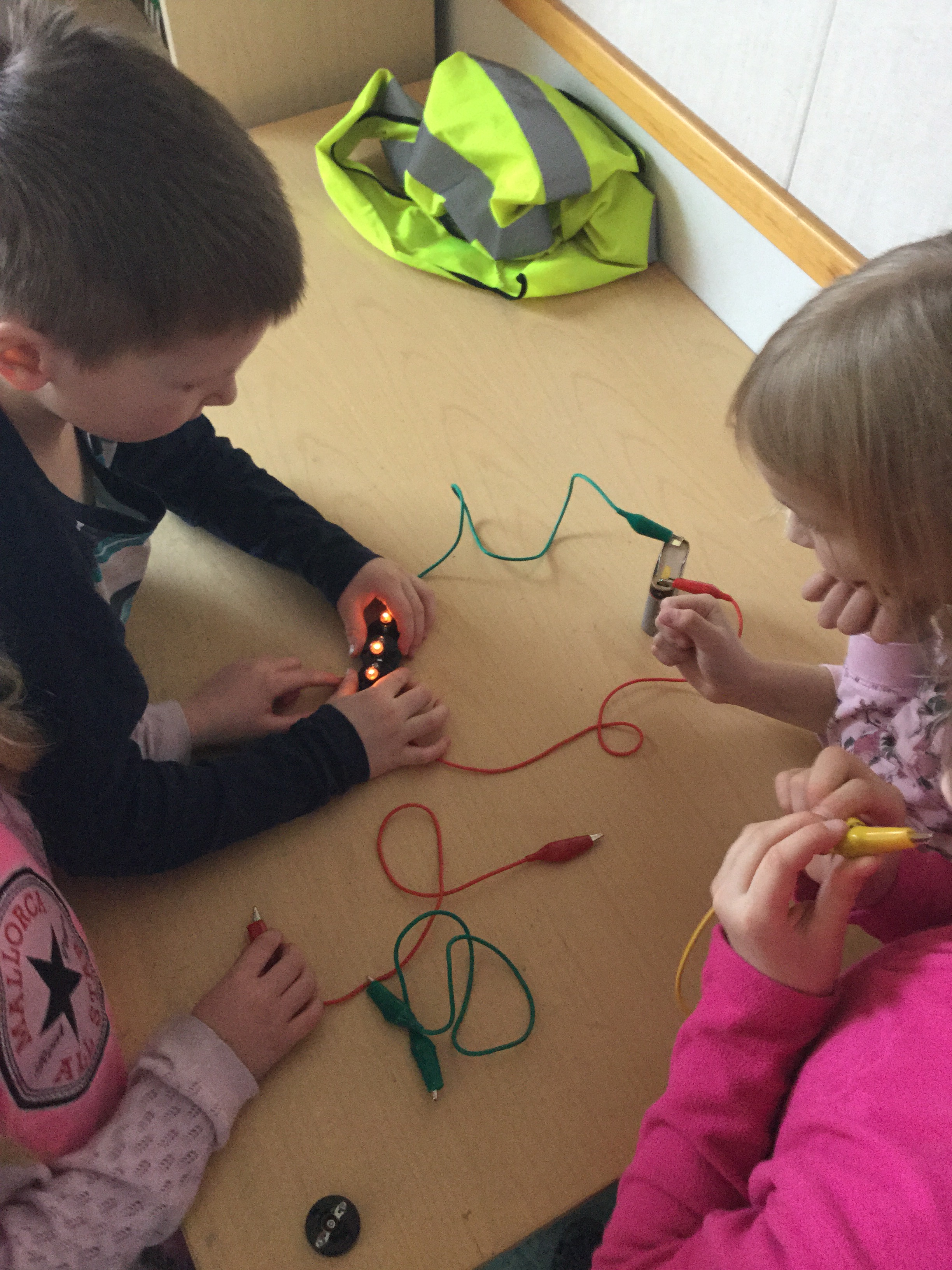
Electric circuits with seven-year-olds

We had a great joy to get a visitor from Boston in to our class. And not just a random visitor but a friendly, ethusiastic physics teacher Stacy who actually knew a Little Finnish!:)

img_0157
First we studied how the circuits work and made some tests.Kids were thrilled!They weren’t afraid of trying  and they didn’t even realize that they were studying physics.

img_0167
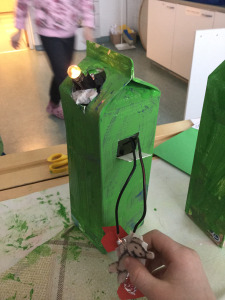
After studying we applied the things we’ve learned into real life by making cool gadgets as “the answering light” or “space”. The answering light is very useful in the classroom because by using it, students won’t have to raise their hands anymore. (According to the professional opinion of a 1st grader.) One just switches on the light that stands on her desk and the teacher sees it. In this particular gadget, the switch actually consists of two parts: a teddy-bear and a car. When the teddy is placed on the car , the light lights up! See the picture below.

img_0210

As a teacher, I hope that the future learning and future school could be more like the two days’ experience we had: Full of joy without having the fear of failure even when facing new challenging things to study.

I’d like to see my class bubbling creativity and enthusiasm again!

Class 1.A and teacher Anna-Kristiina,

Ylikylä School, Rovaniemi


We’ve had lots of fun!

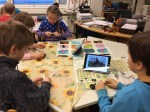
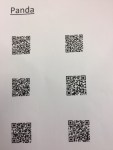
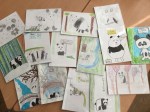
We are going to make animations about the panda. First we used the ipads to see what a panda looks like. Then we made small pandas from silk clay. They came out very nicely! The animation will tell different facts about the pandas. We looked for these facts from the internet. Our teacher had searched for links and put them on qr-codes which we opened with the qr-code reader. Then we wrote about the pandas to our new panda notebooks. We got to decorate them ourselves.

3K, Jalavapuisto school, Espoo, Finland


Building Global Educational Community Bridges and Network

Global Educational Community (GEC) teachers from Finland met in January 2015. The goal of the meeting was to get to know each other, plan becoming projects with schools around the world and get familiar with revised Finnish curriculum and especially international and global aims in it.To be active in GEC really fulfills many aims of Finnish new curriculum- in both the home internationality and the global internationality. It is really a pleasure to network with other people and countries around the world to share and take responsibility for the common world together.

Finnish teachers started to plan becoming projects about either Pandas or Flying objects during this meeting.Finnish teachers were also given partnership schools and teachers from USA, Australia and moreover, we are waiting for ones in China. Getting familiar with partner schools and their culture at schools and in countries will begin in contacting each other by emails and Skype-meetings. Some teachers might meet each other in GEC conference in Finland in March. The second possibility to meet face to face and present some best practices in co-projects is in the conference held in Beijing in July this year.

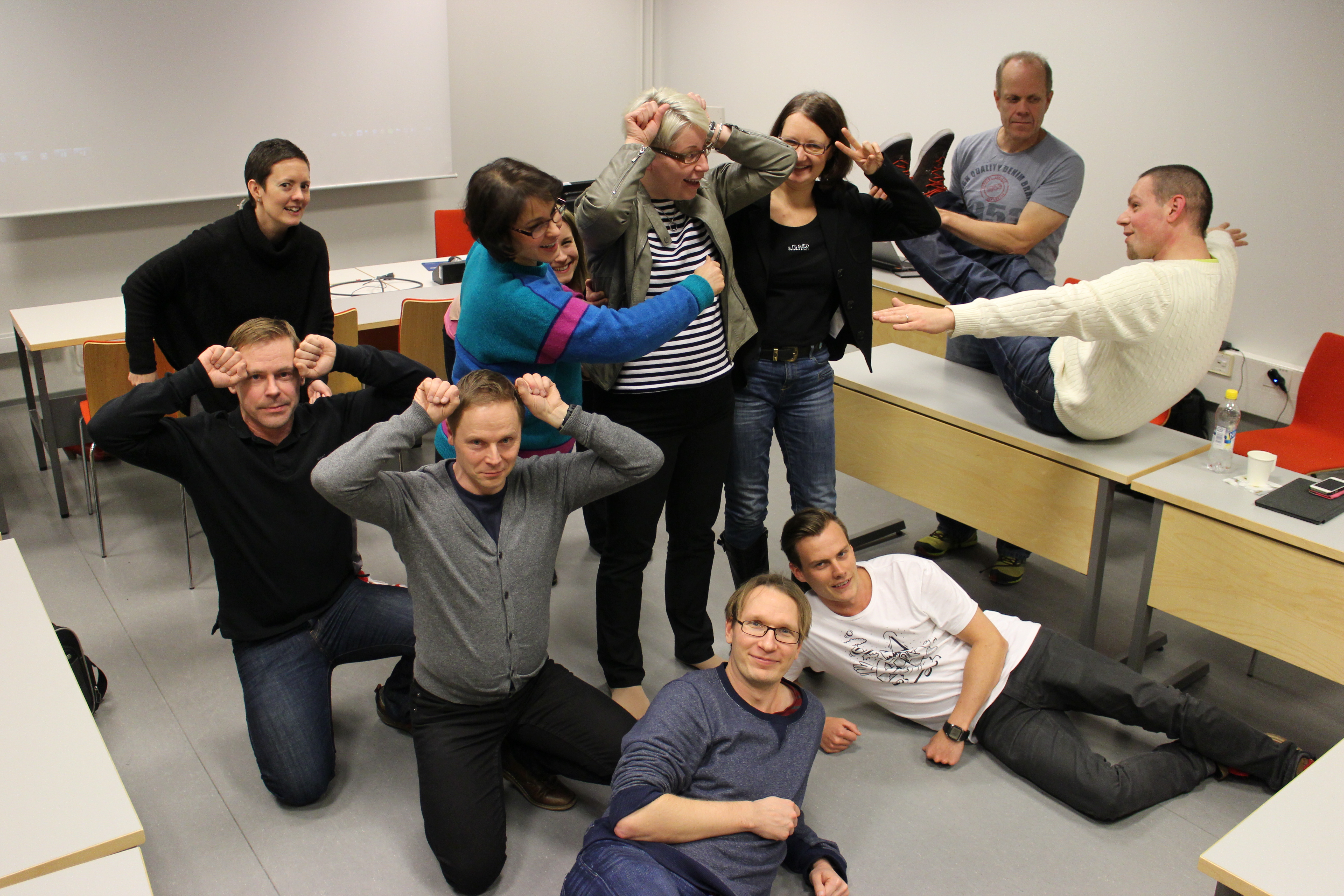
I wish you positive experiences in global networking by a photo of smiling Finnish teachers making a statue by drama about GEC, how many pandas you can find there?

GEC-patsas

Minna Kukkonen, Innokas-coordinator from Finland

Greetings from Washington!

I got an opportunity to participate in the summit organized by the Sutton Trust and the Bill and Melinda Gates Foundation in November 2014. The goal of the summit was to learn from one another how to create and sustain high quality teaching feedback and professional learning systems. The event was interesting and I learned a lot even though most of the examples are hard to implement into Finnish education system. Many educators were interested in our team-teaching model. We discussed what kinds of structures and resources are needed. Hopefully we were able to convince as many as possible.

kuva4

The best part of the summit was meeting the educators from all over the world. The most memorable discussion I had with Australian principal Ray Trotter. His Wooranna Parks Primary School resembled a lot our Koulumestari School from Finland. They teach in teams, some pupils tutor others and they use a lot of ICT and robotics in their lessons. Mr Trotter introduced me Dr. David Thornburg’s ‘holodeck’ classroom, an environment that supports project-based learning. At Wooranna Parks Primary School they use videos like Enigma Portal in their projects. I have used similar kinds of videos in my lessons and with teacher-training courses as motivators. I think that this method develops problem-solving skills in many ways.

Innokas-coordinator Kati

Research collaboration with the FabLab@schools

In 2014 we started the research collaboration with the FabLab@School. The research’s focus is to identify students’ skills to cope in everyday situations that require technology. FabLab@schools have started the research in the United States (1000 pupils) and now Finnish and Danish students are participating also.

The FabLab@School is a worldwide growing network of educational digital fabrications labs, especially designed for schools and children. It has been created by Prof. Paulo Blikstein at Stanford for middle and high school students (https://tltl.stanford.edu/project/fablabschool). The work that the FabLab@School does resembles a lot what Innokas Network is doing in Finland with elementary and middle school students.

Kati and Tiina from Innokas Network

Espoo Moon Festival 2014

In September 2014 we participated in the Chinese moon festival in Finland. It was organized by the City of Espoo with its key partners. During the evening we got to know more about the collaboration between Espoo and Shanghai. We also had an opportunity to share our experiences from Bridges Conference in Chongqing, China.

kuva3

Tiina, Minna and Kati from Innokas Network

Cradle to career conference in USA, Minneapolis

Innokas Network and the Innovative School Model was introduced in Minneapolis in Cradle to Career Conference at the University of Minnesota (University of Minnesota, Carlson School of Management). The conference was part of FinnFest 2014 event. Tiina Korhonen, the Head of Innokas Network and Innokas Coordinator Minna Kukkonen’s presentation aroused thoughts of questions like ‘What is learning in 2020’ and ‘How does an Innovative School look like’. To answer these questions The Innovative School model was introduced through many practical examples.

There were many presentations about the Finnish school system. The Minister of Education and Culture, Krista Kiuru was present through a video greetings and moreover, we had presentations from the Ministry of Education and Culture International Relations Director Jaana Palojärvi, Professor Pasi Sahlberg and Rovio CMO Peter Vesterbacka. The joy of learning, the increasing of motivation and equal learning opportunities were the topics for speeches and discussions. The conference opened the USA – Finnish cooperation opportunities and, above all, shared experiences and ideas of reciprocity of good practices. It was interesting to hear about local schools and the education system both in Finland and in the United States. Lifelong learning, inspiration in learning and learning in 21st century touched us all, individually and collectively!

It was a pleasure to meet many wonderful persons and share many enthusiastic ideas. Networking is great!

Innokas-coordinator Minna from Finland

Global Educational Community Conference in China

My colleagues and I had an opportunity to participate in Bridges-project last spring. The project was organized by international Network called Global Educational Community (GEC). Particopants comes  from China, United States, Singapore, Australia and Finland. The network’s main goal is to develop learning, teaching and leading at the school level. In each of the participating countries teachers and pupils carried out a bridge themed project during the spring 2014. The process was documented and shared regularly online (http://www.ibridgelearn.net/show.php?id=70). We introduced our project in GEC/Bridges conference in July 2014 in Chongqing, China.

The first part of the conference focused on knowledge sharing. We saw many interesting projects that Chinese pupils and classes from other countries had done. We Finns had presentations of team-teaching, project based learning (PBL) and mobile learning. We listened great keynote speeches and participated in project based learning workshops.

kuva1

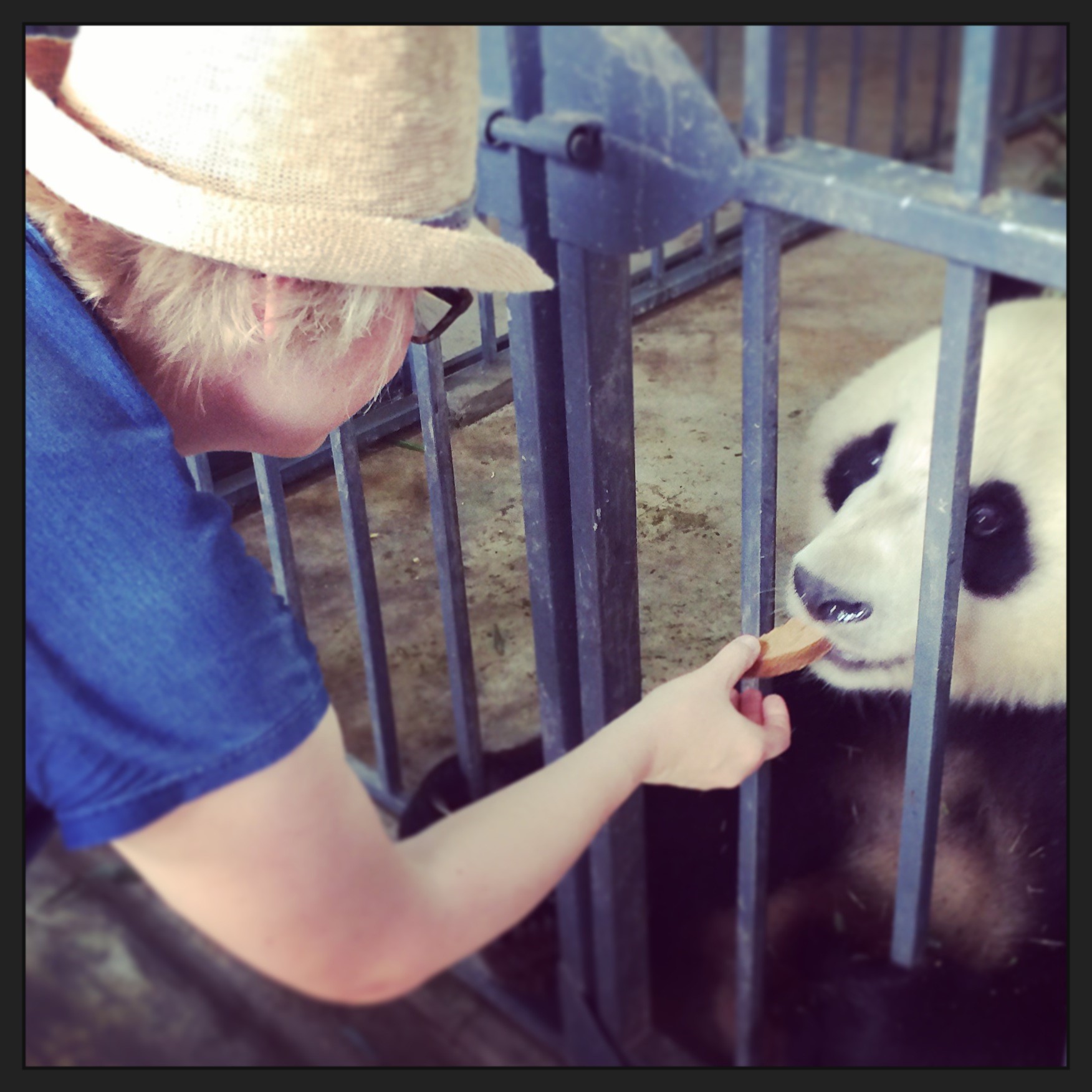
At the second part of the journey we travelled to Chengdu where we visited Panda reservation and got a possibility to care pandas. We cleaned their cages, fed them and baked panda-bread for them. We also planned Panda-project which GEC schools will start during 2015 .

kuva 2

Innokas-coordinator Kati from Finland

Robotics news from Silverton Primary School

Silverton Primary School students and teachers are taking part within the Global Innokas Network project, looking at how to best implement Robotics into the curriculum. There has also been a excursion planned to show the students how robotics is used in the real world. Please find our Robotics news from our website: http://www.silverrobots.net/

Silverton2

Regards
Ben Eilenberg, Vanessa Jefferson and the students, Silverton Primary School, Australia