The Project of the Kitchen Waste

nayttokuva-2016-12-12-kello-10-09-20

In this update I’ll shortly tell you about the China co-operation which happened in summer 2016, the aims of the co-operation and specially of meeting the Chinese students. Co-operation brought up many new ideas, notices and particularly lovely memories. Making a short blog posting of this material has been slow – What not to write, because everything was so wonderful.

In spring 2016 three Finnish teachers got a Chinese teacher partner as their co-worker pair with The Global Innokas network. Our task as a co-worker pair was to plan and carry out a project which we first carried out in our own country with our own class and again together in the summer conferences in Peking and Shenzhen. The audience of the conferences had opportunity to follow the last lesson of the project and comment on it. The aim of the co-operation was to build understanding by using PBL (Project Basic Learning) to understand differences of cultures and to learn new aspects from each other concerning possibilities of collaboration.
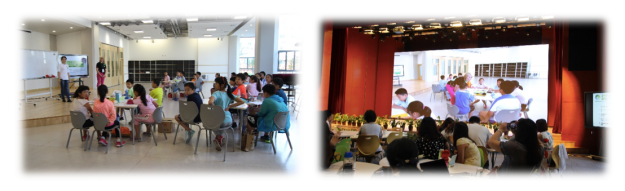
nayttokuva-2016-12-12-kello-10-10-12

Mine and my Chinese partner Kathy’s project theme was Kitchen Waste – recycling and reusing of kitchen waste. The theme was practical and actual enough, so it was also accepted in Kathy’s Chinese team. Our first project theme The Mathematical Forms was rejected by the team as a too abstract. For a Finnish teacher this kind of approval method was strange because we in Finland are used to making decisions more freely without any approval method used by the school management. On the other hand Kathy’s backup team did fine work for example in making teaching videos.

Meeting The Chinese Student

nayttokuva-2016-12-12-kello-10-12-29

The students of both Chinese schools were absolutely sweet, brave and charming. The first meeting with the students of the Peking project class has remained in my mind especially well. There two future students of ours were running sweating from gym class in to our project class and one of them lifted a plastic bag full of recyclable kitchen waste on the table. Immediately without any hesitation we started to chat openly:

– What is your name and where are you hurrying form so sweaty? Oh, you have your recycling material already with your. What have you brought with you?

So, he started showing what kind of kitchen waste he had brought with him. There was an empty beer can among other things. The student told that he had bought the beer can on the way to school and that he had poured the beer on the ground. I wondered in my mind how a fifth grader has been able to buy beer. Kathy reminded the student that too much soda can be fattening. The open and joyful atmosphere of the meeting impressed me at once and I felt cozy and relaxed – this project will succeed.
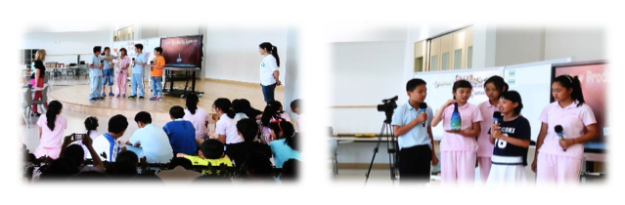
nayttokuva-2016-12-12-kello-10-13-04

The classes were delightful, where everyone participated eagerly and actively. The students used our common language English well and I understood that the knowledge of English had been one of the criteria to get in to this class and this project. Due to students good activity, possibly other criteria were good manners and working skills. During the teamwork it seemed that students had difficulties in sharing ideas and planning together, both of these had to be emphasized before starting to work and have a clarifying discussion on what common planning means. In Shenzen once I had to interfere in children’s tone of conversation and tell them that they lacked common understanding. I asked them to talk in English so I could help them. It looked that a member of the group didn’t want to take others in to consideration at all and others didn’t like the situation. There were also other similar situations in which you could see the children’s difficulty informing one common plan of the group. Many children had planned a fine plan of their own which their wanted to stick to and not to change it because of others’ opinions.

While working the children were able to ground their working finely and tell of their aims. They were eager to tell of their work thoroughly and theoretically. I might miss a bit more spontaneity and a braver desire to experiment. Was the perfection of the result the most important thing?
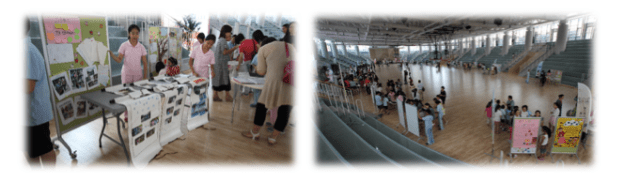
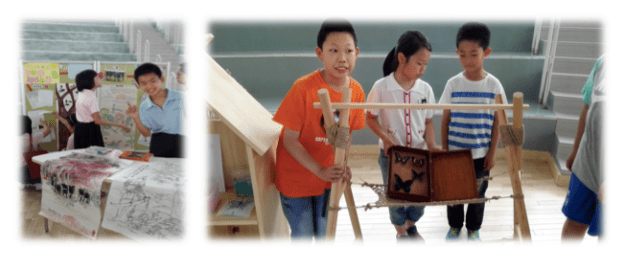
nayttokuva-2016-12-12-kello-10-14-00nayttokuva-2016-12-12-kello-10-13-43

Outside the classroom children looked and giggled what we did and were very eager to help. While we were visiting the Peking school the learning street held there introduced the students’ fine work. As a presenter I got a boy of my project class who guided me by hand form one stand to another. There was almost a dispute of my attention – who will be able introduce his own work to me. Altogether the Chinese children performed briskly and talked loudly in front of the audience.

The most evident thought of the journey was how fluent it was to get along with the students and create interaction despite the differences between the cultural backgrounds. The Finnish and the Chinese school system perhaps approaches children’s capability and individuality from different goals, but despite them children are children anywhere in the world. A smile meets a smile!

The experience of the co-operation with the Chinese colleague was fine and successful! The experience of peeking the Chinese school system was amazing and eyes opening, without saying anything of all possibilities to meet all the friendly and helpful people who I met during the journey. Thank You!

– Minna from Metsokangas Comprehensive School, Oulu, Finland –

Greetings to Santa and friends in Rovaniemi

anu

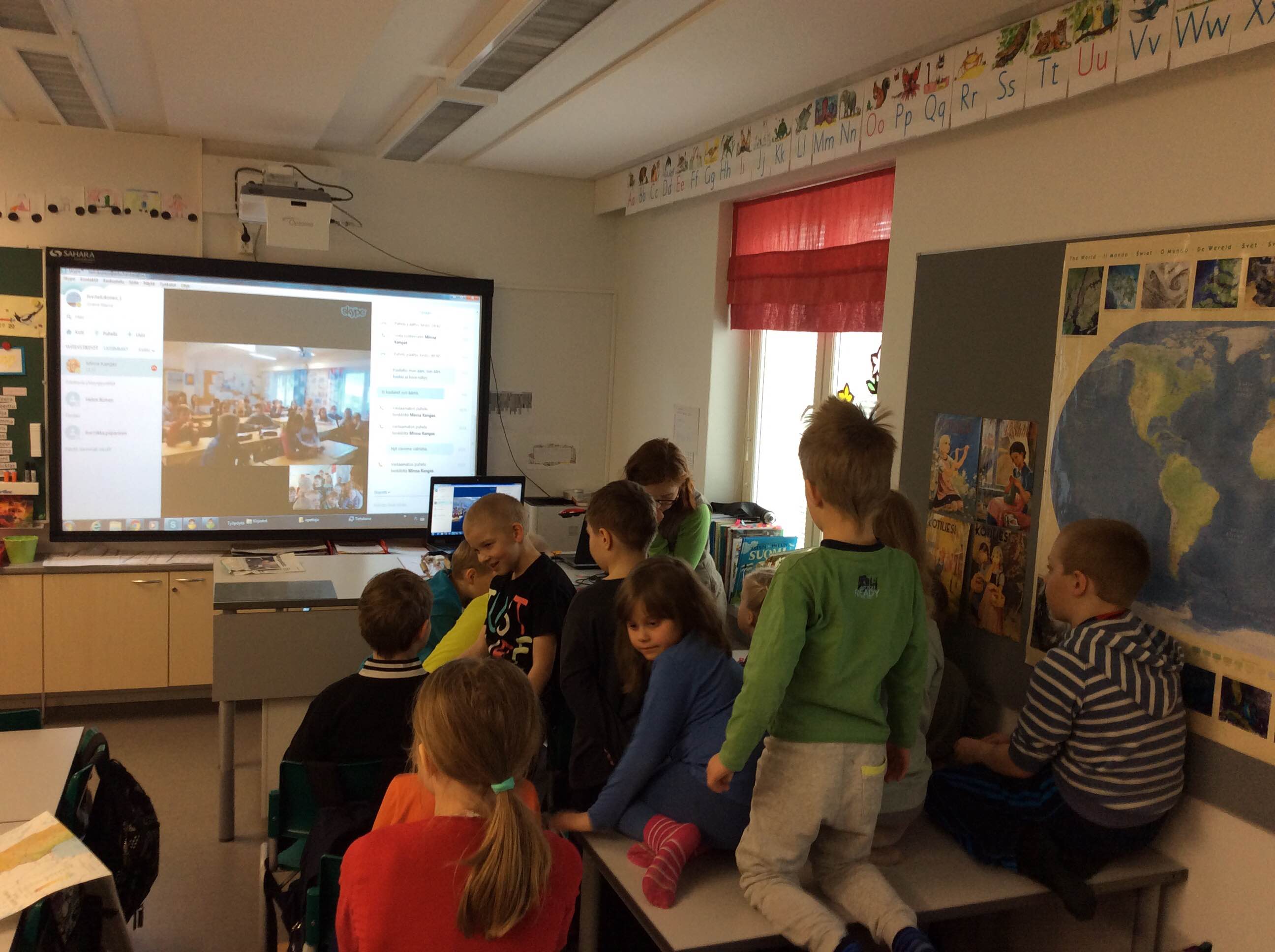
The mystery skype turned out to be not so mysterious after all 🙂 The children from Rovaniemi recognized Anu from the springs Robo Cup -competition in Helsinki and the children from Espoo had read too well the papers on the classroom wall. For on the plan for this years activities and events said “Mystery skype Rovaniemi”. This plan was made in September when the Finnish Global Innokas teachers met in the University of Helsinki. So it only took about 5 minutes and we knew where the others are from. Last minute we remembered that Christmas was closing in and remembered to send greetings to Santa.

Work continued in each end. The children in Jalavapuisto Espoo were very interested in our new friends from Rovaniemi. How old they are and do they also study in a bilingual class. They enjoyed picking a friend to send a Christmas card to. These cards are now on their way and we hope they bring lots of joy to Ounasrinne school’s class 6C.

5K class, Jalavapuisto school, Espoo, Finland

My reflection after visiting Finland primary school

At the early of November, I had chance to go to Finland primary school, this is the place where every basic educator aspire to. The first day in Finland, I had a chance to follow the teachers from Zhongguancun No.3 primary school to Helsinki University and have a conversation with Jari Lavonen and Tiina Korhonen. From this meaningful talking, I knew that the education system in Finland, the way of teacher training, the important qualities in 21st century, teacher cooperation , crucial ability of teachers in school life and so on . I learned that teacher is the very important part in this education system.
liu1

SYK is a historical schooland has its own long storythe basic values of this school is respecttrust and growth as a person. When we come to this school, we had chance to talk with the school principal who told us the background of this school, the school history and the management philosophy and characteristics of this schoolthey pay more attention on the value of open, equality, freedom. Every school has their own education culture. What impressed me the most is the school corridor. In this corridor, it is showing the pictures of school history, school building changesand a special wall which exhibited the people’s names who make contribution to the country construction. This school share the history with students, it is also a very good education resource to encourage students to make greater progress. By understanding history, we can be better developed in every aspect in future life. I also saw the pictures which are very simple color and lines with the shape of door, the principle told us they used to encourage students should continue to progress, be brave, and have courage to open every door in their life.
liu3 liu2In SYK, I spent one week to follow Raini to experience the real school life in Finland, it is very valuable chance for me to know the education in different country, although we have different language and culture background, but we have the same passion for better education and love for children. Raini taught me a lot and answered my questions very patientlyshe tried her best to explain everything in her class, I am very touched! After I graduating from university, I want to be a good teacher and share my thinking with others.
liu4 liu5
In this school, I learned a new learning way is “Phenomenon Based Learning”, this learning way can combine subject knowledge with real life together, children can find the studying point which they are interested. Children enjoy learning, teachers are creative to use different ways to motivate students. Every teacher has their good way to teachand all teachers can be trusted by school, family and society. In the process of learningteacher will have a clear study plan, pay attention to every student, and give special guidance to children. Students can have their own choice to join in or not. In different project phase, the teacher will have different arrangement, teaching method and works exhibition. In this school, I saw all teachers and all children can be treated equally. The atmosphere here is relaxed and fun, but rules are also strictly required.
liu7
In Finland school, technology science is used widely. Every student has their ipad and phone. I had chance to join in a computer courseswe learned how to use an website called ’’Prezi’’ to make a topic presentation which they are interested. In another school, I saw teachers guide students to play an interesting “coding game”, the degree of difficulty according to their grades. They are having fun by learning. In Raini’s class, I saw every students be encouraged to solve the problems by using technology, search the information what they need. It is very good way to learn the knowledge what they can not learn in limited class. I asked a boy ”Can you control yourself not to use your phone and play games in school ?”, the boy answered me: ”I like school very much, I just use my phone when I am allowed to use.” So excellent answer! We should try our best to let children love school, it is the basic explanation for all question.
liu8

From my observation, I know that every teacher at SYK pay much attention on the topic of “environment protection”, from lower grade to higher grade, they all have environmental studies. In fourth grade, teacher led children to know nature in different way, like “nature watch”; in 9th grade, they had an expert teacher to teach them to promote the awareness of environmental protection by using shadow play; in their school activity, I was lucky to see their material recycling Design show, very interesting
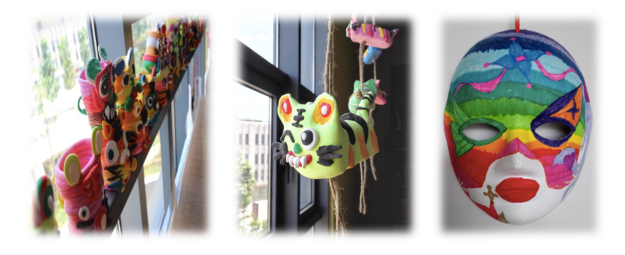
They used very creative way to design the wasted material. This kind of learning related to our real life, the development of society and the world environment, very meaningful!
I think teachers are the most important part in Finland school. In SYK, I saw many nice, warm, talented and experienced teachers. Through talking with Tiina and practicing with Raini, I found that “teacher cooperation” is very useful way to have self-development for teachers. In Raini’s fourth grade, every Wednesday, four teachers will gather together to have a discussionaim to make a new study planshare expericencessolve new problems and so on. In Raini’s study project, she want to help children to know the different weather, temperatureplants and animals in different areas in Finland at the same time, she will cooperate with teachers in different areas, they use video, pictures to know each other, it is very informative way to teach with the way of teacher cooperation. In future work and study life, I will try to make self-improvement, strive to become a professional teacher, and provide better learning resources to my students. Thanks for Raini set a good example for me.
liu10liu9
After half month visiting in Finland, I was deeply impressed by very nice teachers and students. I saw Raini apply drama in their literature study very well, I saw very creative children in the class. I am really grateful for this valuable experience happened in my life, it help me to have better progress. I will work hard in the future, and strive to become a good teacher
BR, LiuJia,  Capital Normal University

Mystery Skype!

image1

We had night school. During night school we had a mystery skype. We called with skype to someone that we didn’t know (well the teacher knew). We could ask “yes/no”-questions from the other class and try to figure out where they are from.

“Do you live in Europe?”

“Is it 8 P.M. Where you are?”

“Do you speak another language than English?”

“Is it hot where you live?”

Just to name a few. We found out that our mystery skype class was calling us from Janesville, Wisconsin, America. Next we are going to get together in Edmodo and get to know each other better.

5K class, Jalavapuisto school, Espoo, Finland

Autumn greetings from Global Innokas!

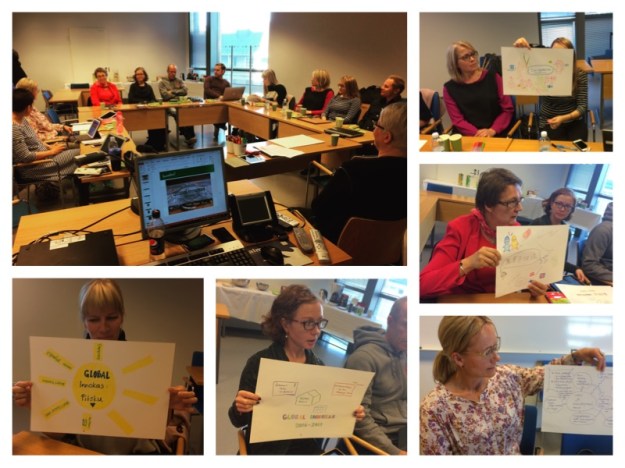
This week our Global Innokas Network experienced global education in many angels. First, we participated in a state grant applicants’ seminar day organised by Finnish Board of Education. We heard speeches of global competences, how to grow up to be global citizen and new sights of language education. We also had an opportunity to connect with actors from Finnish educational field that implement global education in their municipalities. kuva1

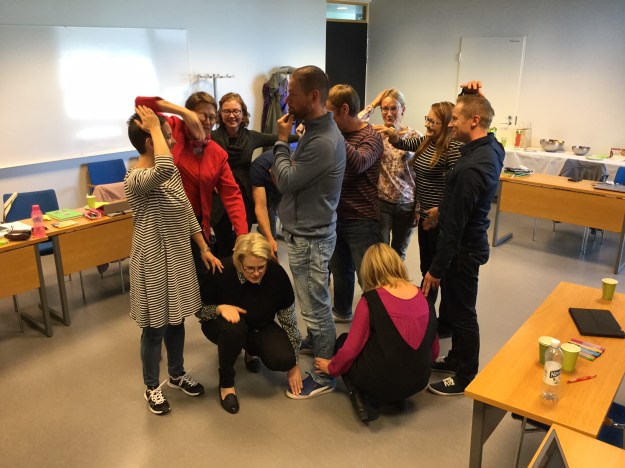
Second, we had a meeting with Finnish Global Innokas teachers in the University of Helsinki. The teachers shared best practices from the last school year and planned this year’s activities and events. Fruitful face-to-face conversations and working together for the same goal is fairly important to teachers as well as us organizers. In such skilful and ingenious group, new kind of educational innovations can truly nourish!

img_5519

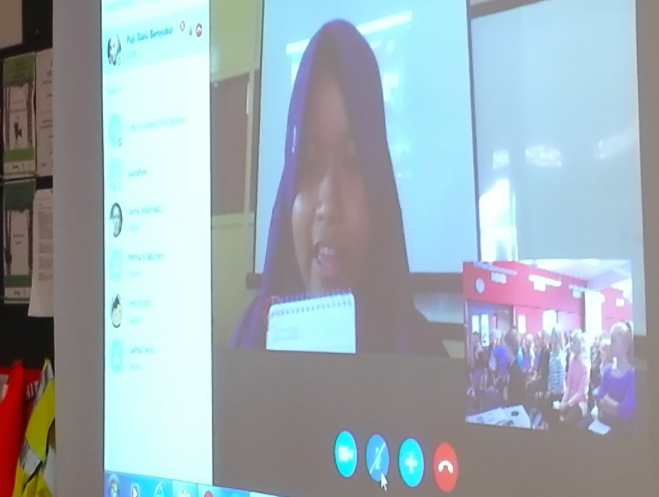
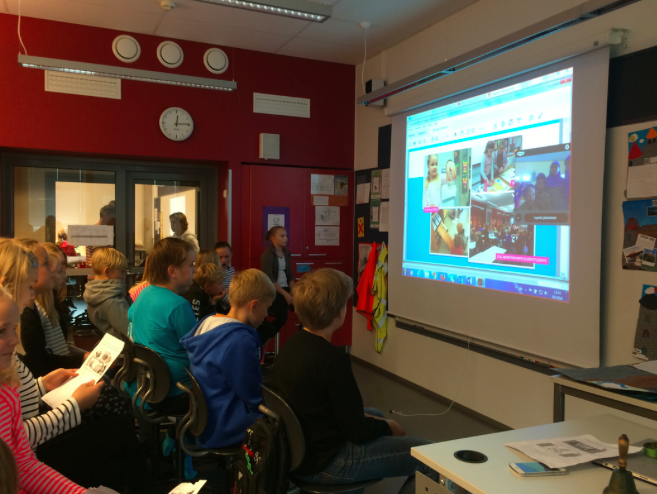
Skype call to Indonesia

nayttokuva-2016-09-20-kello-13-21-12

nayttokuva-2016-09-20-kello-13-31-37

nayttokuva-2016-09-20-kello-13-15-16

nayttokuva-2016-09-20-kello-13-16-12

nayttokuva-2016-09-20-kello-13-20-53

53 students from Metsokangas Comprehensive School had a Skype call to their new friendship class from Indonesia. During the first call students from both countries presented their country, traditional food, dance and daily life. All students were very excited and eager to learn from each other.

Children from Indonesia presented their traditional dance with the traditional costumes and properties.

nayttokuva-2016-09-20-kello-13-15-59

The Finnish students presented the traditional song of Finland.

nayttokuva-2016-09-20-kello-13-21-23

The Skype connections will be continued. Next time our students will present acrobatic show to their new friends.

– Petri and Jaana from Metsokangas Comprehensive School –

Global Innokas Friendships

At the Global Innokas network meeting I met teachers from Helsinki and Oulu. We decided to get familiar with each other’s classes and schools as well as different sides of our country. There would be a school from the capital city (3rd grade), a small school from the countryside (1st grade) and a big school from a town in Northern Finland (5th grade) involved in this partnership. We decided to set FaceTime and Skype connections between the schools. The classes made questions for each other to try and guess the location of the other school and they were only allowed to answer with “yes” or “no”. My class was the first grade and luckily they had the easiest job to figure out the location of the other schools since they were located in big cities. The other two classes had a tougher time trying to guess our location. We also prepared ourselves for the video call by filming the surroundings of our school with iPads and compiled them into an introduction trailer.


The other classes also sent introductions of their hometowns for us to see. We’re planning to continue our collaboration in autumn by sending our ‘friendship classes’ presentations we’ve been making in our environmental studies and Finnish classes.
img_0021 img_0043

Heli, Hankasalmi Asema School

The project of the gliders and flying effect

Screen Shot 2016-06-29 at 13.37.56

Jaana’s and Yiwen’s project was about the gliders and flying effect. The theme came out from the Finnish Curriculum and Yiwen’s will to have a project about gliders. For Jaana this theme was a great option, because Jaana’s and Petri’s students were on the 5th Grade and they studied physical information about the planes and flying effect during the spring 2016, so this project was easily integrated to their physics lessons.

From teachers’ point of view the main point of this project was collaboration between Finnish and Chinese teachers. That was the first time for both of us, so that’s why it was at first quite exciting. We tried to get to know each other via WeChat and in Beijing we started to work together and at the same time we got to know each other better. On the first day we went through our project plan and made decisions how to make gliders. Yiwen also showed Jaana, what kind of glider she had built with her students by using ready cut pieces. Jaana also showed Yiwen, how to fold a simple paper glider. As a common decision we decided to give students an opportunity to choose, how they would make the glider: by using ready cut pieces or folding the glider.

From students’ point of view the main point was to learn group working skills, learn information about the structure of the plane, to learn information about forces which affect to the plane during the flight and also to learn to make a glider by using different kind of materials and also to learn the techniques how to throw the glider.

Screen Shot 2016-06-28 at 15.21.44

Our project plan contained 8 lessons. Lessons from 1-5 contained introduction, studying information about the gliders and flying effect, making mind maps in groups of 3-4 and presenting mind maps. We started this part in Beijing by teaching students the specific words in English and in Chinese, because words were quite new for students. To find correct words in English students used Chinese-English dictionary on iPads. Then they came one by one to the front of the classroom to clue words into the picture of the plane. At the same time we also discussed what is the meaning of each part and students found answers from Internet or just thought what could be the answer and then told their idea to the others. The most important question was, why the planes need all those parts and how those parts affect to the plane and flying effect.

This slideshow requires JavaScript.

After the common start students made mind maps in groups. They got three questions to find out: how do you think each part of the plane affects its flying effect, which forces act on the plane during the take off, gliding and landing and why the plane can fly. To find information students used Baidu on iPads. One student also gave others a tip to find information from the site en.wikipedia.org. That was something new for others, because this time they found information mainly in English, although some of them also found information in Chinese and used Baidu translator to translate it into English or to translate information from English into Chinese. As a teacher I think it was a correct way to find and understand found information, because there were so much specific words that they didn’t know in English or in some cases not even in Chinese.

Students used 3 lessons to make their mind maps. After that they presented their mind maps to others. For them it was exciting that all students had to go to front of the class, not only one. During the presentation they also taught each others by drawing pictures and writing down the most important words f. ex. about the forces that affect to the plane. One group also showed animations from wikipedia about the aileron and elevator.

Screen Shot 2016-06-29 at 12.09.16

In our project plan lessons 6-7 were for making a glider. In Beijing we offered students a possibility to choose, how they would like to make their glider: by using ready cut pieces or by folding a paper glider. On our demo lesson we had a 60 minutes to implement this part, so after a short introduction about our project and information rehearse with students, students started to work in pairs.

Many of our students chose to use ready cut pieces, but there were four eager boys, who would liked to know which one flies better, the folded glider or the glider made by the ready cut pieces. At the beginning of the lesson they thought that ready cut piece glider flies better, but after testing and adjusting their folded glider flow better, even through the open window. 😉

During the testing students also marked down how far their glider flies. Then they had to think about, how to improve their glider to fly further. For this they had a work sheet to draw the altitude and to mark down, how they adjusted their glider. This work sheet worked well and gave students more understanding what they are learning.

Screen Shot 2016-06-29 at 12.07.38

Demo lesson was filmed from each corner of the class room. At first all students were quite excited because of the cameras, but quite quickly everyone forgot all the cameras. The audience followed our lesson in the hall next to our classroom. After our lesson we teachers went to stage to tell more about our project and about evaluation. All slides we made in both languages and all questions and answers we got and gave also in both languages. That way all members in audience understood what we want to say. Tiina and audience also asked us about our project and collaboration. Jaana answered all in English and Yiwen translated it into Chinese.

In Shenzhen we had a same kind of project, but in there their own teacher had started the project by making mind maps with her students. On the first day we had 4 lessons with the students and during those lessons students got to know information about Finland, made posters about the differences and similarities between the Finnish and Chinese schools and after that we taught them information about the gliders and flying effect. This time Yiwen taught them more in Chinese than in Beijing, because the students in Shenzhen were younger and they didn’t know so much about the theme in English. After the common start students continued working with their mind maps. Many of them made their mind maps both in Chinese and English, because writing everything in English was quite hard for them, they were so young. After finishing the mind maps they presented them to others in English. One boy was a translator for some groups, because they were so shy to have their presentation in English. This kind of collaboration worked well and every group could have their presentation.

On the demo lesson in Shenzhen we had the same PowerPoint introduction than in Beijing in both languages and after that a short rehearse about the main parts of the plane in English. After that we taught students how to fold a simple paper plane. After that we told them about the schedule and they started to fold planes by using different kind of papers. They also had a work sheet such like in Beijing. During the testing students noticed that the paper can’t be too thin or too thick, so they had to test which paper could be the best option for folding.

Screen Shot 2016-06-29 at 14.10.37 Screen Shot 2016-06-29 at 14.11.58

For me as a Finnish teacher this experience was amazing and this opened my eyes to see the meaning of the global collaboration deeper! It was nice to collaborate with the Chinese teacher Yiwen, all students, all professors from Beijing and also I learned a lot of Chinese culture and school system. I think I also learned, how to plan and have project with teacher who I haven’t known long – collaboration doesn’t depend on how well you know your partner, but it depends on how much you want to work together and find the common understanding.

My deepest will is to have more collaboration with Yiwen next year. 🙂

Planning the project plan and starting the collaboration

Raini and Sienna, Minna and Kathy and Jaana and Yiwen kept in touch during the Spring 2016 via WeChat. WeChat was the best option, because it worked both in China and Finland. It was also possible to use the Web WeChat with the computer, so it made communicating and sending attachments more convenient.

In China the volunteers also created the Finland-China chat group, that we used to communicate and share information about the conference. Tiina, Raini, Minna and Jaana also had their own group, that was easy way to keep in touch and share pictures while everyone was in the different school building.

Screen Shot 2016-06-23 at 08.47.41

All Finnish-Chinese co-worker pairs wrote their project plan together about the theme that was suitable for both countries, for the students of both teachers and also for professors and team leaders in both countries. During the Spring all pairs chatted, sent attachments, shared ideas, improved the project plan many times and also Minna and Raini had a few Facetime voice calls with their partners before the Finnish team arrived in Beijing.

Screen Shot 2016-06-23 at 10.57.28

Screen Shot 2016-06-23 at 11.00.10

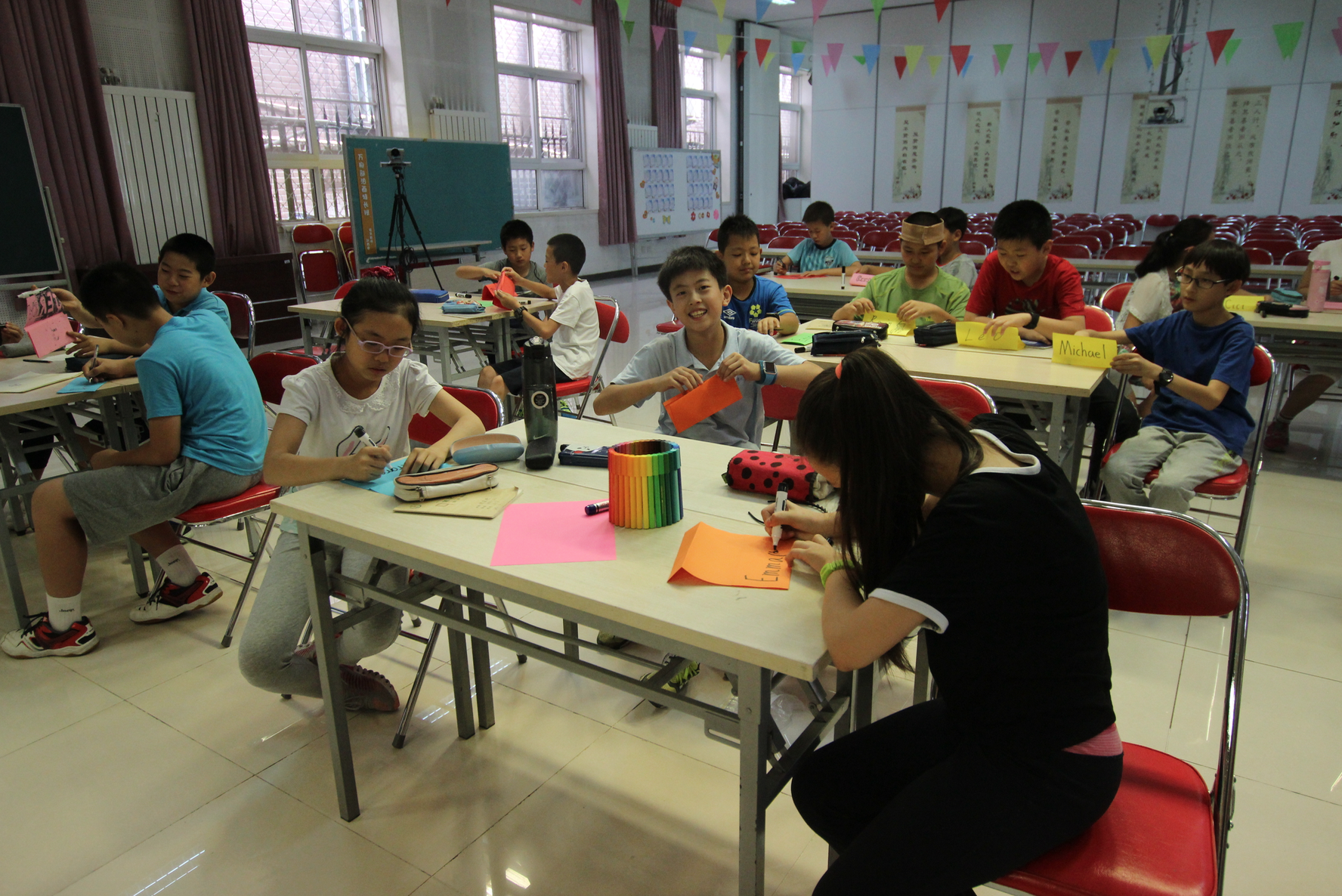
After arriving in Beijing the Finnish team meet their Chinese partners for the first time. It was exciting moment for them all! After talking and getting know each other a little bit better, pairs started their work with students. All 25 students were at first very excited, because they didn’t know each other or even the Chinese teacher. That’s why on the first lesson we had to get to know each other by playing different kind of “getting know each other” games. The students also made the name tags by using their English name.

All teachers and students worked together in Beijing for 3-4 days before the demo lesson. During working Chinese professors and Tiina gave them advices how to improve their project and also told them how well all pairs worked together. It was nice to get positive feedback, because all teachers worked hard before and after arriving in Beijing.

This slideshow requires JavaScript.

After every hard working day we had dinner with Chinese or Americans. In Beijing we got a chance to have a dinner in Mongolian Hot Pot restaurant. Guali ordered us the traditional Chinese food, f. ex. boiled chicken legs – that was new for all of us. During the dinner time we enjoyed also a traditional Chinese performance and saw how the noodles were made longer and longer. On the another evening we had dinner with our Chinese teacher partners. Then we tasted the Beijing roasted duck – it was so delicious and we also liked a lot of the dessert called “Bomb”.

The 4th GEC Conference in Beijing

Screen Shot 2016-06-21 at 08.11.34

yhteiskuva

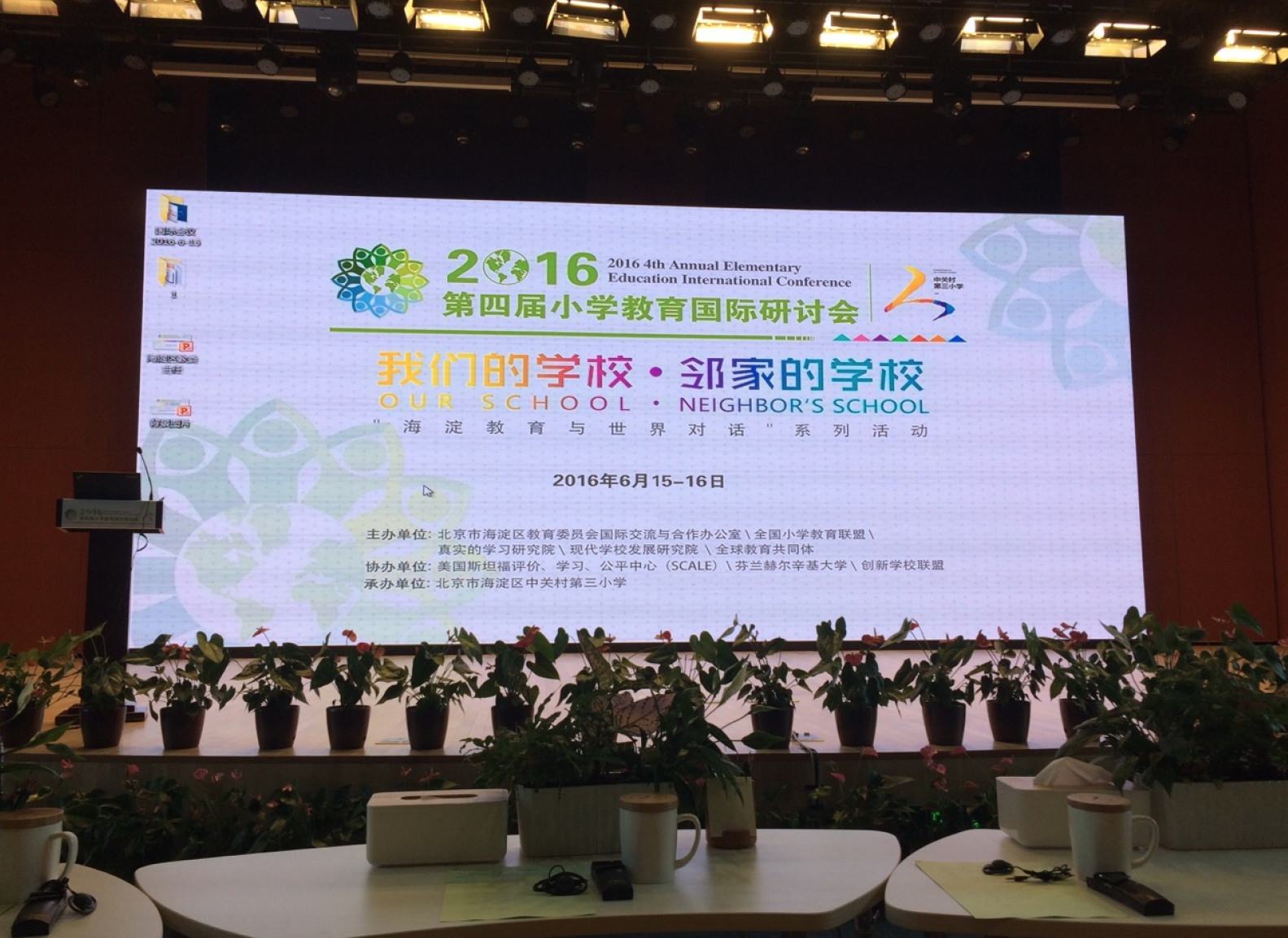
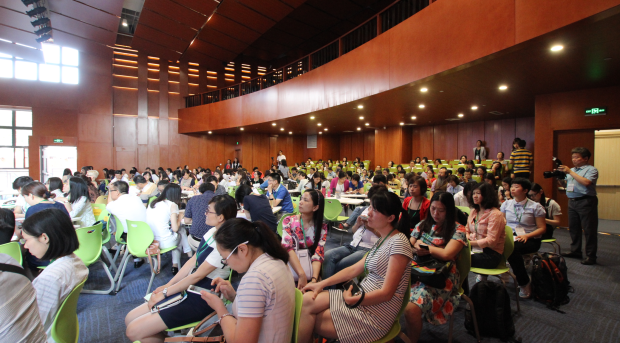
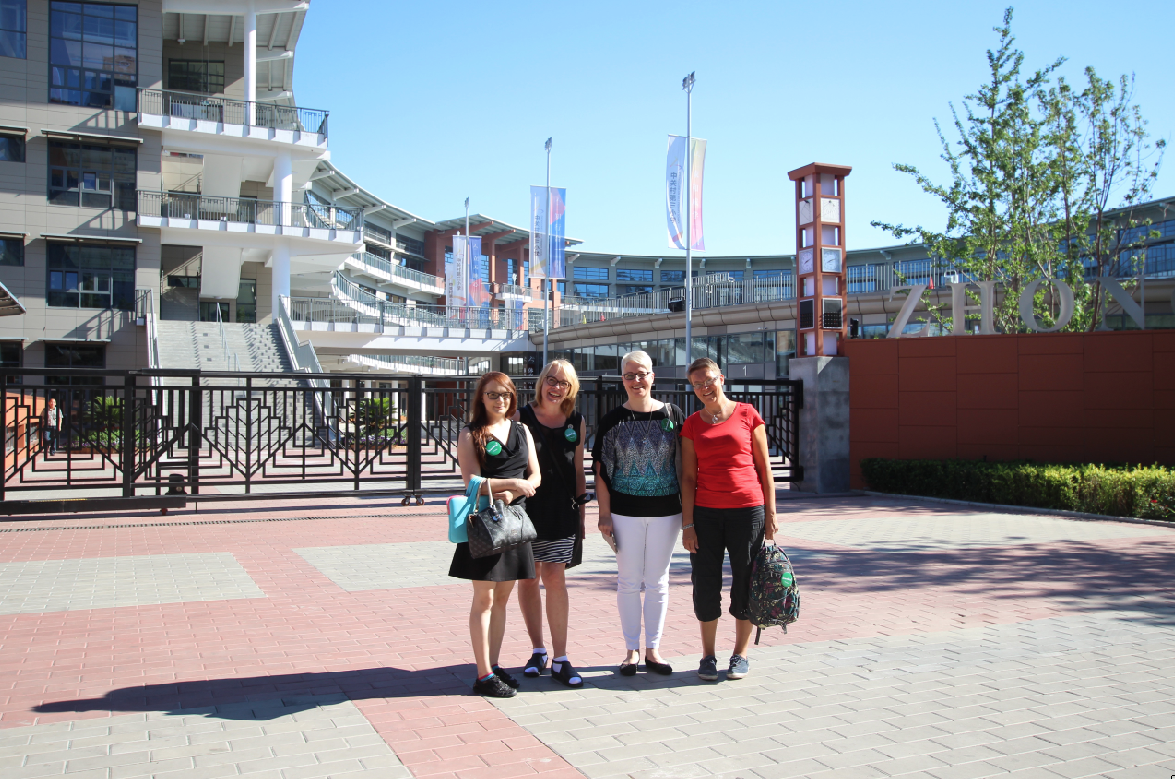
The 4th GEC Conference was held in Beijing from 15th to 16th of June 2016. The Finnish team arrived in Beijing on 9th of June. They had one day for sightseeing and from 10th to 16th of June they worked with their Chinese partners. Minna’s partner was English teacher Kathy from Shenzhen, Raini’s partner English teacher Sienna from Beijing and Jaana’s partner English teacher Yiwen from Beijing. They all worked in pairs with the group of Chinese 5th Graders. Tiina took part in the conference as keynote speaker, interviewer and commentator.

This slideshow requires JavaScript.

Global Education Community (GEC) organised the international conference in the new school campus of Zhongguancun No. 3 Primary School. The new campus was opened only 100 days before, so we were invited to visit a brand new school. We liked the architecture of the school much as well as we were happy to see how much group working spaces they had, how well they had paid attention on co-working by having the openable walls between two classrooms and also how they had moved teachers’ desk next to each other so teachers were able to work together in the common lobby.

The view from classrooms was also beautiful and through the wide windows the sunlight came inside. Outside they had also a nice garden where the students could learn to take care of plants, flowers, vegetables and trees. On the second floor they had also a big sports arena where the students played football.

IMG_2879

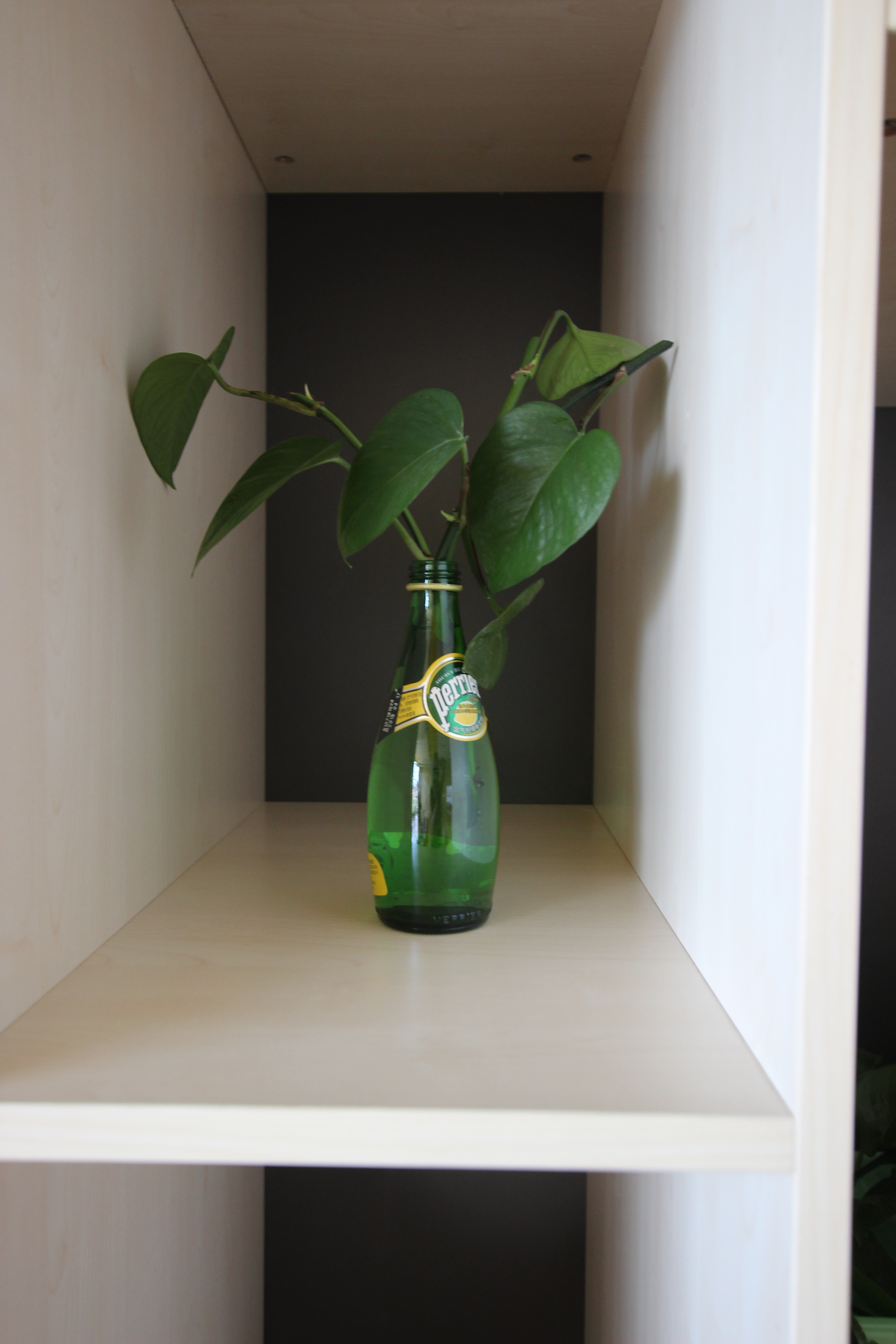
To improve the air inside they had also thousands of plants. On the second day we got to know that every student has his or her own plant and it was their job to take care of the plants. We also got to know that all plants were risen by students. That’s why we saw many cuttings all over the school.

This slideshow requires JavaScript.

Raini, Jaana, Minna and Tiina also visited other schools nearby. Those schools were older, but for us they offered a lot to see and it was also nice to meet other students and talk with them. Almost all spoke very good English and they also translated well, if someone didn’t understand. In one of the schools 6th Graders’ had also a show, where they song, danced, had a talk show in Chinese and played traditional musical instruments. For us it was nice to notice that old traditions were very important also in Chinese schools.

IMG_3062

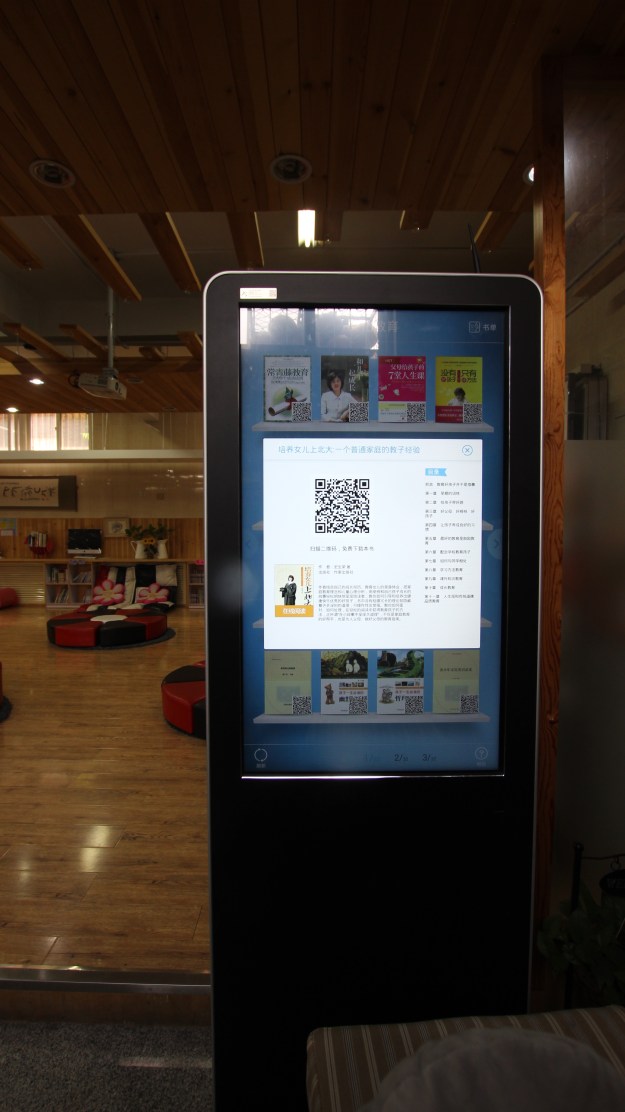
In the schools students used iPads, but BYOD method was totally new thing for students, because they were not allowed to bring their own mobile phones or other devices into school. However, for us the most interesting device was found in the library: students were able to load e-books on their own devices by using a QR code. Great idea! This could be suitable for Finnish schools, too.