Finnish team Anu Kahri and Kati Sormunen told about projects made in Finland. Teachers from China were very interested in projects and they asked many questions about them. Questions concerned planning, evaluation, content, skills needed and Finnish educational context. Chinese teachers are very willing to change their teaching style but they also seemed to be a little bit afraid of new roles of teacher as learners’ guide. The key message from Finnish teachers’ is: there is no progress without mistakes!
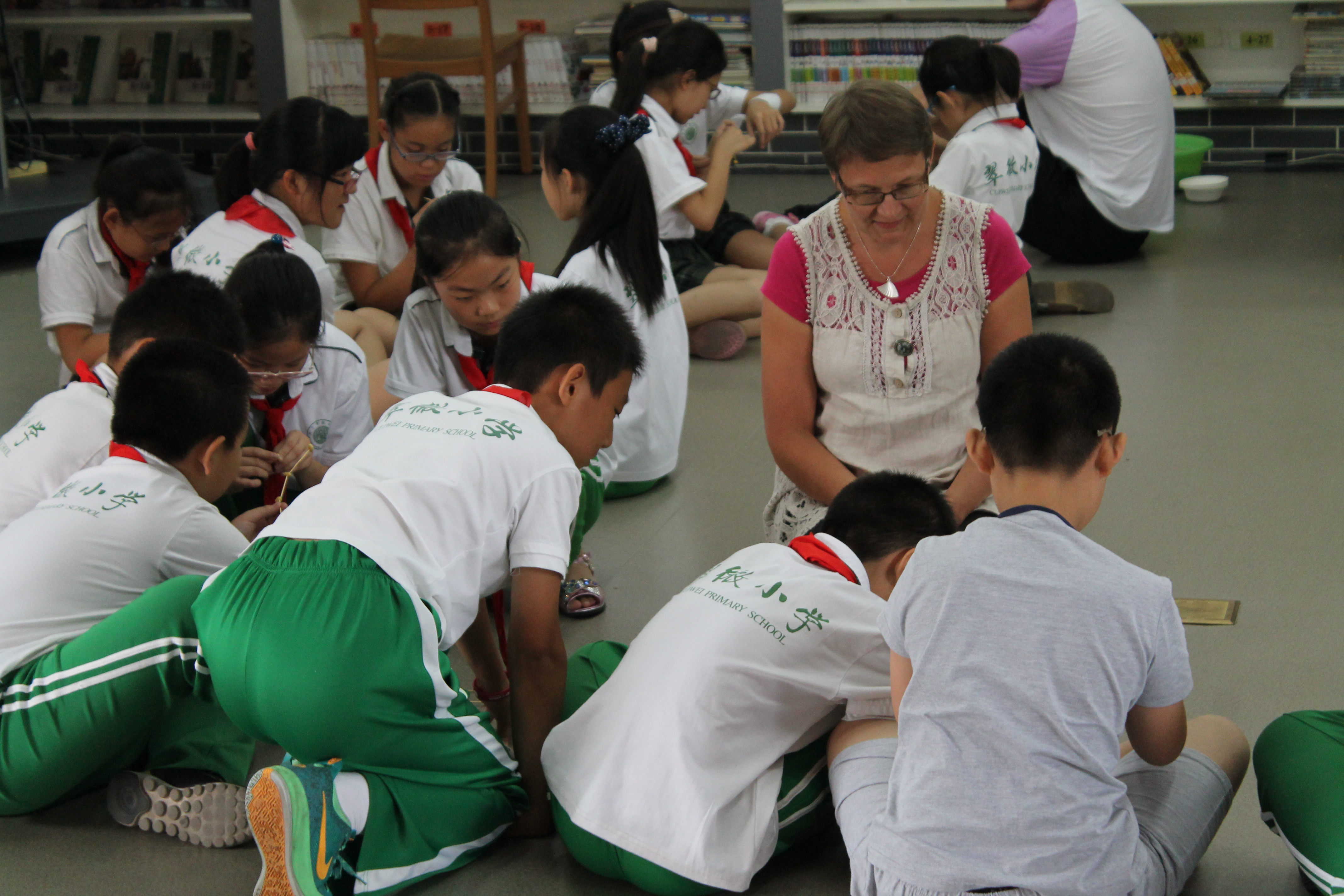
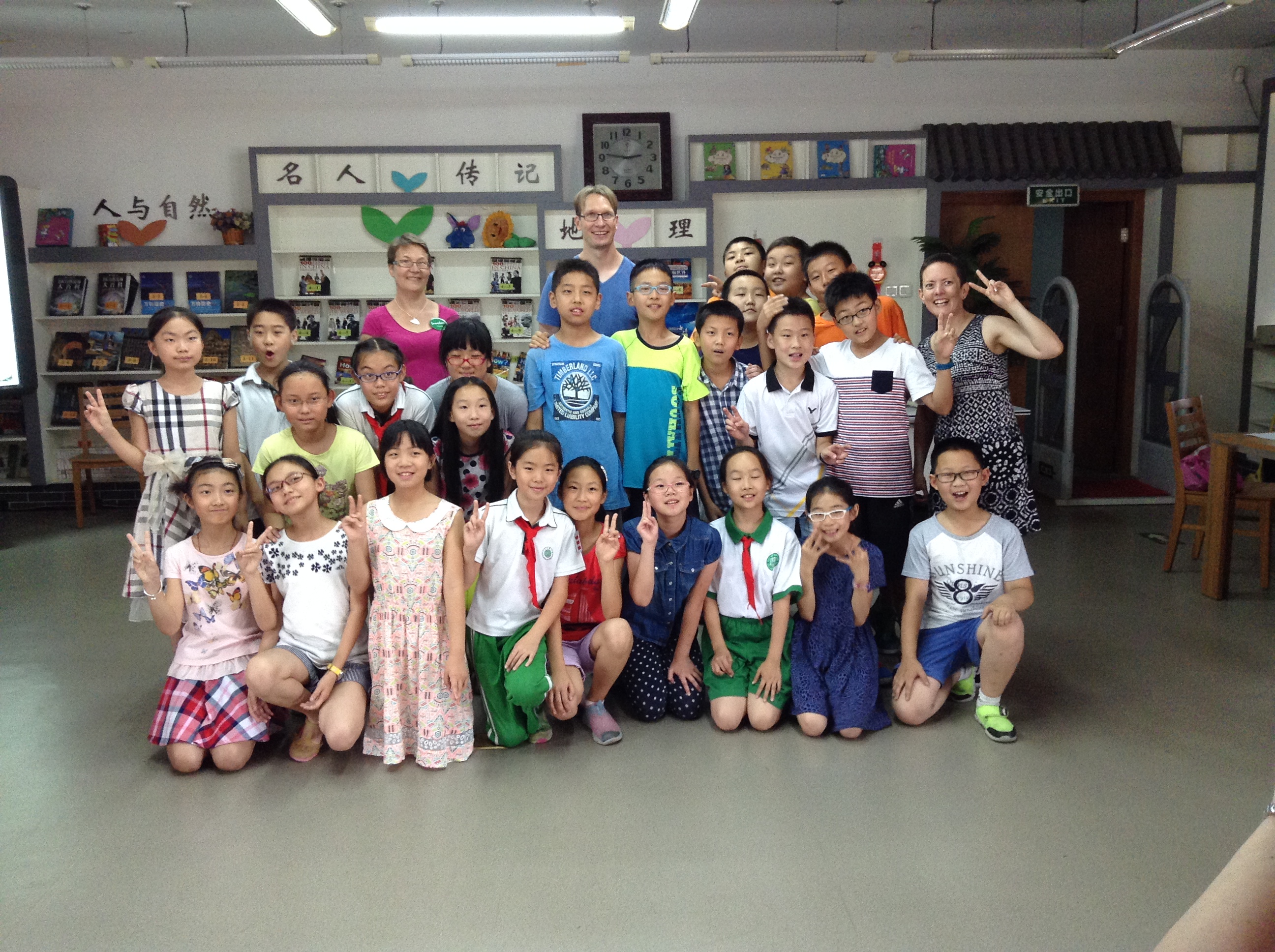
On this year’s conference participating teachers were supposed to give demos of their project based learning units. Every group worked with pupils in their unique way. Finnish team began with drama exercises to “break ice” and getting to know pupils. First pupils were quite shy but later on they began to work eagerly in Finnish way. Everyone enjoyed! Pupils from the fifth grade (11 years) were from Beijing Cuiwei Primary School.
Pupils and teachers are the same everywhere! We have the same goal: understanding between cultures and learning 21st Century skills.
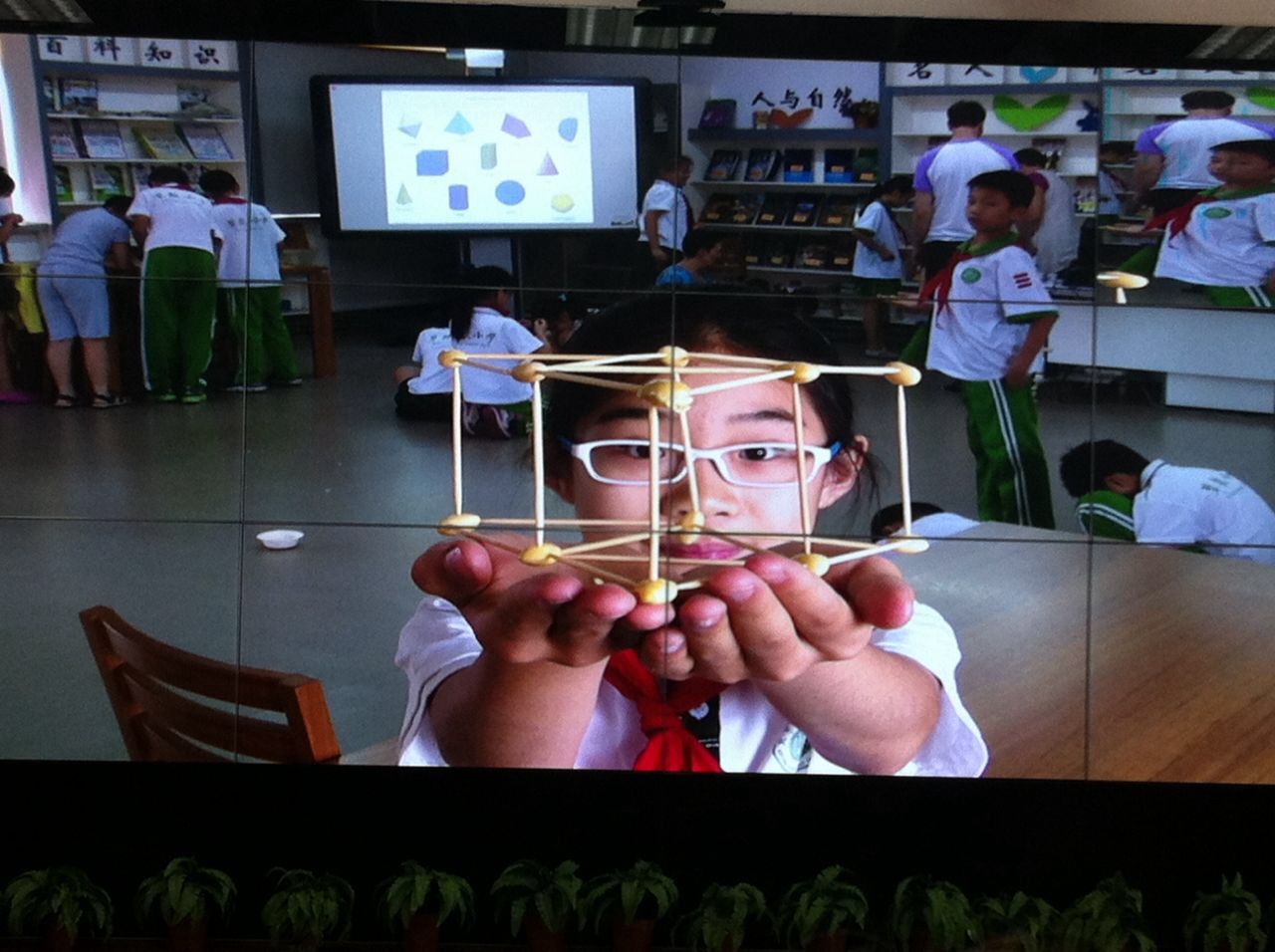
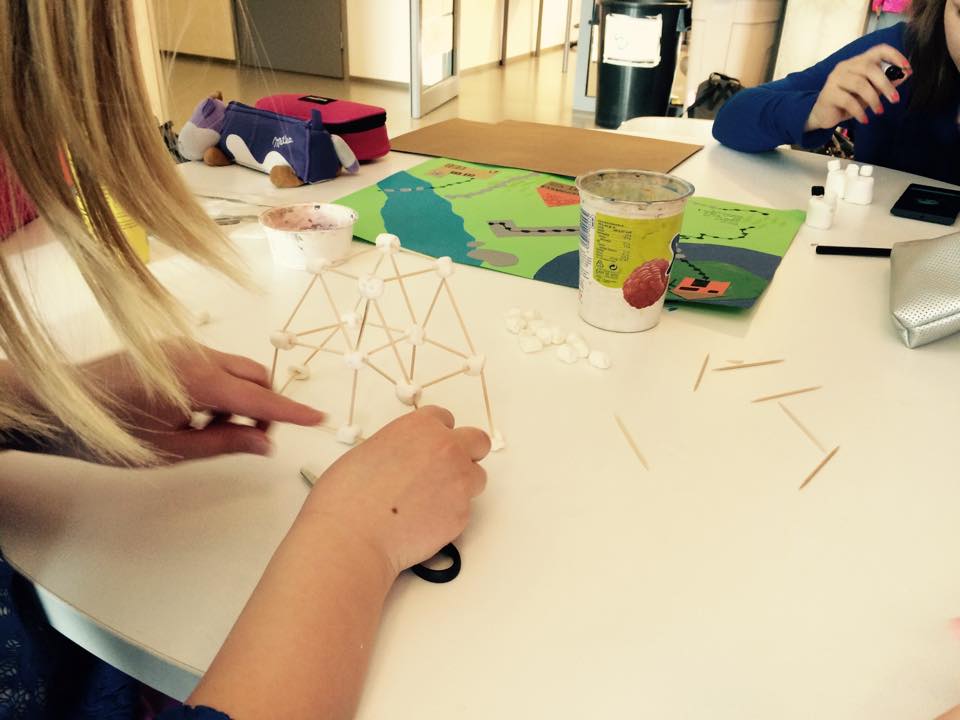
The theme bridge was learned in many ways. Building different types of shapes and constructions with peas and sticks was an enthusiastic experience to both pupils and teachers.
The third international GEC Conference was held in Beijing, China from the 6th July to 10th of July 2015. GEC members from all over the world came to feel the atmosphere of global educational community.
The second from the right Head of Innokas Network Tiina Korhonen from University of Helsinki and her team: Innokas Coordinators Minna Kukkonen from City of Espoo and Kati Sormunen from University of Helsinki, teachers Anu Kahri from Jalavapuisto School (Espoo), Paavo Oksanen, Koulumestari School (Espoo) and Raini Sipilä, SYK (Helsinki).
Educators from Australia, Canada, China, Finland and the United States.
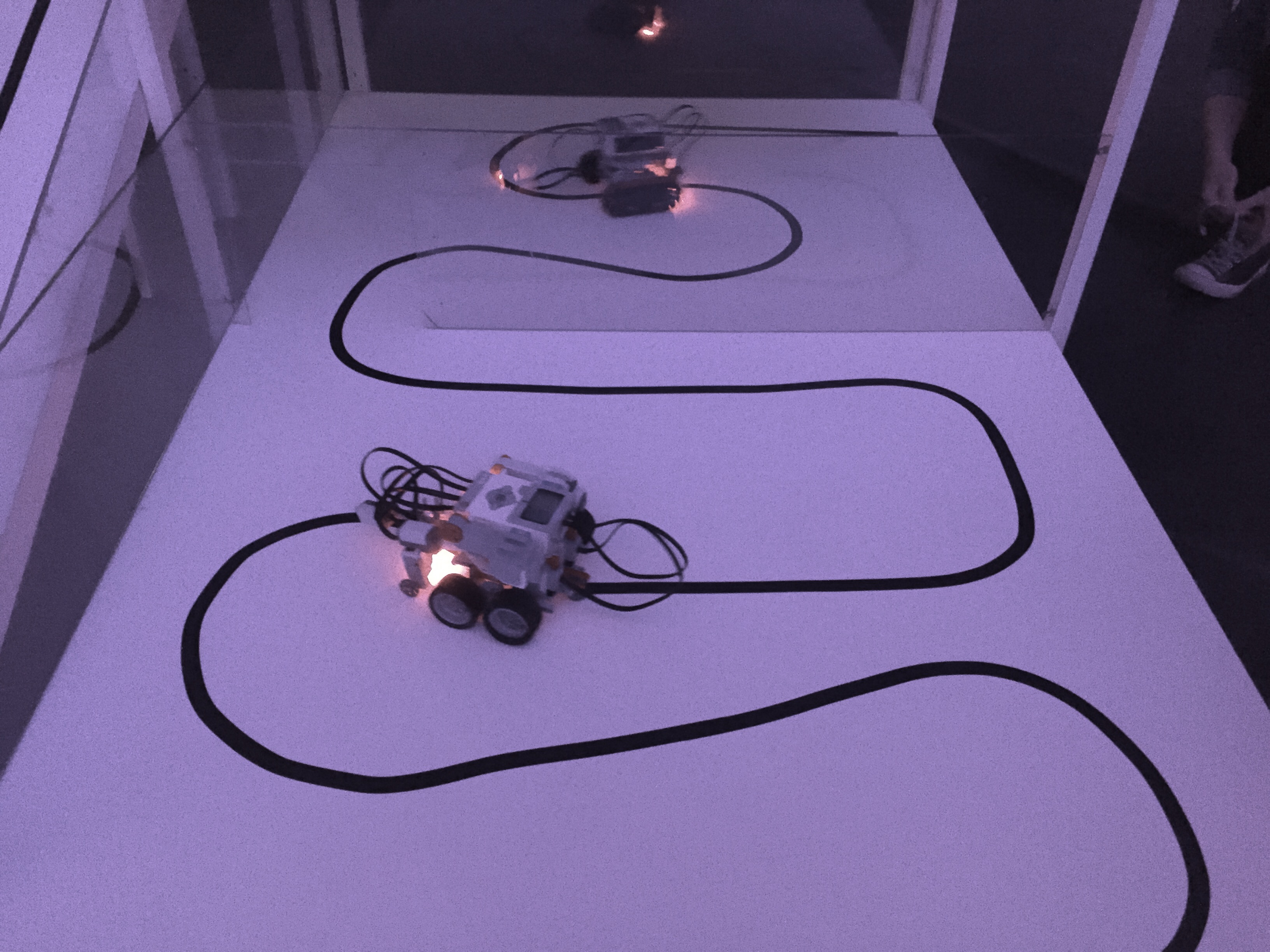
I had the opportunity to tag along with a busload of primary school students for a three-day trip to attend SciFest in Joensuu. The students, from Koulumestari and Vanttila schools, were attending the festival to compete in the RoboCup Junior Finnish Nationals.
SciFest is a yearly festival that features activities and workshops for students and teachers. This year the festival celebrated the UNESCO International Year of Light. While this made for some interesting activities and displays, it also meant that the building was too dimly lit for easy photo taking! The festival included many booths with activities on topics such as computer programming, 3D printing, color mixing, light bulbs, lenses, colorblindness, and environmental issues. Many of the booths were run by students, ranging from university graduate students to those in middle school.
The RoboCup event included five different types of competitions. Some were more traditional events such as Soccer and Sumo Wrestling. Two others highlighted students’ creativity. One was the Freestyle competition in which students had to design a robot to achieve some type of useful task. My three favorites Freestyle entries are shown below.
The robot creates artwork that’s for sale.
To play this game, you deposit a coin in the machine and then stop a moving lever at the right instant to win a bag of liqorice.
This machine automatically feeds your pet lizard if you’re out of town.
While attending the festival was the purpose of the trip, it was only part of the fun for the students. We traveled six hours by bus and camped out in a local school with more than 200 students from all over Finland. The boys all slept in the gym, and the girls stayed in classrooms. In the evening, the students had the run of the building. They played in the gym or in the hallways of the school that featured a giant chess set, pool and ping-pong tables, and video games. Breakfast and dinner were eaten in the school cafeteria. This way of traveling makes so much sense, yet I’ve never heard of students doing this in the US. Fun times!
I’m an American teacher who spent four months in Finland visiting schools, including many in the Innokas Network. The Metsokangas School in Oulu, which educates 800 students in grades 1 through 9, is similar to my own school in that it is facing an increase in enrollment. Metosokangas started with one building, expanded to two, and is now building a third. I spent two days touring the facilities, observing classes, and talking with the vice headmaster about the creative expansion plans.
I spoke to a few classes about school and life in the US, and then the students practiced their English by asking me questions they had prepared in advance. My favorite was whether I had visited Springfield, home of the Simpsons. Students start studying English in 3rd grade, and I was impressed by how well the 4th graders could speak. They put me to shame when comparing my Finnish to their English!
The photos above show two classes that share one large room, something that is done by quite a number of classes in the school. Teachers are given the freedom to choose how to organize their classes, and some choose to combine groups from the same grade level, while others have separate classes. Partly this choice is decided by logistics; not all rooms can be combined into a larger space. And some teachers prefer to work alone with a smaller group. The fact that teachers are given the freedom to teach the way that works for them and their students is evidence of the trust given to Finnish teachers.
Students in the combined groups sometimes have lessons as one large class with two teachers (and possibly also an assistant), and at other times the classes split into two. This is an efficient way of working, especially when students are being given direct instruction or a project is being explained. Students can then do individual or group work while both teachers circulate. I suppose it wouldn’t work so well in a lesson that required students to be answering questions, as each student would have fewer chances to participate.
I also saw a combined group of second graders that included a mainstream class and a special education class of students with significant needs. This is the second year that the same students and teachers are together. While I visited, students were studying money and the class was divided into two groups. On one side of the room, the large group was working with decimals. On the other side, a small group was taught by a special education teacher and an assistant; they were learning about different coins, and students were practicing going up the the cash register and buying stuffed animals in a store. Some of the special education students have math lessons with the larger group, while others are always in the small group.
Practicing identifying and counting coins
Independent work with decimals in the context of prices
Using the answer key to check completed work
I love how the teachers were able to find ways to have students work on learning similar material but in differentiated ways. Early in the year, students cut out their profiles and decorated them with descriptors of their personalities and hobbies (see below). For most of the students, the goal was to practice using English words. But the assignment was different for the student in the top row, second from the right. He is still working on learning vocabulary in Finnish, so his profile was decorated with Finnish words and accompanying pictures.
When I asked how the arrangement of joining classes came about, the teachers said they though it would be a good idea that would benefit all of the students, so they decided to try it. I love how teachers here are given so much freedom to implement new methods.
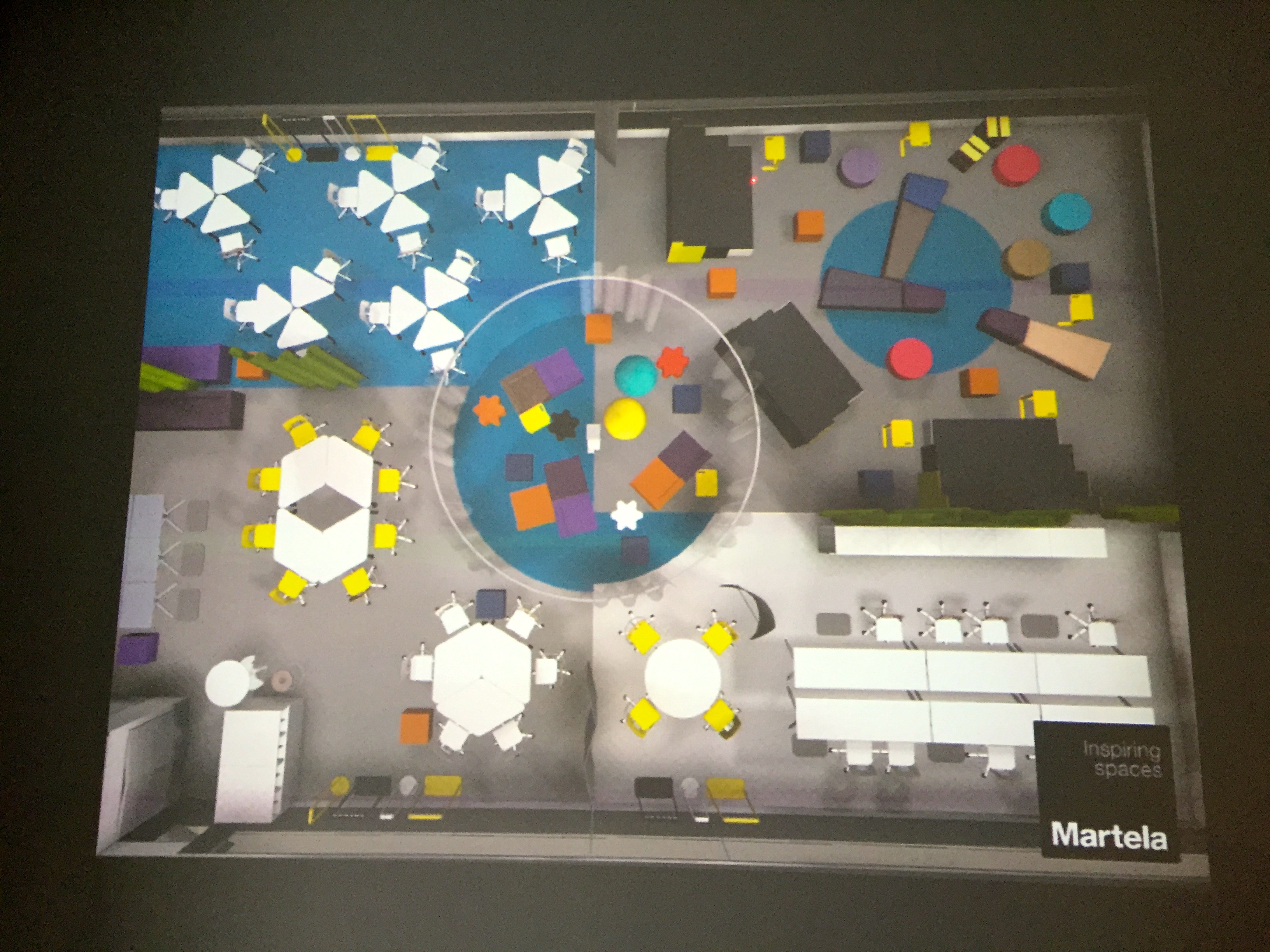
The combined-class model is being incorporated into the design of a new building that is being constructed adjacent to the two buildings on the campus. The building will house 400 third and fourth grade students. Rather than constructing smaller individual classrooms, the school will contain very large rooms that accommodate 70-80 students and four teachers. The space will contain one quadrant with a hard floor, useful for art class and science experiments that may be messy. The rest will have sound-absorbing carpet and will have an area for gathering all of the students on soft furniture and collapsible stadium-type seating. The center will have a reading area with privacy provided by movable half-height walls.
I’ve noticed many creative uses of space in Finnish schools. The hallways are not simply spaces through which students move from class to class that sit vacant when classes are in session. They are usually filled with tables and chairs, beanbag chairs, and computer workstations. This makes it easy for students working together on a group project to find a space of their own or for a student to read or work independently without distractions.
You can see more of the Metsokangas school and a product of the students’ hard work in this music video they created. The tune is catchy and will stick in your head for ages!
The students from Oulu, Finland, and the students from Janesville, US, have written letters to each other during this Spring. Because of the long distance and delivery time, students signed into Edmodo and continued chatting there.
For Finnish students being penpals with students from US it have been very exciting experience. They think that they will learn a lot of about America, different culture and people while chatting with their penpals on Edmodo and by using other Social Media Apps. Also Finnish students will learn English skills and they will understand why they study English – not only for school, but also for communicating. For us as teachers, it was nice to hear one student saying that maybe when she is old enough, she will fly to Janesville to meet her penpal. We teachers hope that she will make her dreams come true someday.
As a communicating tool Edmodo has been a great choice. It’s easy to use for students and also we teachers see all what students are writing to each other. After summer holiday students will continue collaborating with their penpals on Edmodo and also they will send each other paper letters and some small gifts. A few of them decided to send to their penpals euro coins, because they got dollars from them this Spring.
Greetings from 53 eager students from Metsokangas Comprehensive School!
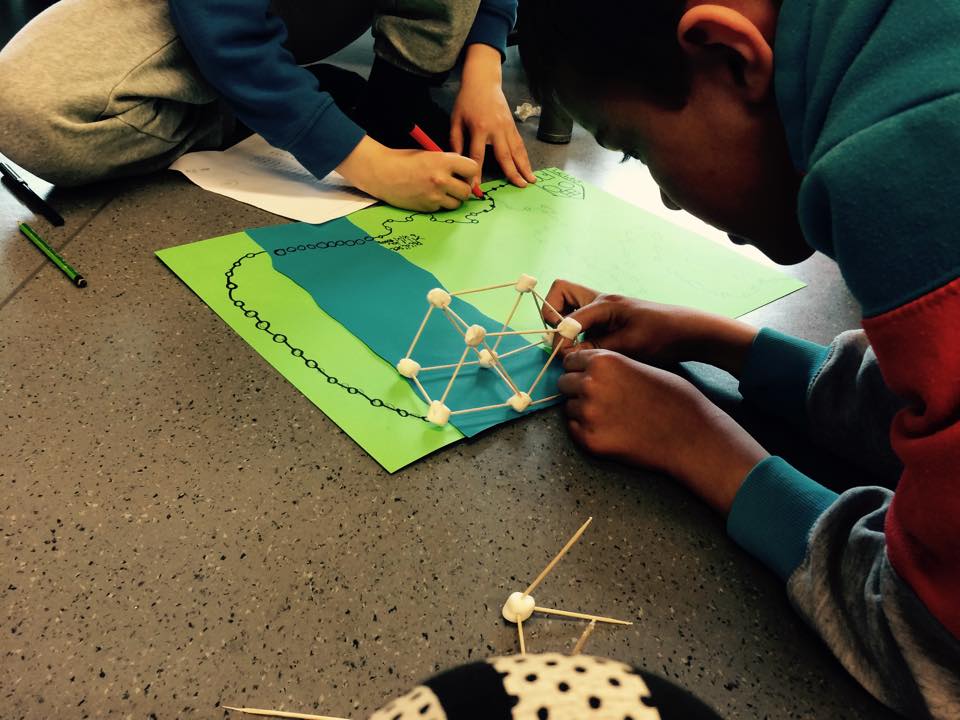
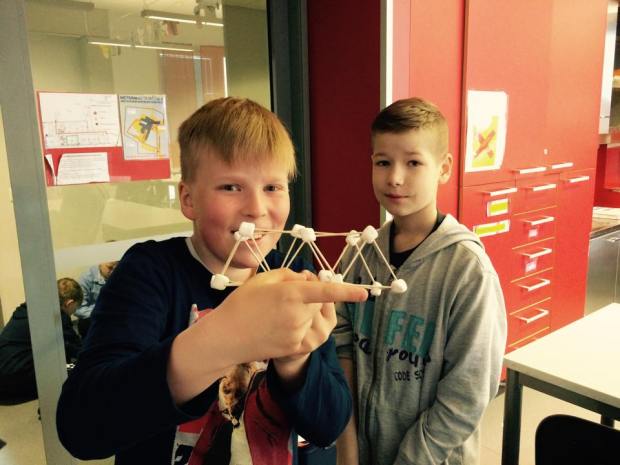
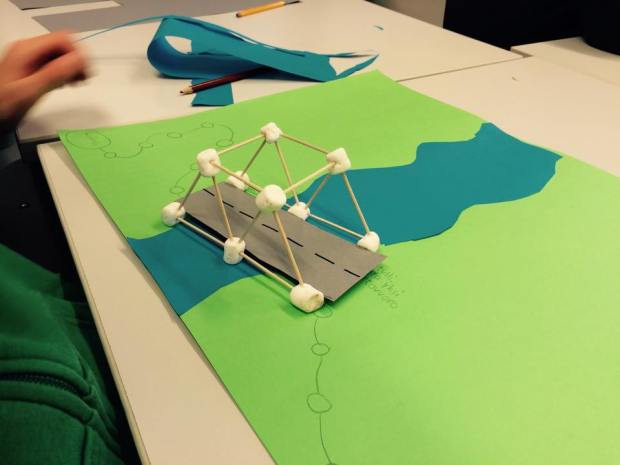
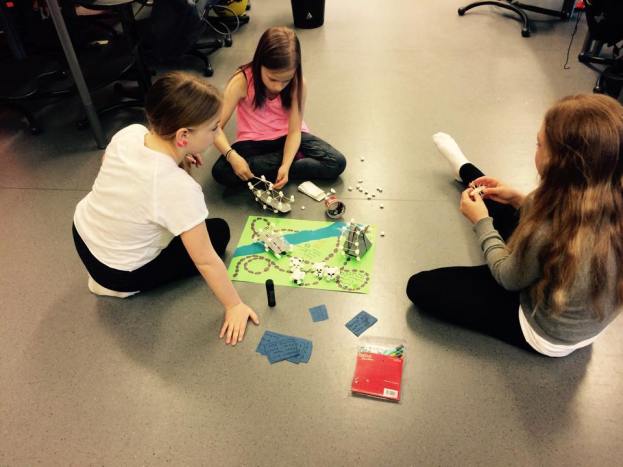
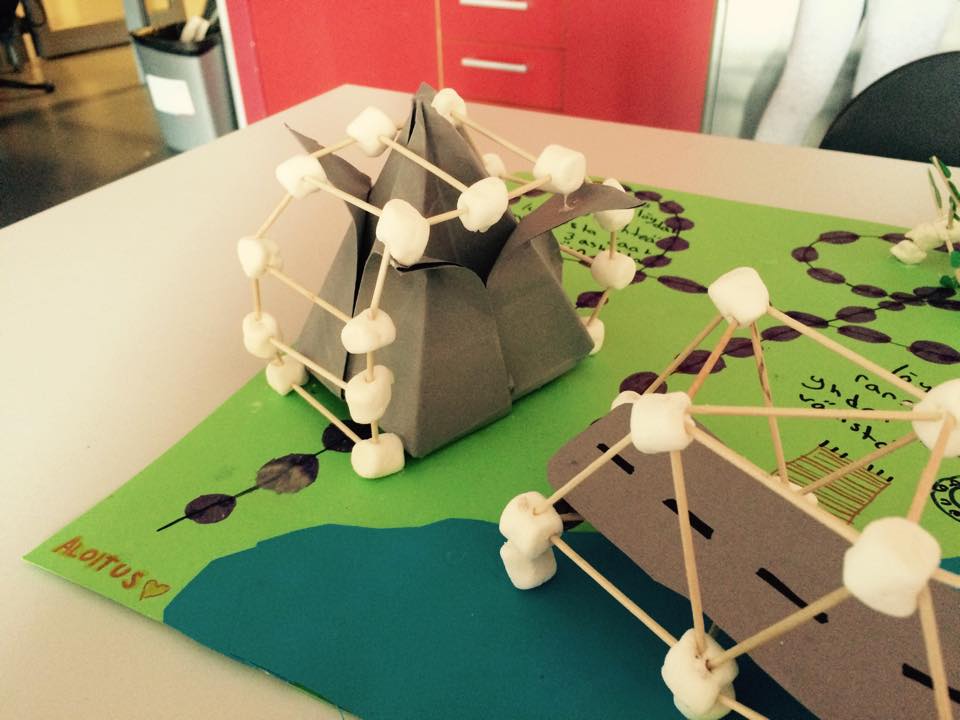
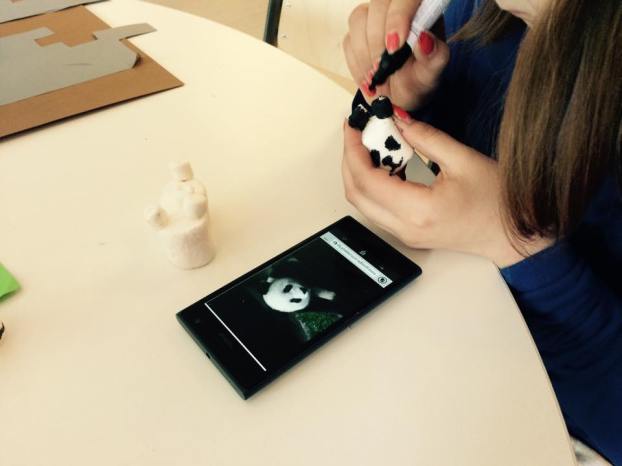
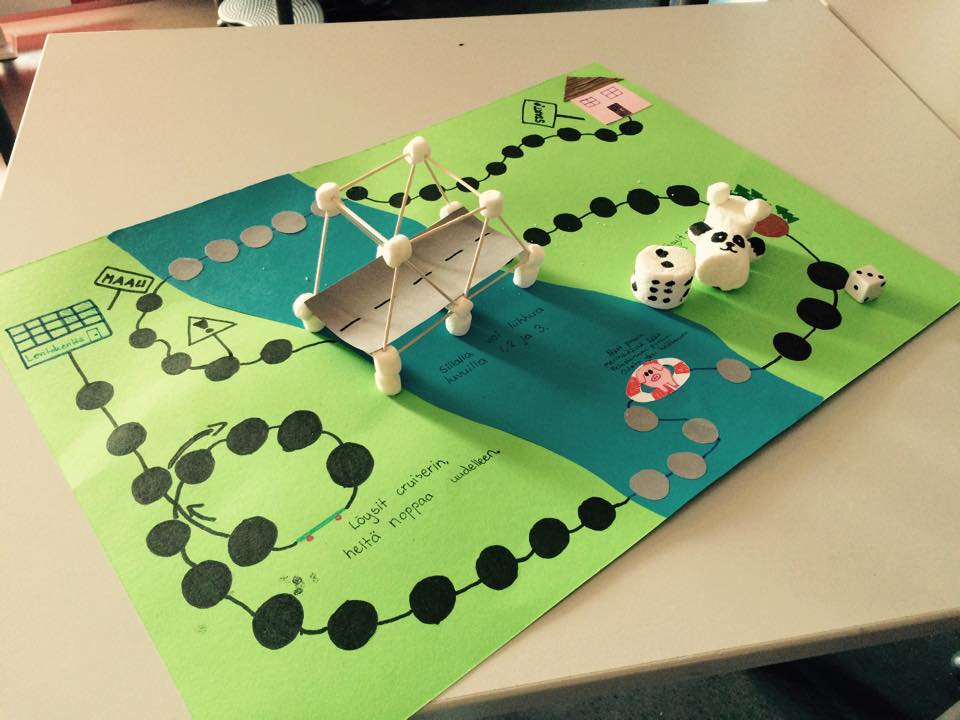
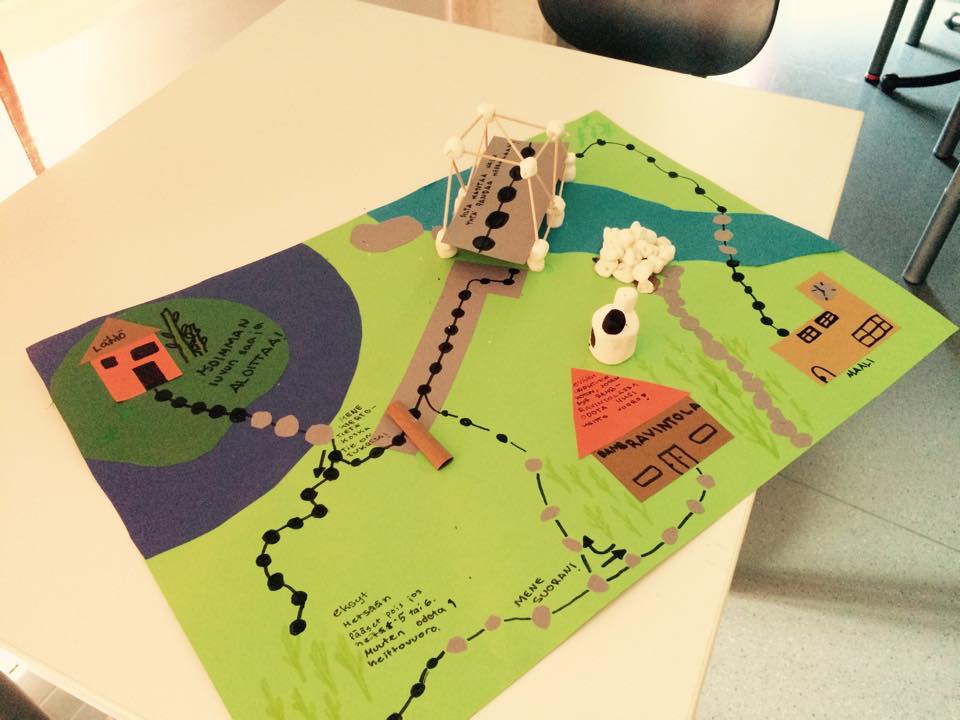
Jaana’s and Petri’s students on 4th Grade have built bridges by using marshmallows and tooth sticks. While building they studied by themselves information about triangle structures and how to build a strong bridge that won’t collapse. Many of them used their own mobile phones to find information on the Internet about building bridges.
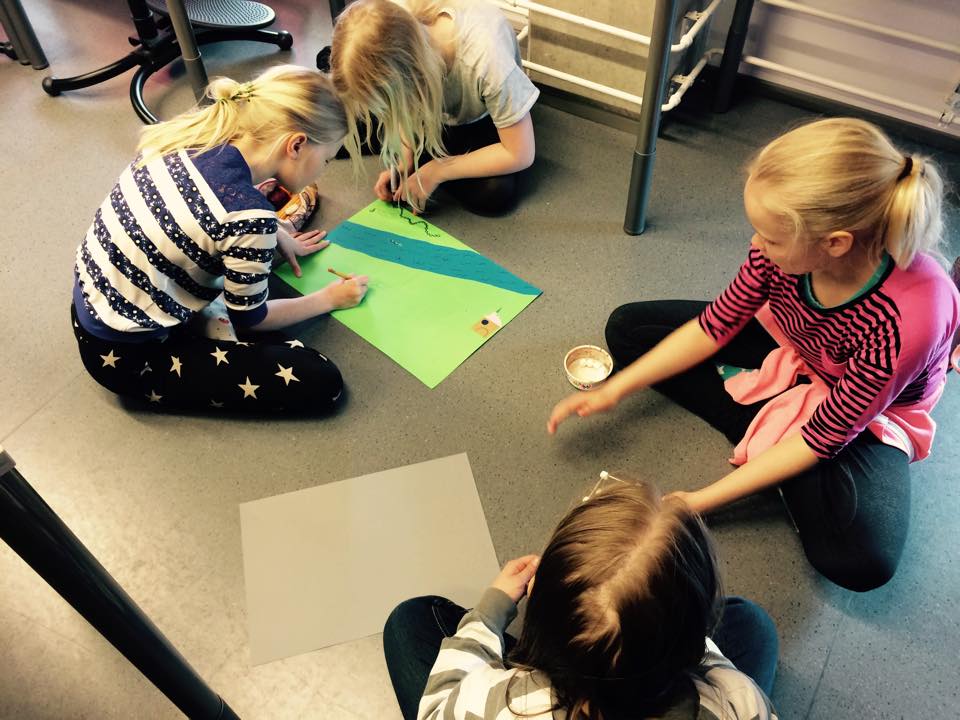
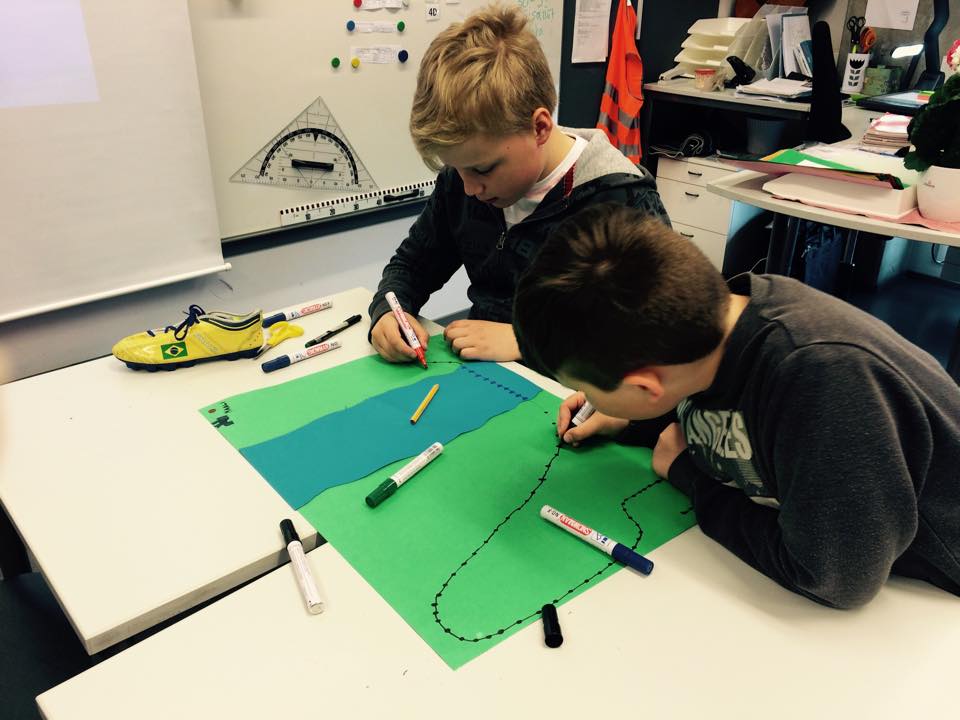
After building a bridge or bridges students created the idea and the rules of the game. Then they planned and made the game boards including a river, the starting point, the finishing point and they made also some obstacles which would slow down the players’ race.
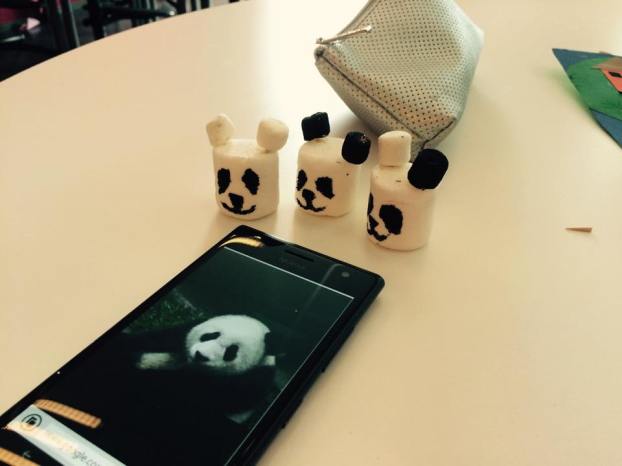
While a few students of all groups were working with the game board, other students planned and created panda-look-a-like pawns for every group member. As a material they used bigger marshmallows and marker pens. For pandas’ ears students used smaller marshmallows, but they had to invite, how to combine the head and the ears together. A few groups used the clue and other the tooth sticks. After getting ready with pawns some groups made also a dice by using one big marshmallow.
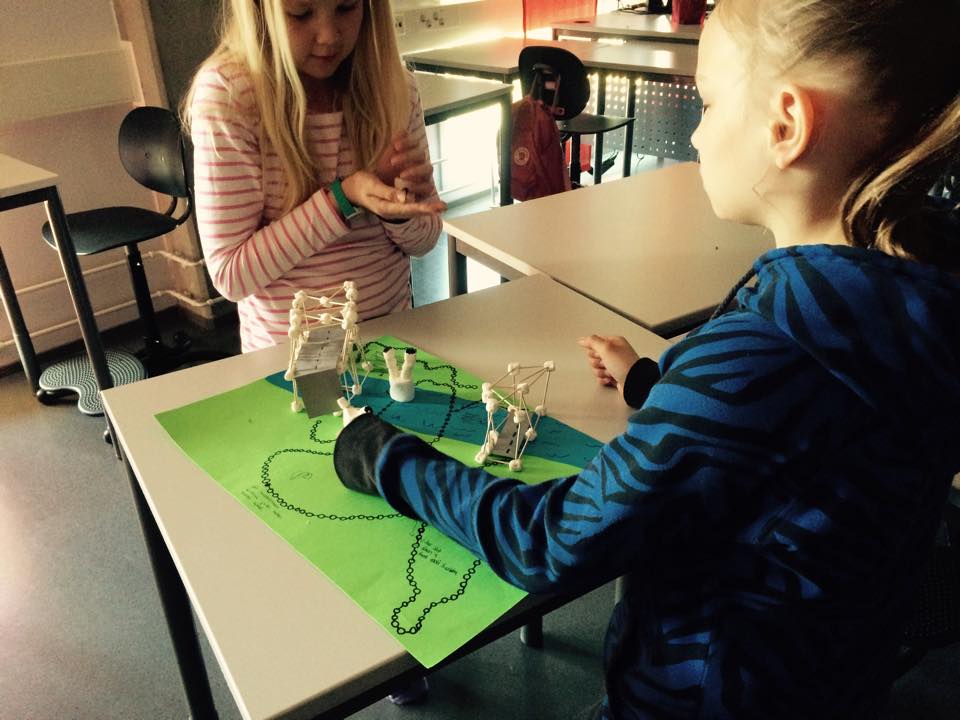
When every group had finalized their game boards students got a possibility to play their games in groups of four and five. For the last lesson of the school year, it was cool to see how motivated and eager all students were even on the last school day!
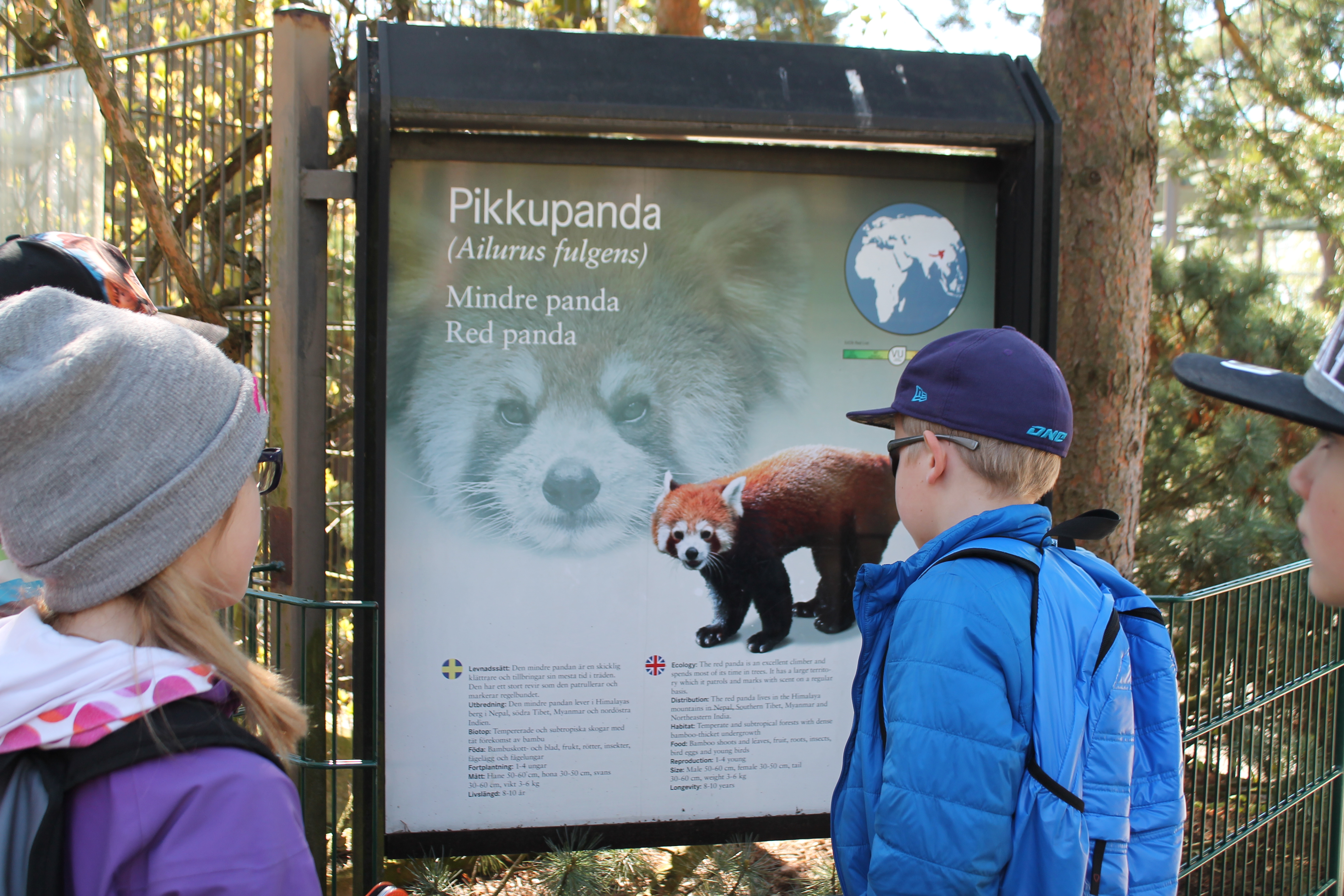
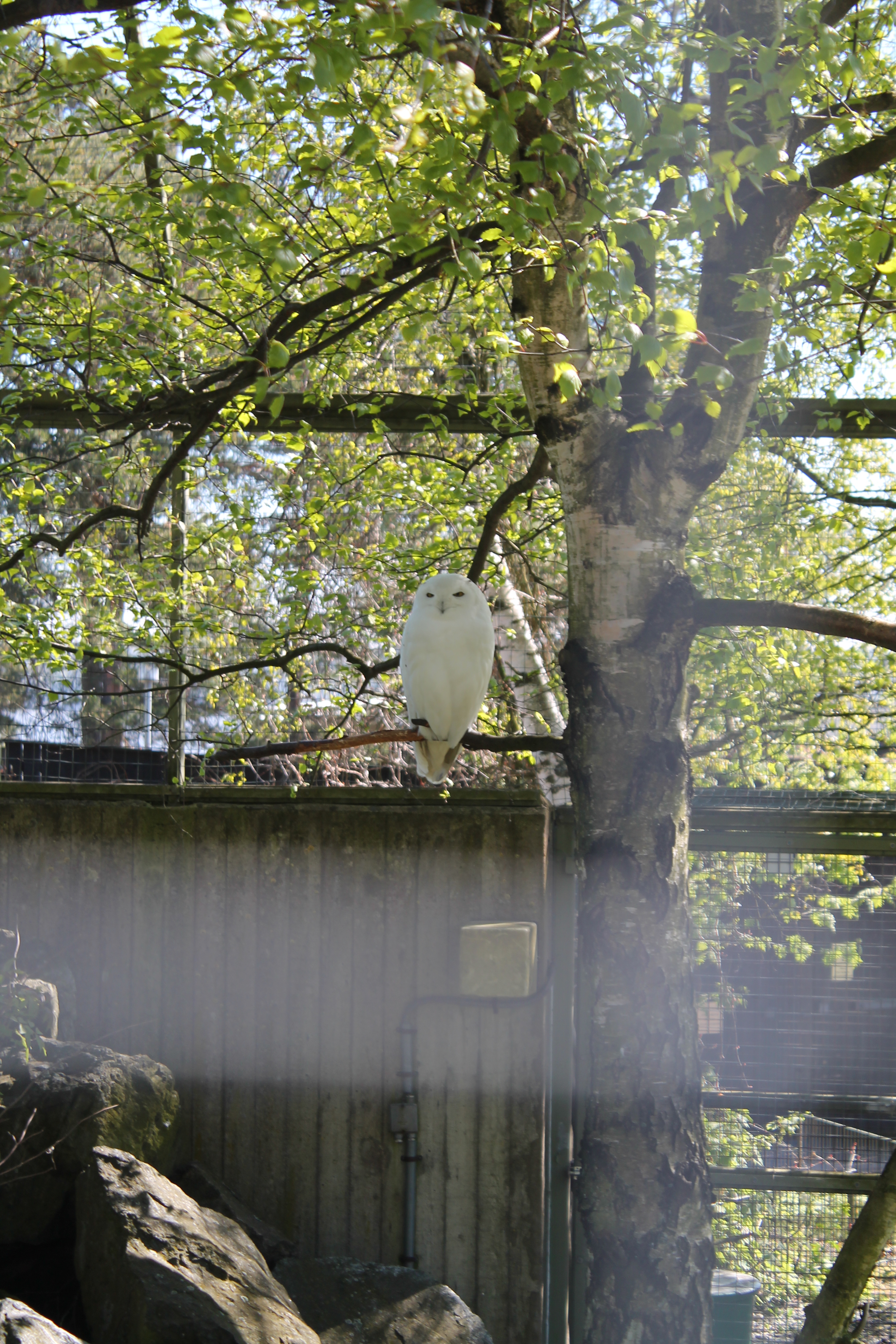
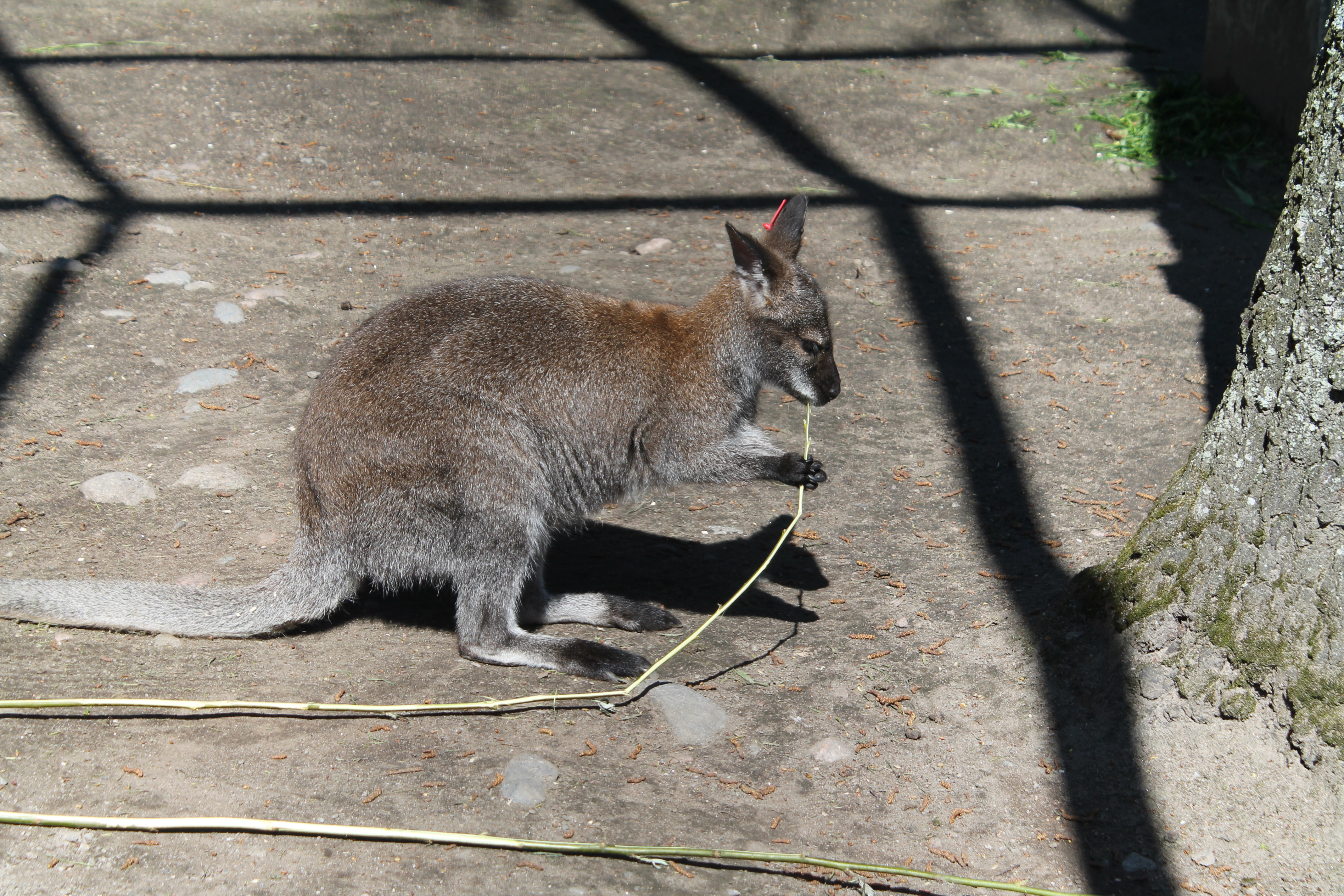
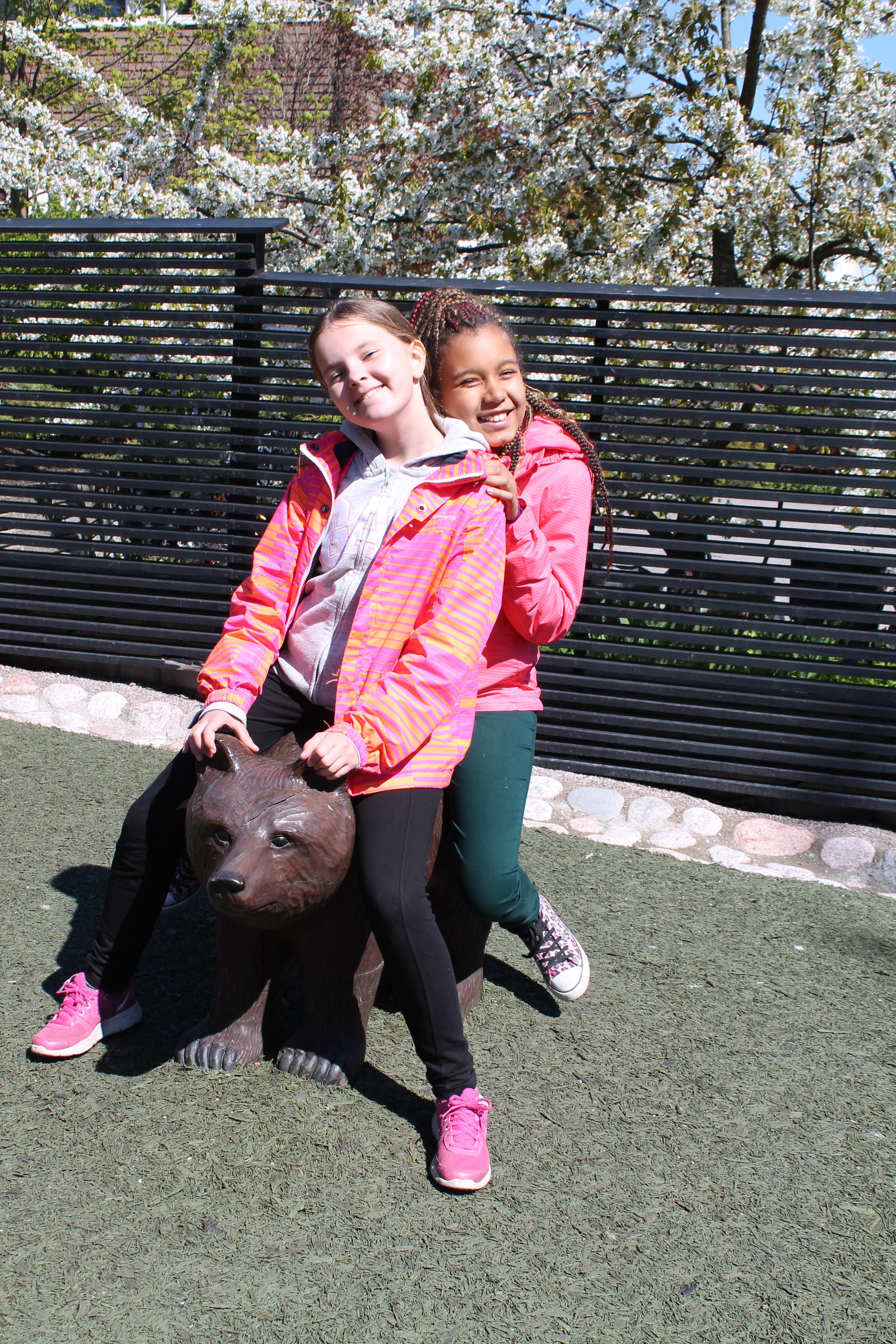
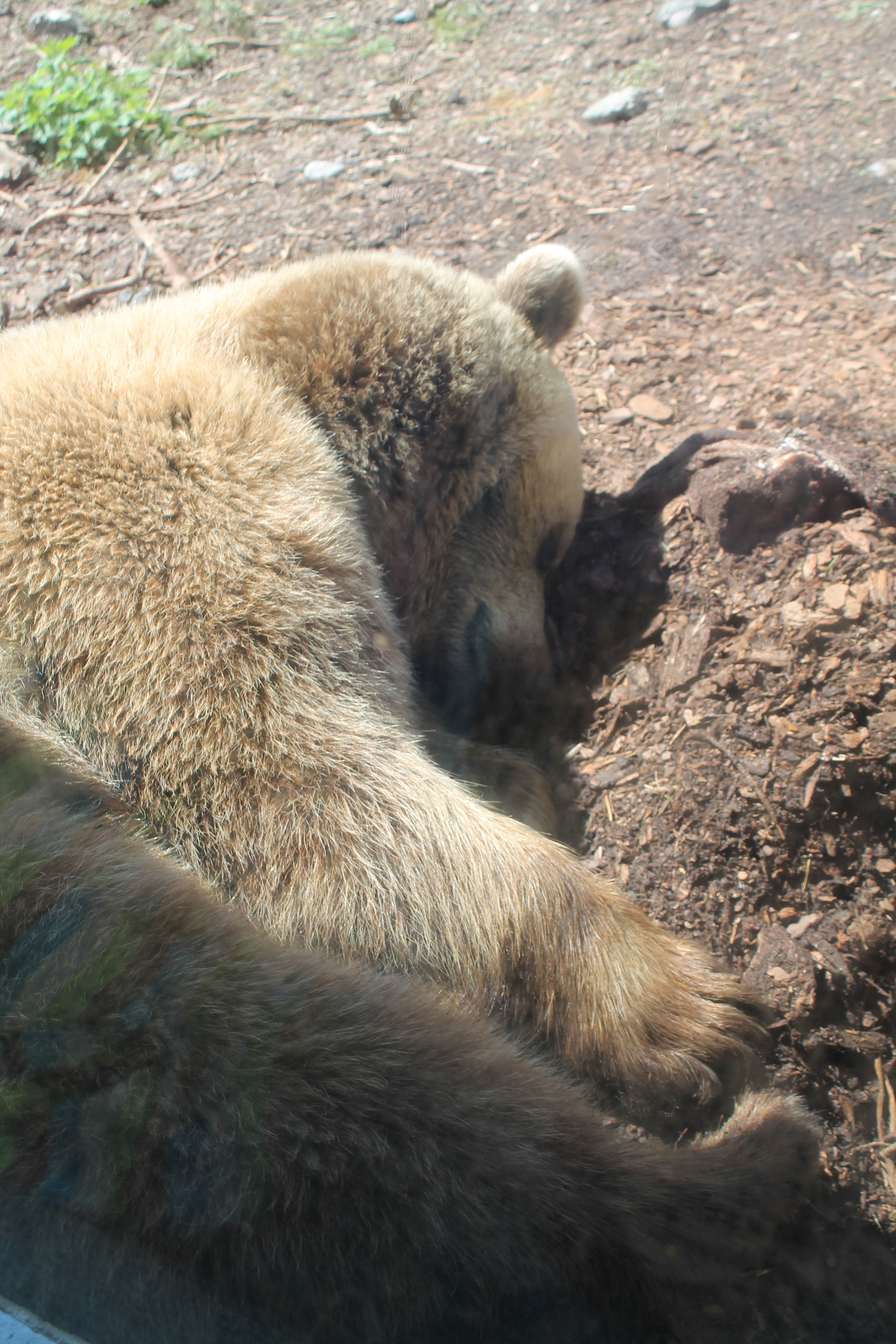
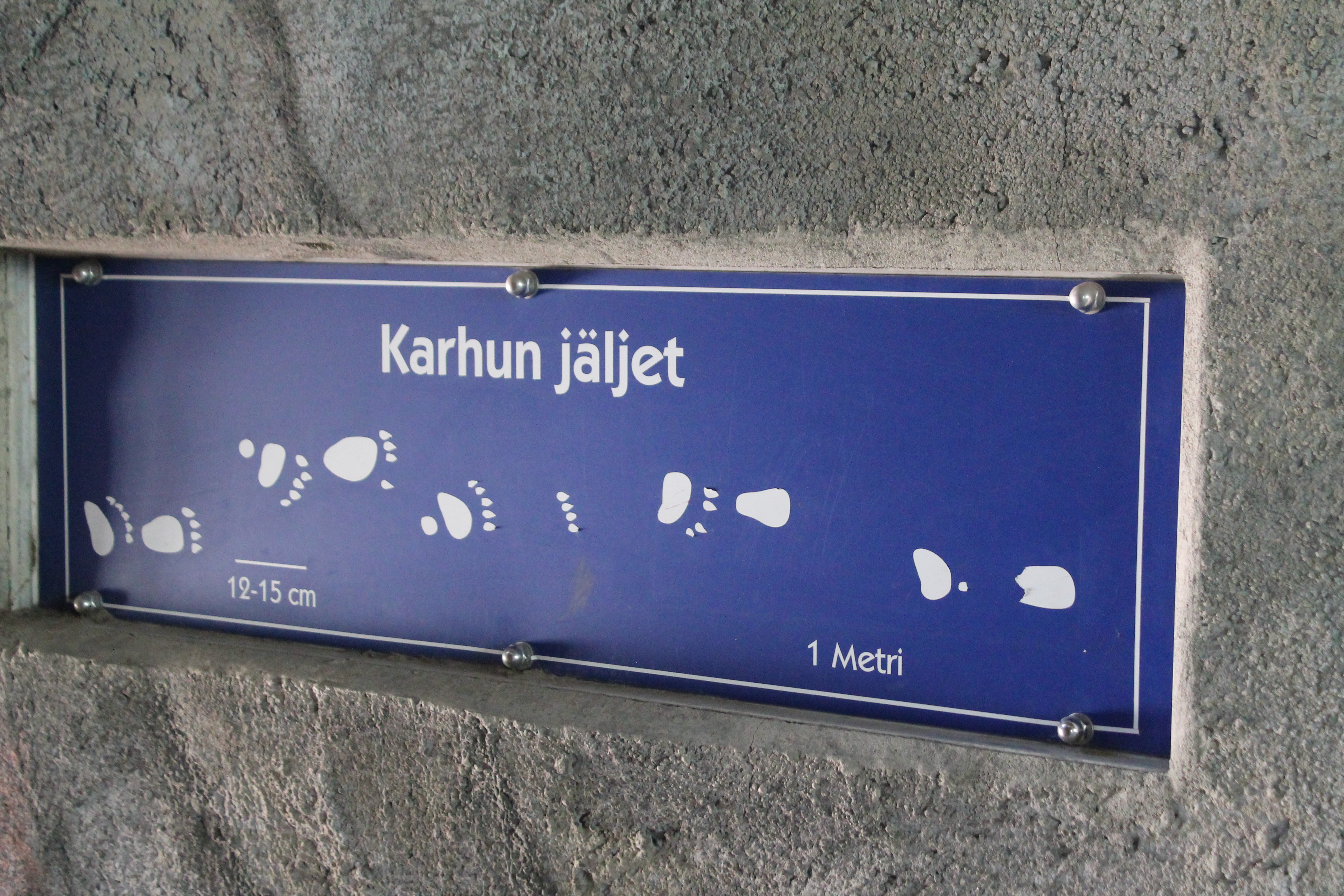
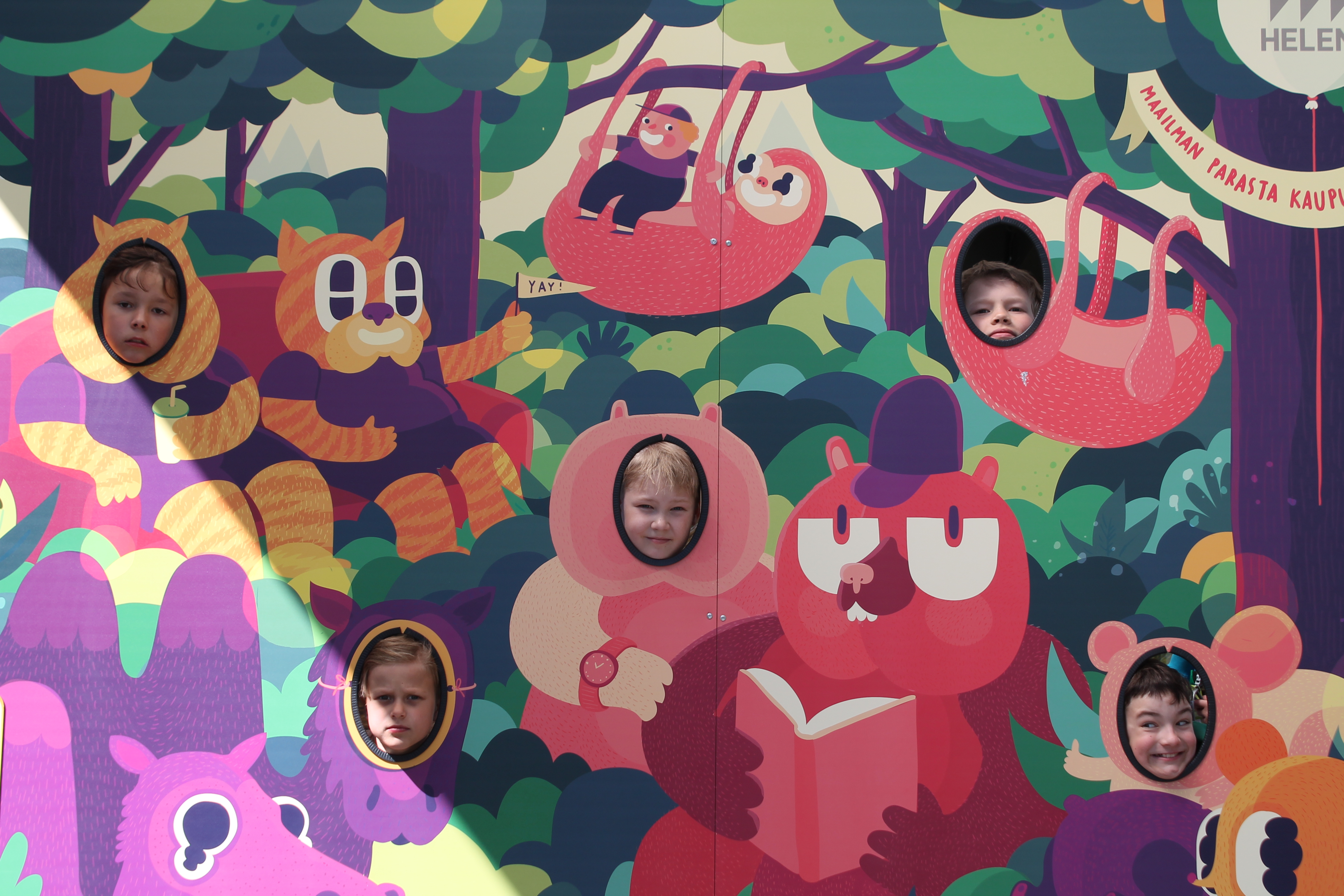
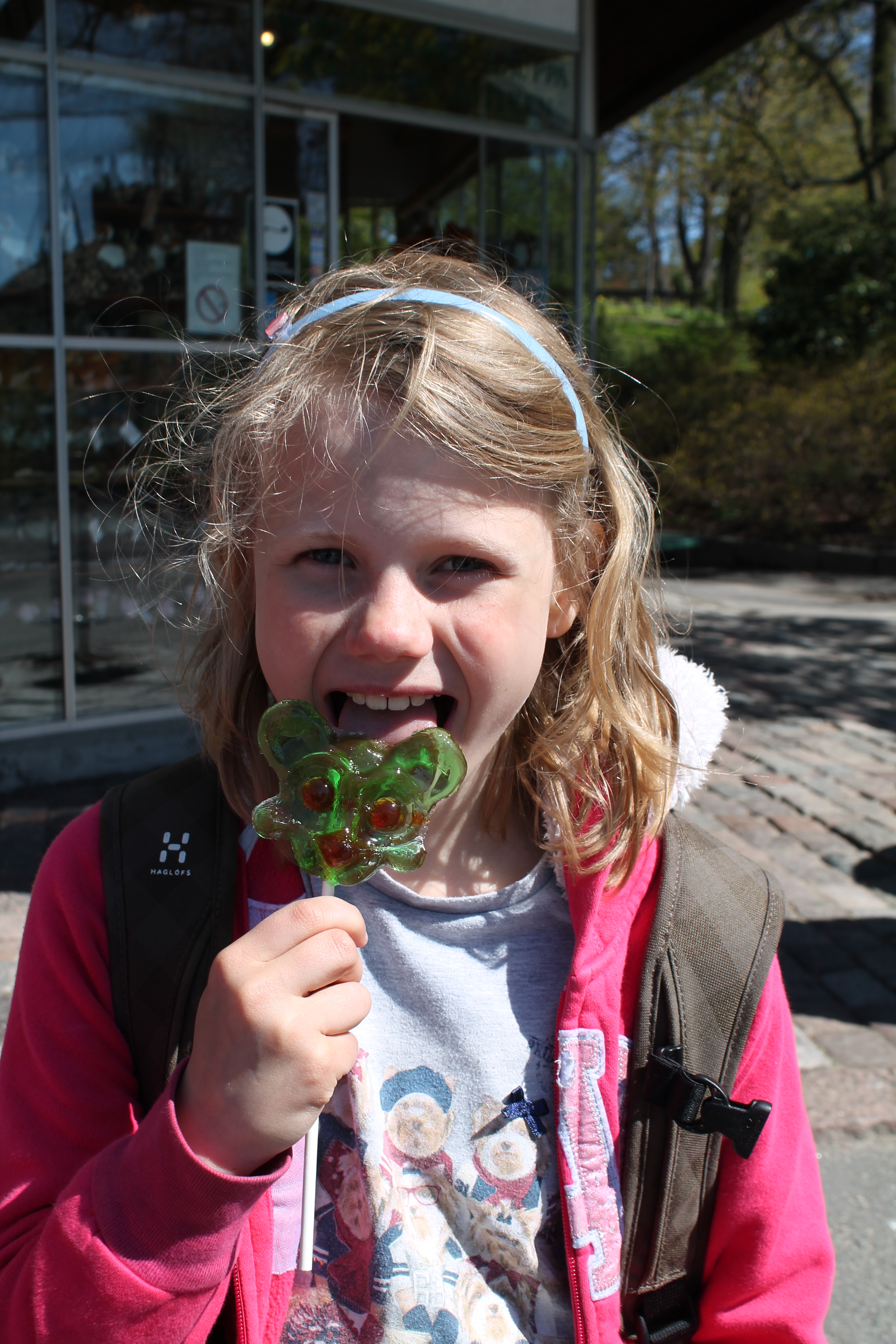
We went to the zoo on a spring trip. The weather was great and we had a wonderful day! There was no panda but at least one of his relatives. Can you find it in the pictures?
We have 6 more days of school left before summer holidays so have a great summer everyone!
One aim of the Global Educational Community is that children, their parents and their teachers can learn from, and teach each other as they are welcomed into a community where all can become more competent as global citizens. I decided to welcome parents to join our panda project by creating a game night for the whole family.
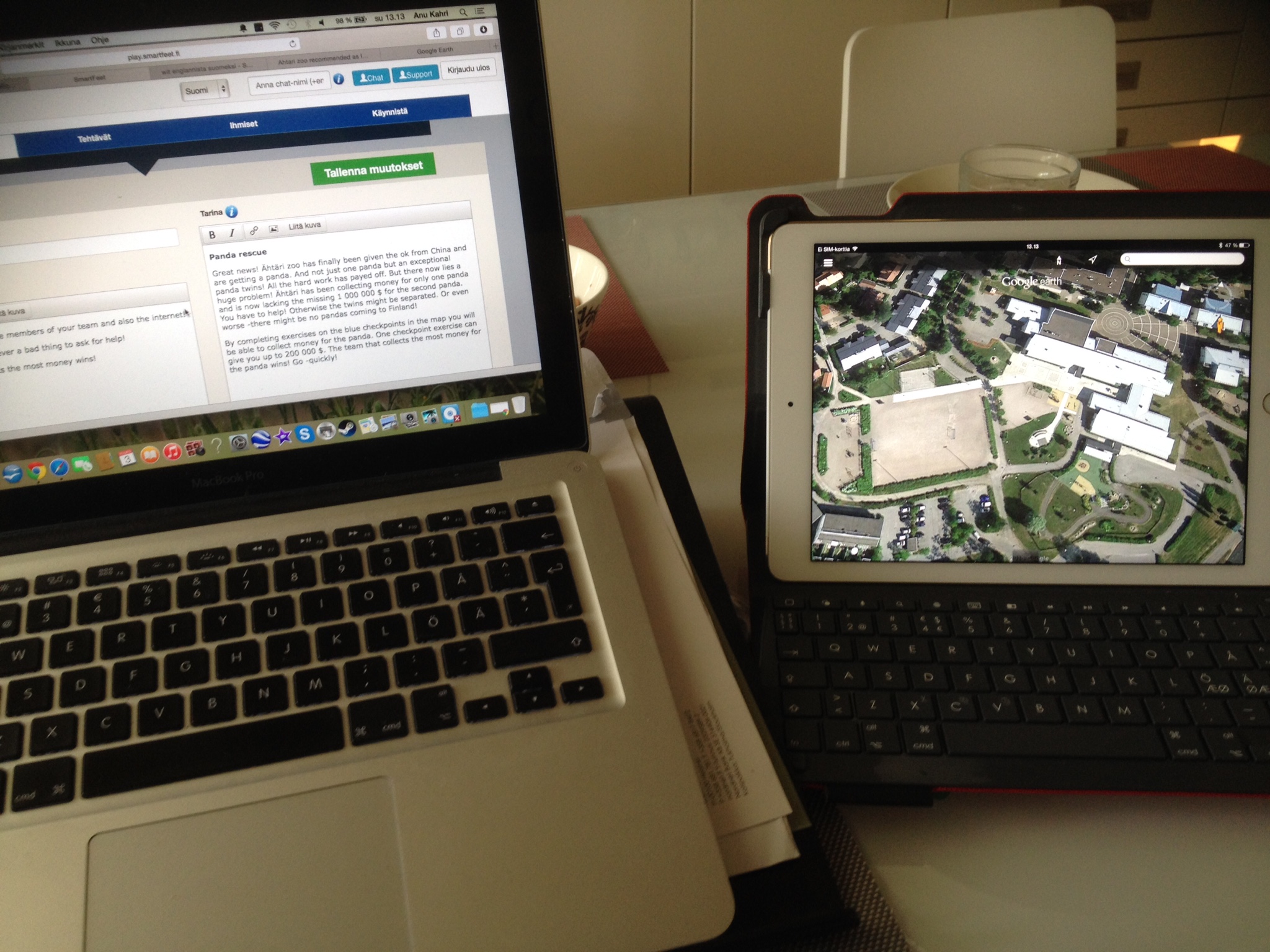
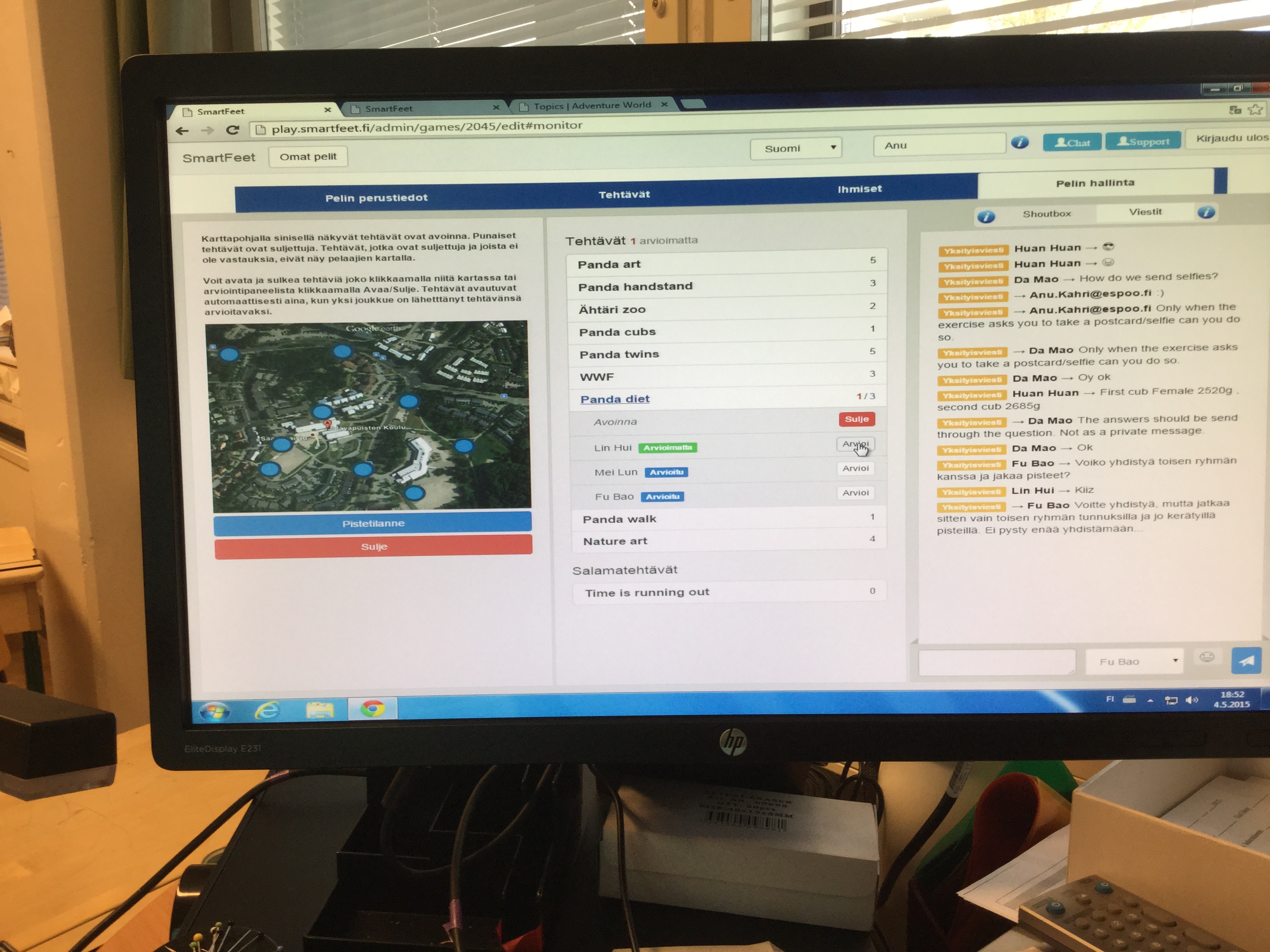
I used a game platform by Smartfeet (http://www.smartfeet.fi/?lang=en) It’s an online platform for educational games. I used the map from our school’s surroundings. The map I got from Google earth. Gamification is an easy and motivating way to get children to learn things when they don’t even realize that learning is happening.
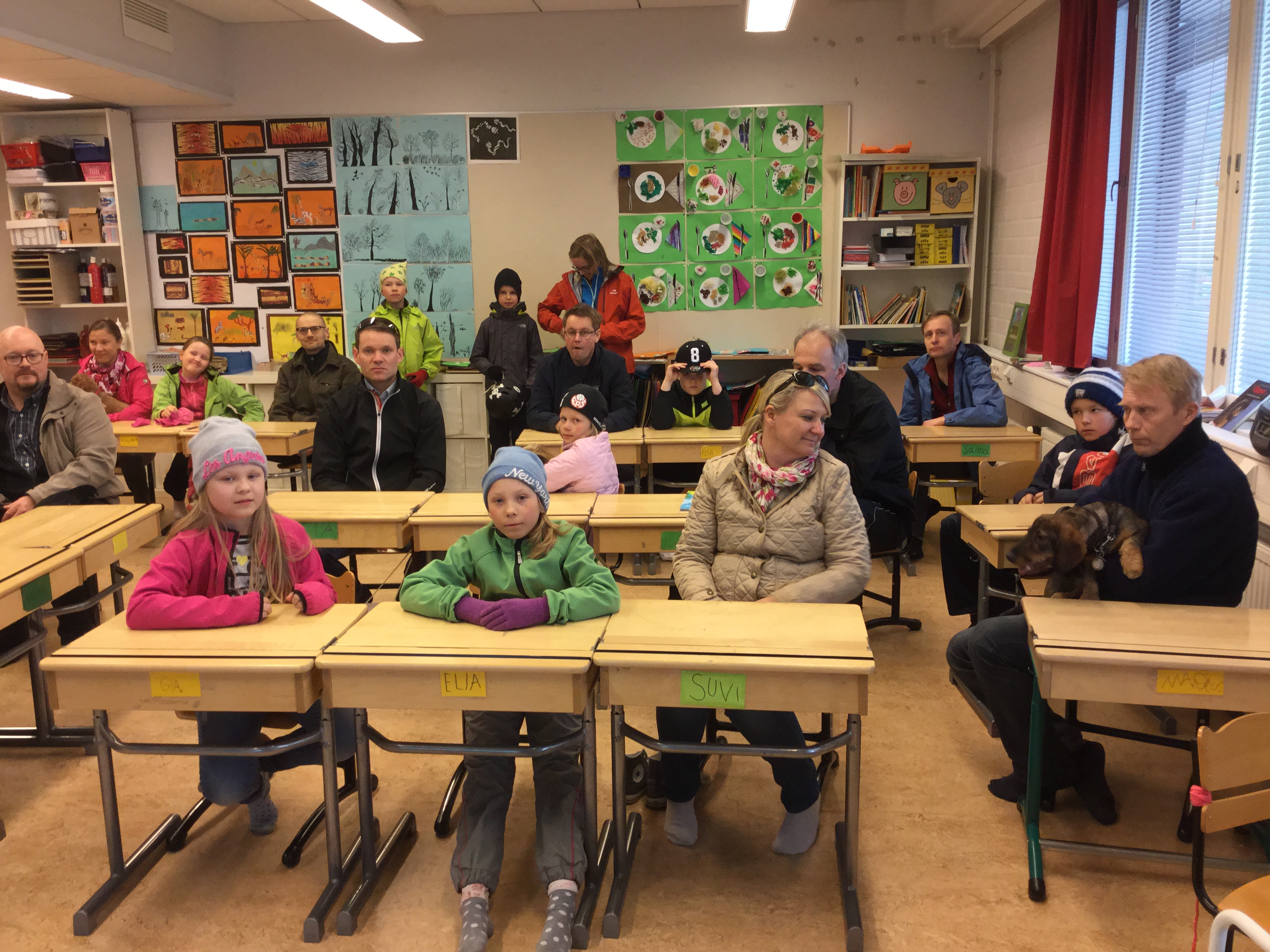
The game night started by the students, sisters, brothers and parent coming to school. I gave brief instructions on how the game works and then the teams were off.
The story behind the game was:
Panda rescue
Great news! Ähtäri zoo has finally been given the ok from China and are getting a panda. And not just one panda but an exceptional panda twins! All the hard work has payed off. But there now lies a huge problem! Ähtäri has been collecting money for only one panda and is now lacking the missing 1 000 000 $ for the second panda. You have to help! Otherwise the twins might be separated. Or even worse -there might be no pandas coming to Finland!
By completing exercises on the blue checkpoints in the map you will be able to collect money for the panda. One checkpoint exercise can give you up to 200 000 $. The team that collects the most money for the panda wins! Go -quickly!
Each blue marker on the map marked an exercise. I stayed at school controlling the game and scoring the exercises.
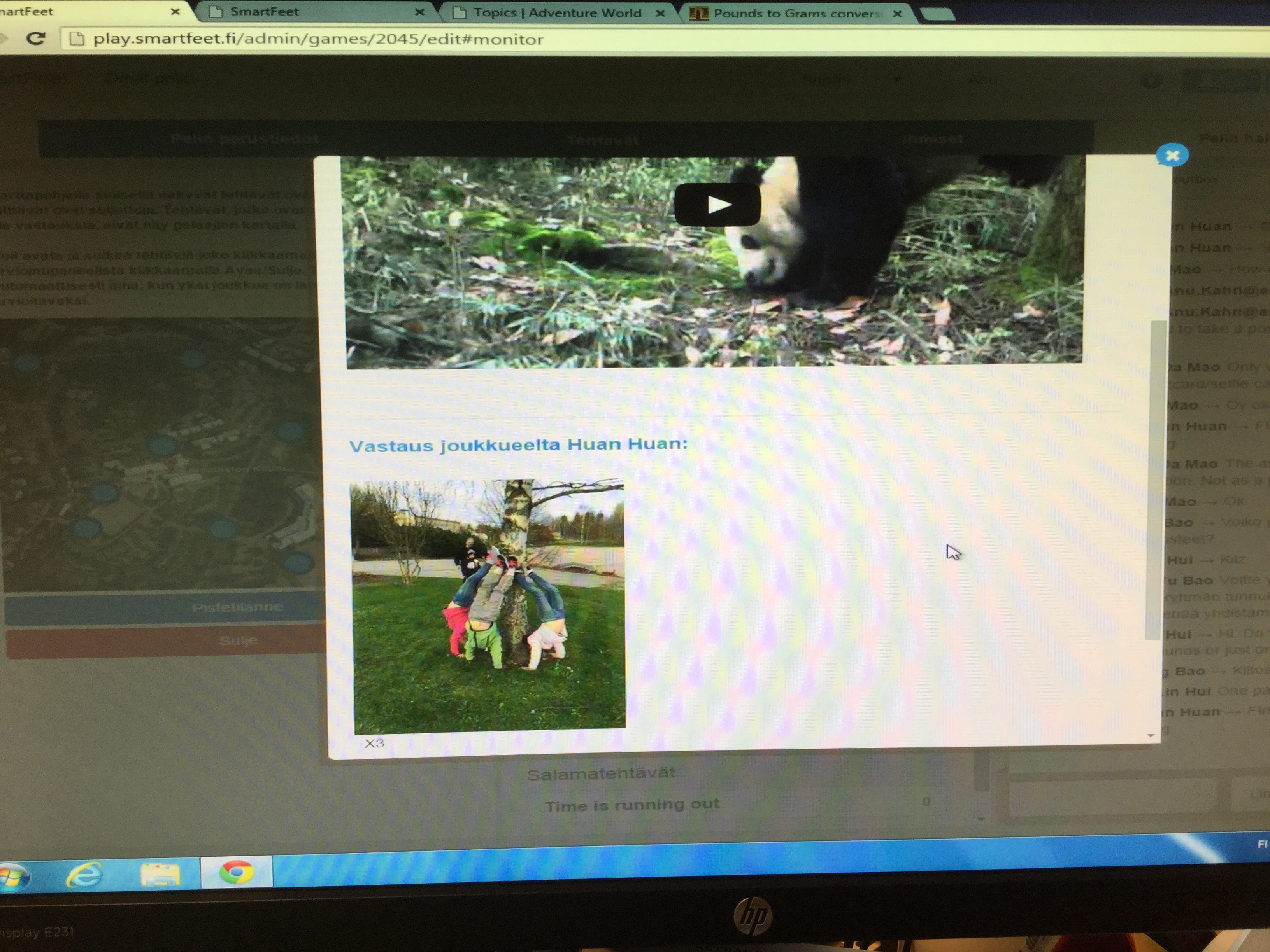
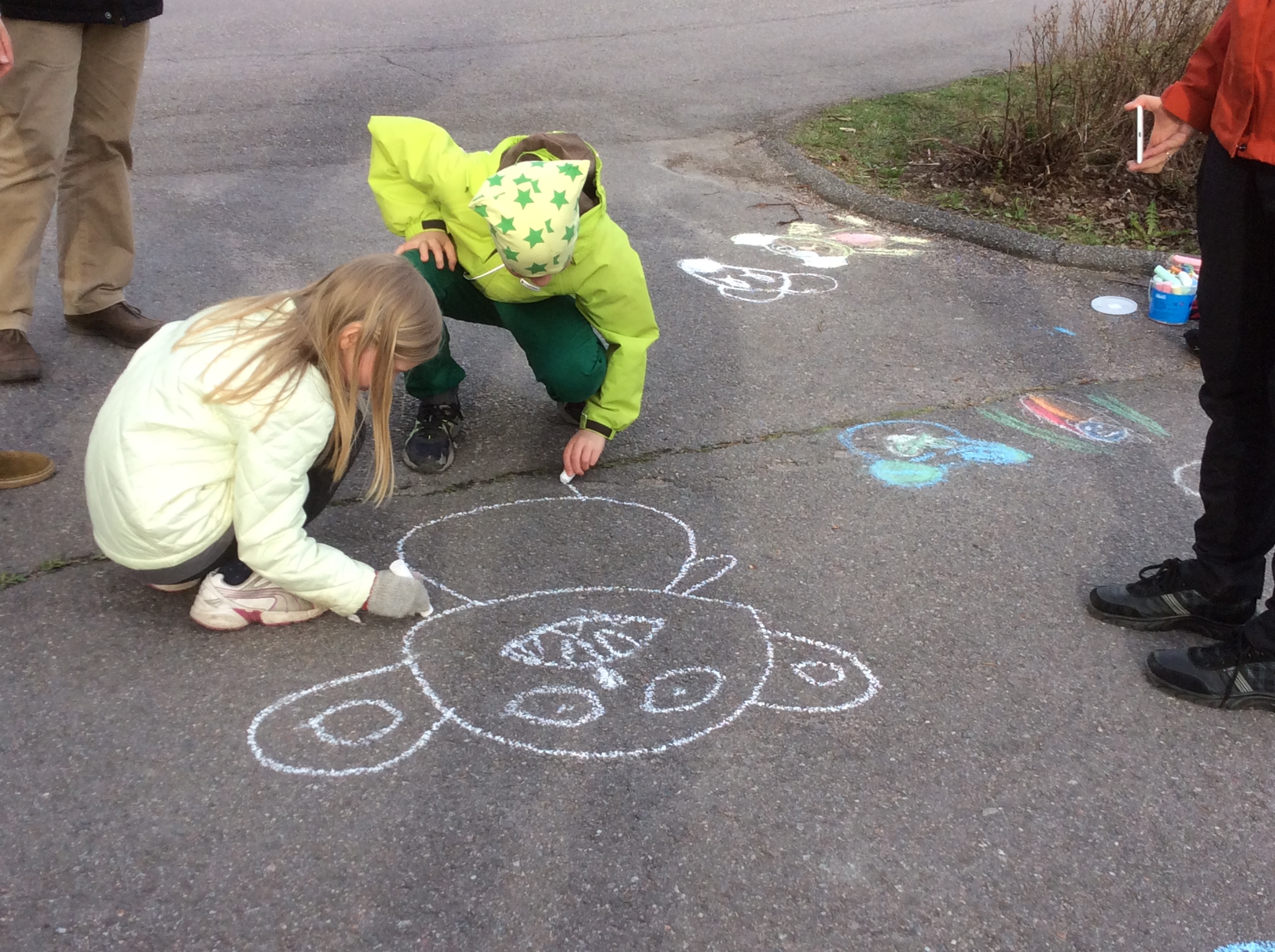
In the exercises the teams had to work for example with math, gaining data, problem solving, teamwork, orienteering and drawing. The answers were sent straight to the teacher from the iPad or the mobile phone they were working with. Some selfie exercises were included.
All in all a fun night! The parents said they especially enjoyed working outside in the fresh air with the kids. And what’s best? We did save the panda twins!
One day our teacher walked into class with a green blind and we were like WHAT? She said that we were going to be reporters and were going to produce our own panda news. The first thing was to do research and write the news. Nawal even wrote a song! Then we watched a film on how to use the Green Screen by Do Ink app and started working. It took a long time especially because there was so much other stuff going on but it’s finally ready. Enjoy!




















 Global Innokas Blog
