Finnish Penpals

One of the best products of my trip to Helsinki, Finland, for a meeting with Innokas and the Global Education Foundations, was meeting and collaborating with two educators from a Finnish school north of Helsinki.  We planned and put a plan in place to set up penpals between our classrooms and use a.   We wanted our initial letters to be handwritten so that the students felt they were more personal and got the feeling of receiving something in the mail from another country.   From there, they could then continue corresponding via email or post (whichever they preferred).  We also planned to share projects that we were doing in class to help give our students a real global audience to which they could share their learning.  To do this, we set up a blog called Bridging Communities (this ties in with the Building Bridges theme from the Global Education Foundation).  There was such a benefit to meeting and working with these two in person.  A bond was created that made it feel more comfortable when we communicated by email afterwards.
kuva1A

Last week our first letters arrived and the students were ecstatic to receive them.  For the most part we were able to pair them one to one, boy to boy and girl to girl, with a couple sharing a pen pal or receiving two.  The students read their letters and immediately were sharing with each other and asking some questions of me, such as what team is Oulun Kärpät (a Finnish ice hockey team), what is floorball, and what is a pedal car.  The letters lead to lots of discussions about similarities and differences from Finland to the USA.

When most of the discussion had died down, the kids asked if they could begin writing their penpals back.  My response was of course.  They began writing and you could have heard a pin drop until they began sharing what they had written, asking for ideas of what to share with their penpal, and wondering if it was okay to say Americanized things in the letters like football or tv show names.
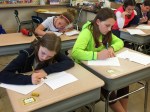
I’m so excited to continue this collaboration into future school years and grow by connecting with more schools in other countries.  The engagement level for our students has increased for wanting to create projects to share, have time for writing, and we are building relationships that could span a lifetime.

Nicole, Jefferson & Roosevelt Elementary schools, Janesville, USA

Walk, bike, ski, or sled

I am an American science teacher spending four months in Finland on a Fulbright grant. I’ve been visiting many Innokas schools and was asked to share some posts from my own blog.

This winter I ventured north from Helsinki to visit Innokas schools in Rovaniemi and Oulu. Upon arriving at the Metsokangas School in Oulu, the first thing I noticed were the skis. It looked like I might be at a cross country ski center in Vermont. But then I saw the bikes. I’m 100 miles (160 km) south of the Arctic Circle, and kids are biking to school in February. Wow. It was quite a warm day, hovering right around freezing, but most bikes in the US at this time of year are stored in garages or basements, covered with a layer of dust, and in need of a tire pump. Most American elementary school students don’t even bike to school when it’s warm out. And the streets and sidewalks in Oulu were were sheets of ice flanked by huge snow piles.

IMG_5318

Skis for gym class

Continue reading

Circuits and the Arctic Circle

I am an American science teacher spending four months in Finland on a Fulbright grant. I’ve been visiting many Innokas schools and was asked to share some posts from my own blog.

Despite studying Finnish for over a year, I had never learned the word piiri, which translates to “circuit” or “circle.” During my trip to Lapland to visit the Ylikylä School in Rovaniemi, I became familiar with both translations.

arcticcircleArriving during the weekend, and armed with a rental car wearing studded tires, I had the opportunity to be a tourist. On my way from the airport to town, I made the mandatory stop at Santa’s Village. I finally figured out that all the signs for napapiiri were not directing me to a town of that name, but rather to the Arctic Circle.

My original plans didn’t include dogsledding, thinking it to be the touristy Lapland equivalent of a Central Park carriage ride. But another Fulbrighter highly recommended it, so I decided to give it a try. I’m mighty glad that I went, especially as I had the sled to myself and got to drive for the whole 2 hours through snowy forest.


Continue reading

Movie Gala

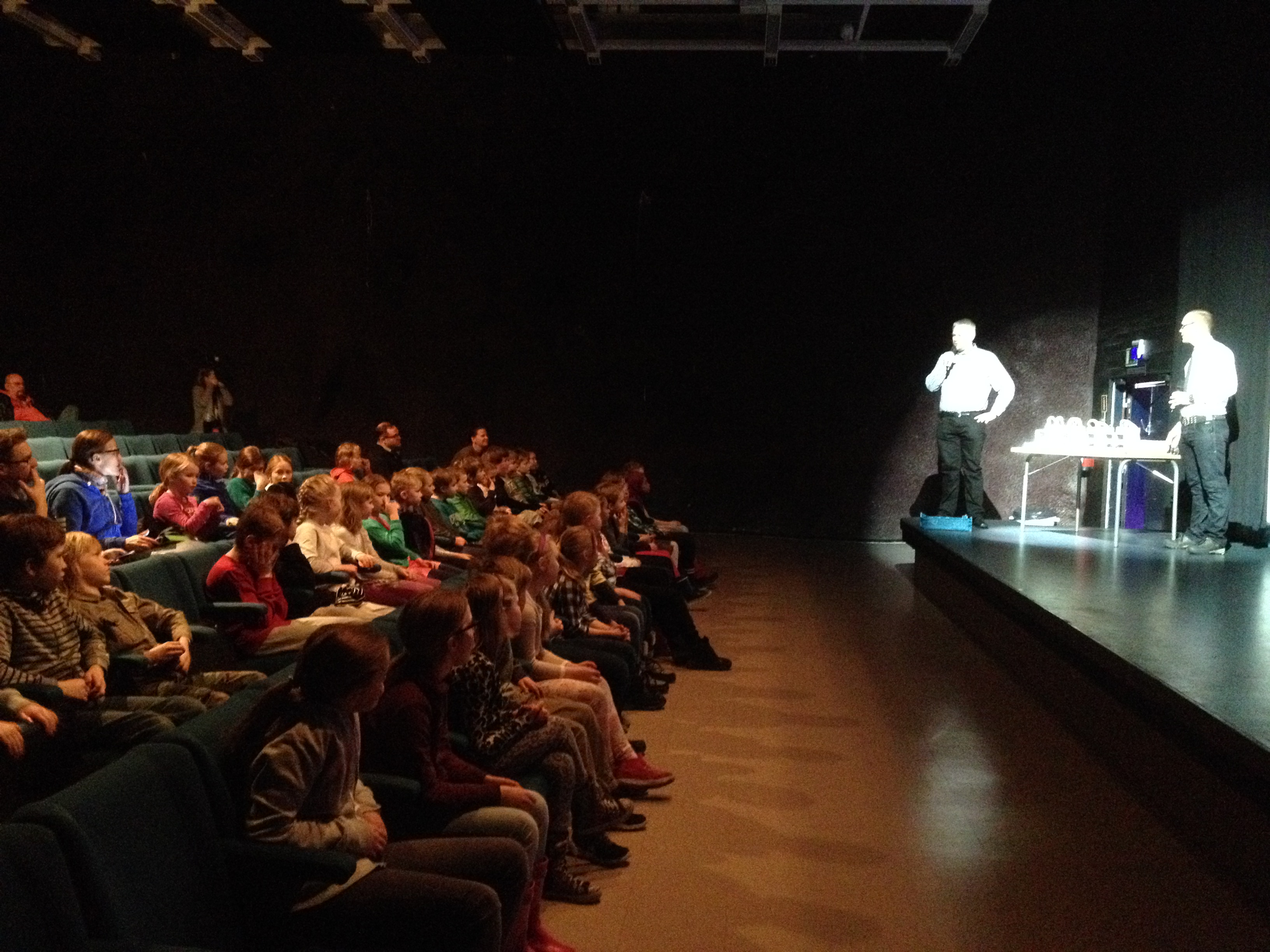
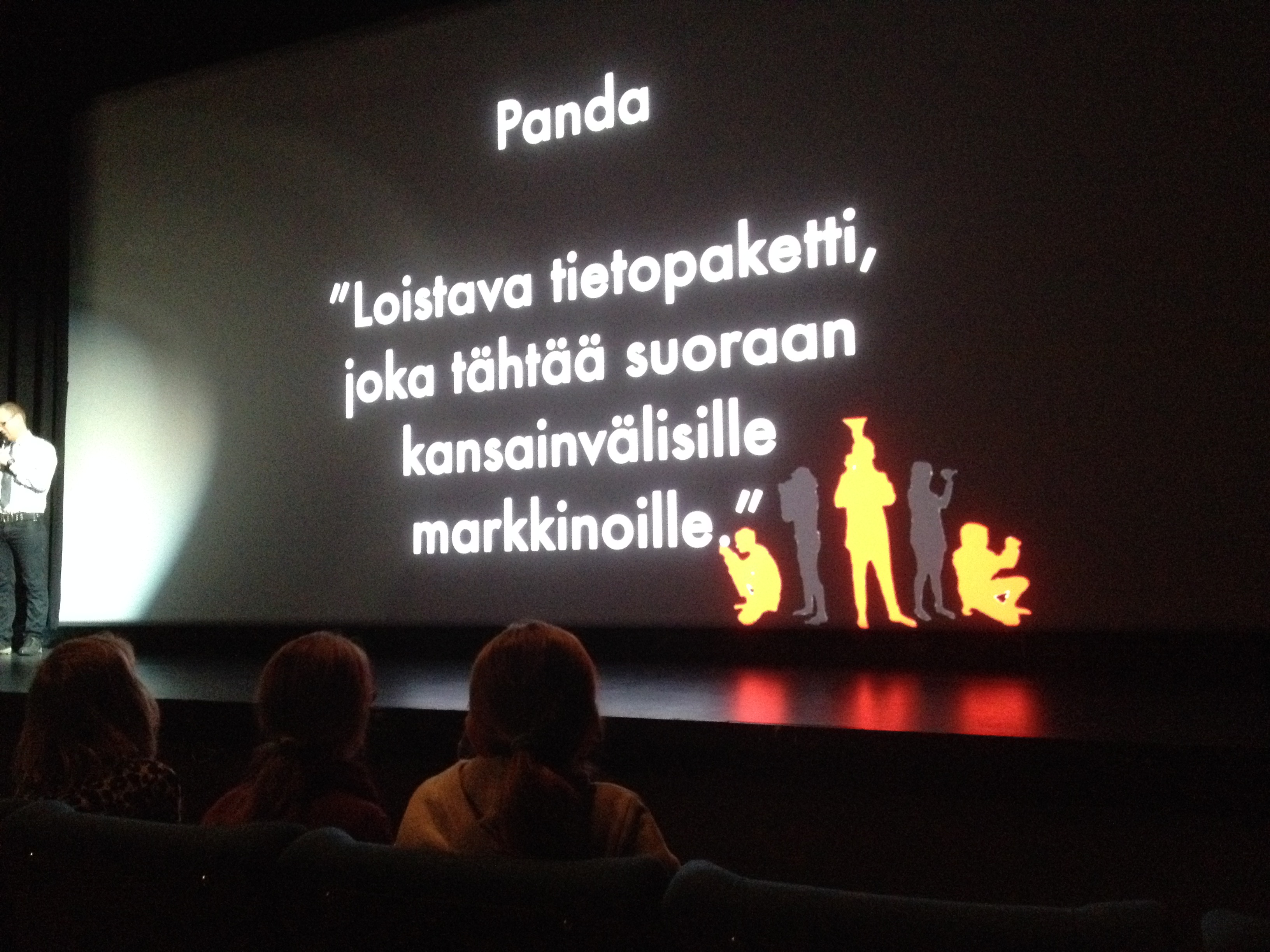
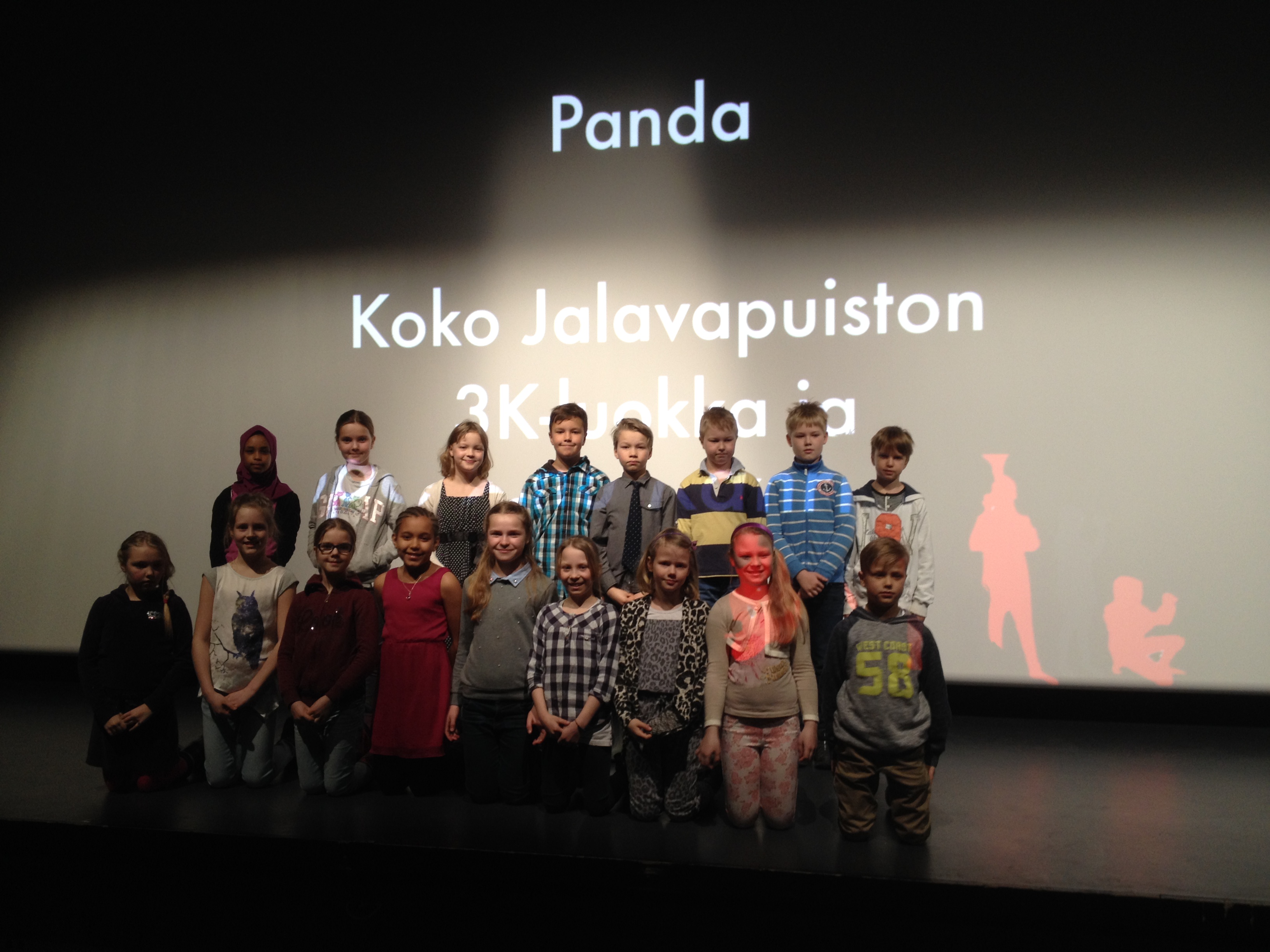
We went to a movie gala last Thursday. It was for everyone who took part in the Espoo movie competition. We sat in the front row. First we saw the first movie ever made. It was a black and white movie about a train coming to a station. It was very short. Then we saw all the animations. Then we got a price. We got tickets to go see a real movie and a diploma for taking part in the competition. They asked us questions about making the animation. It was fun. 

Jalavapuisto school, class 3K, Espoo, Finland

More in Finnish

IMG_0285 IMG_6601 IMG_6605 IMG_6610

Robo Greetings from Metsokangas Comprehensive School

IMG_0018

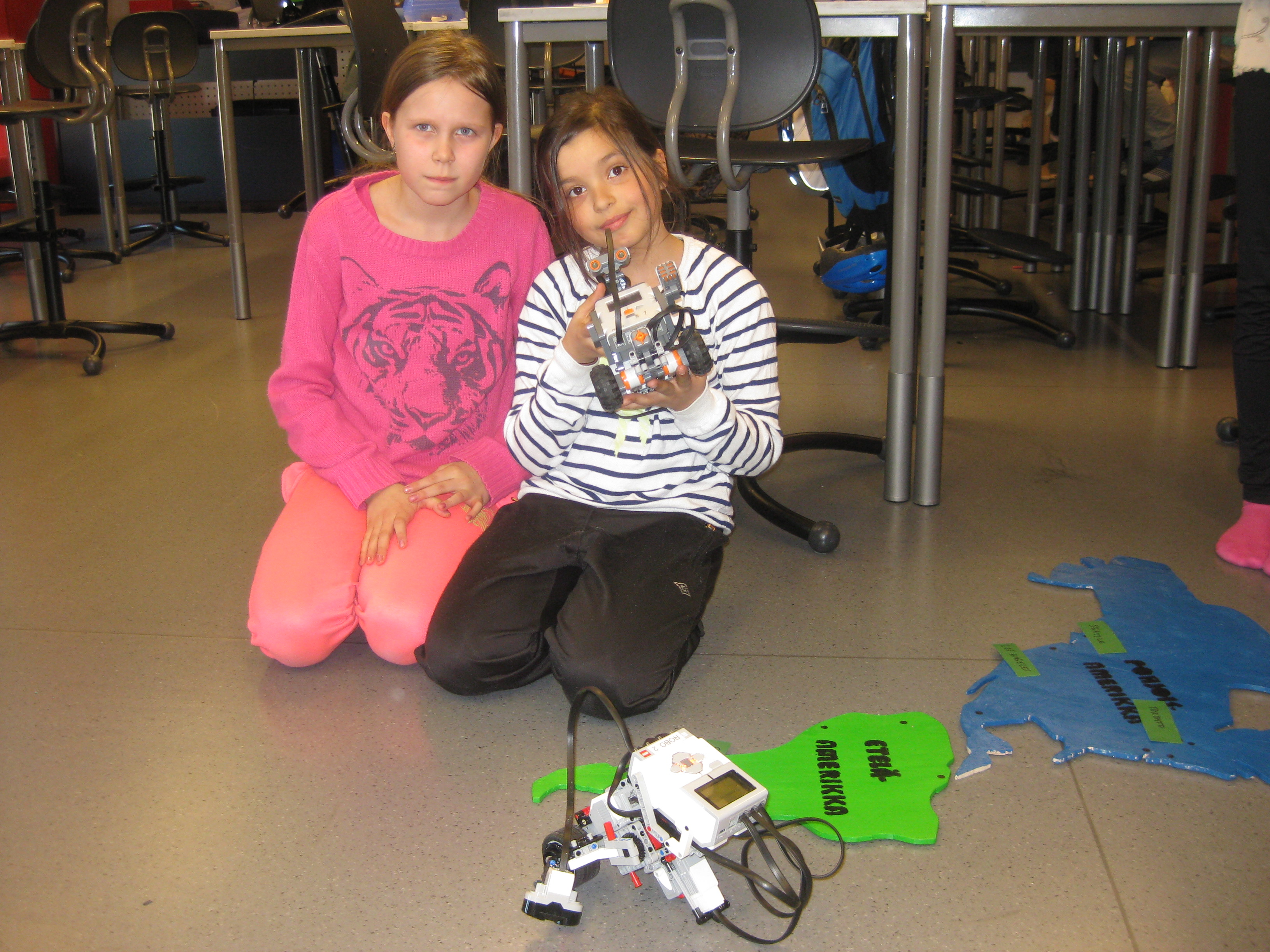
The Robo Project has started at Metsokangas Comprehensive School in Oulu. Our students made wooden game boards by using Google Maps, painted them using six different colours and after that they marked the names of the biggest cities all around the world.

IMG_0029

When the game boards were finished, students started to learn programming. A few of them had programmed before, but for the most of them it was the first time to program EV3 Lego Robots. At the beginning they programmed their robots to walk from the city to another. Next time they will start to learn to avoid obstacles and to program robots to turn around.

IMG_0028

During this spring our students will create many own playing strategies in groups and design how to play the game by using the robots. They will also make ship outfits for the robots, because robots are moving along waterways from continent to another. Students will also make pawns during this spring. Pawns will look alike pandas.

BR,

Päivi, Jaana, Minna and Petri (and also our 106 eager  students) from Metsokangas Comprehensive School

SYK – Building a Mental Bridge to Old People’s Home

S1

Pupils started to write profiles of their senior person. They discussed, how they should write an interview which is at the same time personal, respectful and informative.

S2

S3

When all the profiles were finished teacher read them to pupils in 5A. The stories of senior citizens’ lives were touching and real.

On our second visit to Old people’s home pupils gave profiles they wrote to their senior person. They continued the interview by making more questions about plays seniors played on their childhood. First of all it was good to see how happy seniors were when they had an opportunity to meet 5A’s pupils again. Pupils heard lots of stories, but they also realized that it is hard to remember things which have happened so long ago.

S4

– Raini Sipilä

Building GEC, conference day in Finland

Innokas Network and the Department of Teacher Education at University of Helsinki had the great pleasure of organizing the Global Educational Community (GEC) Finland conference day on March 6. During the conference day we promoted GEC to the wider audience in Finland, reflected on previous GEC experiences, and built and modeled GEC in practice.

kuva7   kuva5

During the first session we introduced participants to Global Educational Community background, goals and practice. We also had the opportunity to hear GEC educator and musician Chris Kohn perform his own song “Building Bridges”. GEC leaders Professor Guoli Liang from Wisconsin University and Professor Ann Lieberman from Stanford sent their video greetings, followed by an open mic session between GEC teachers from Australia, USA, China and Finland. GEC teachers learned from each other about the great projects they are doing with students in schools.


Video greetings from professor Guoli Liang


Video greetings from professor Ann Lieberman

We also had the honor to welcome Counsellor of Education Paula Mattila from the Finnish National Board of education as our visiting lecturer. She facilitated a discussion on global education as part of the Finnish National Curriculum and on global education in general.

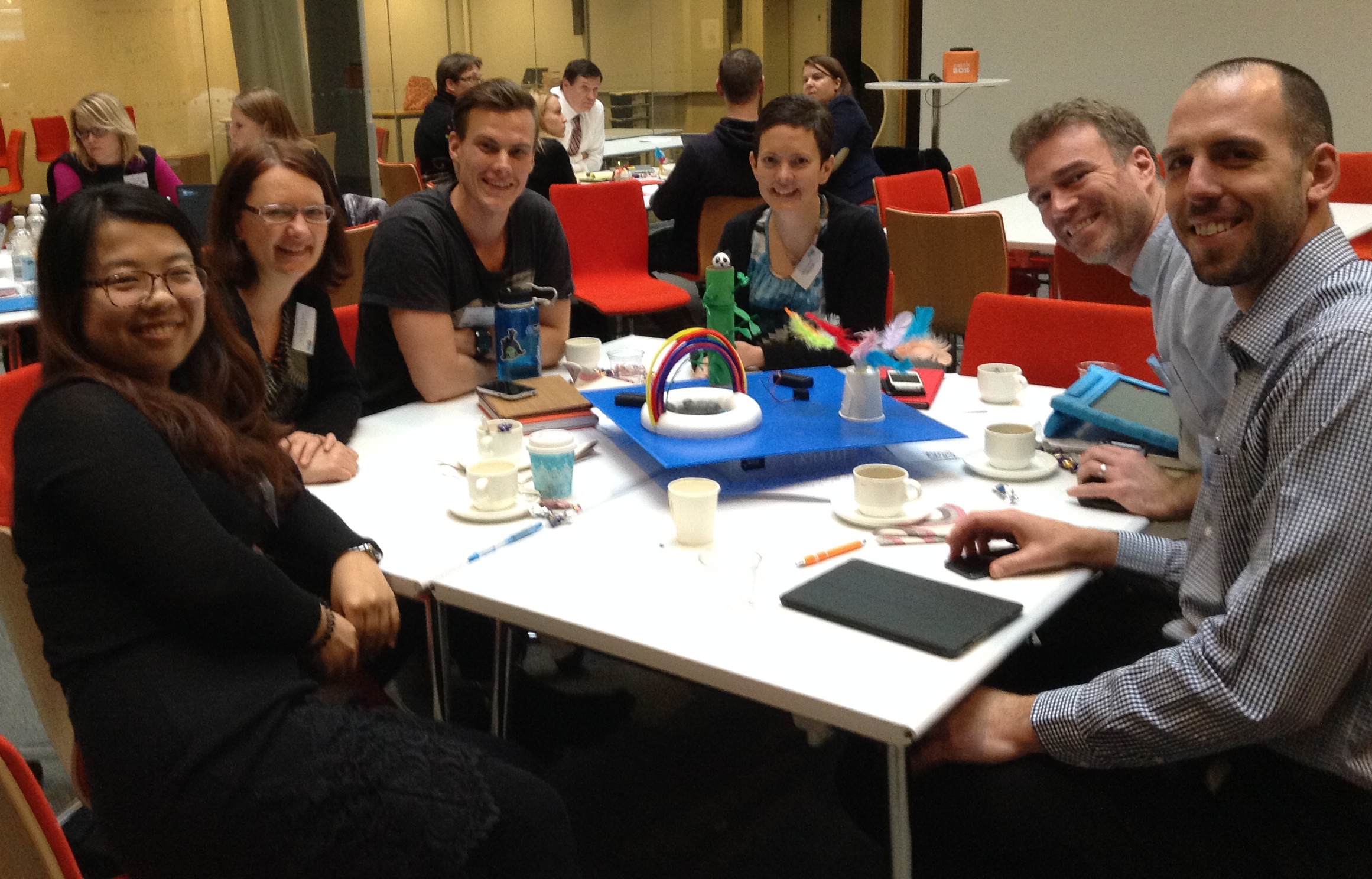
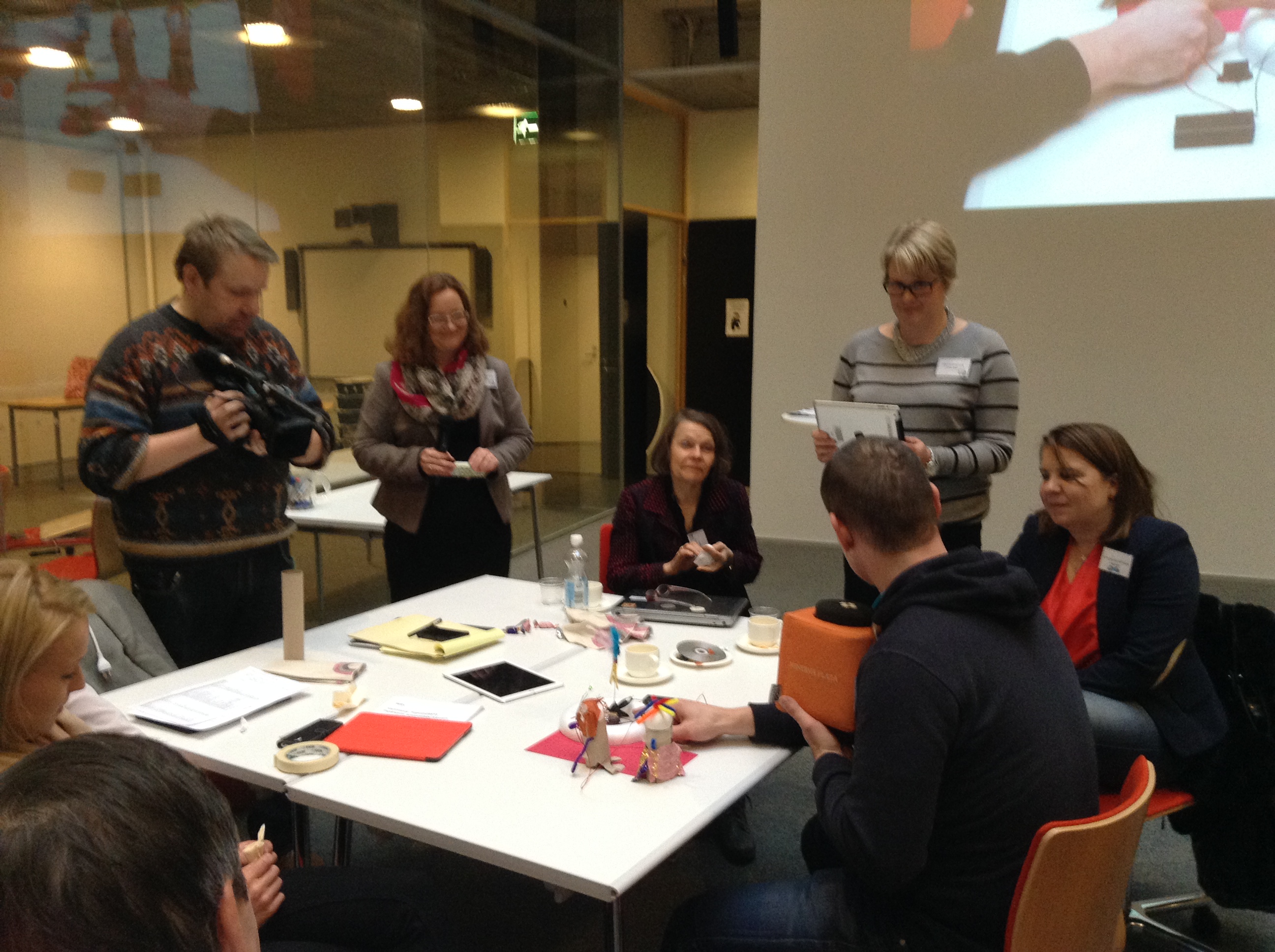
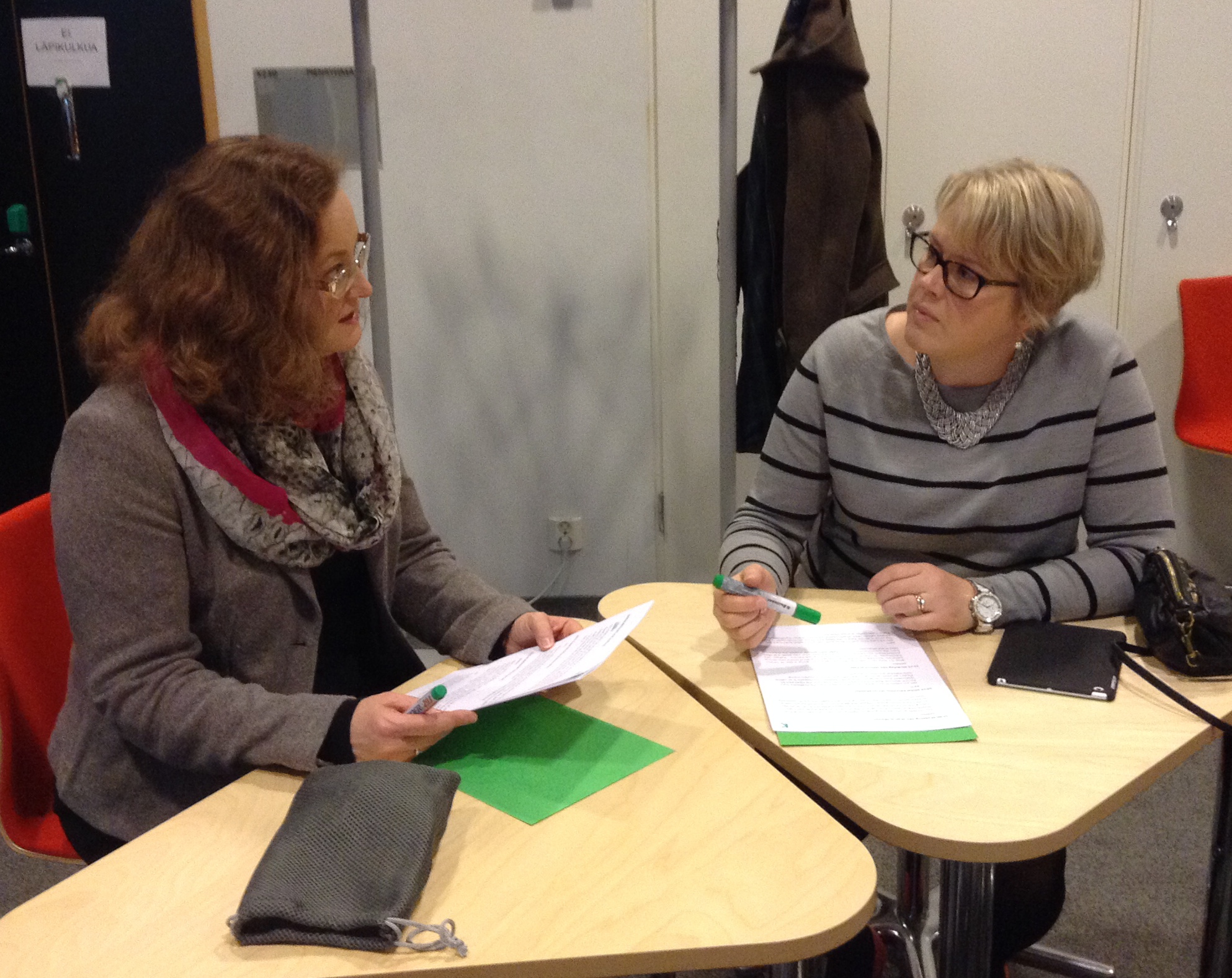
After the opening sessions, conference participants formed global teams, with the task of starting to “model the GEC”. The idea behind the task was that each global team would get to know each other, have an opportunity to discuss the day´s topics and would start to model GEC by using Innovation Education materials and tools. The global teams were so focused in building their GEC models that they almost forgot lunch!

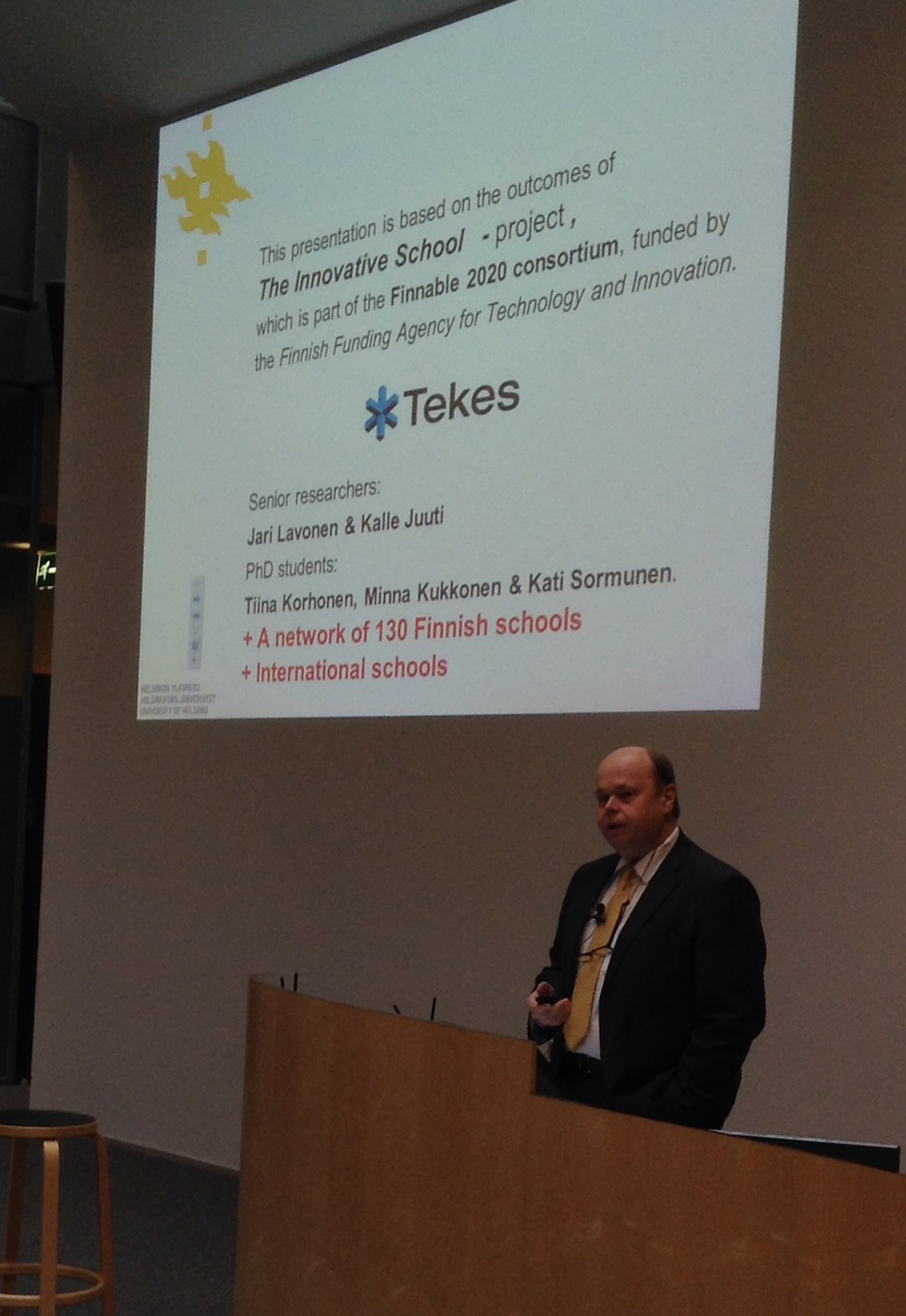
In the afternoon professor Jari Multisilta ran a great presentation about ICT in Global Education, and Professor Jari Lavonen talked about linking the Innovative School model with global education. Tiina Korhonen, the Head of Innokas Network, summarized the Innovation Education idea and challenged all GEC educators to make learning and operational innovations and share them globally.

In the last session, each global team finalized their models and presented them, complete with accompanying stories. The models and stories about GEC highlighted the day – what a great idea and needs sharing moment it was! We agreed to share these moments with the larger GEC community.

Kuva1 kuva8 kuva4 kuva3 kuva2 kuva1

It´s a great to be part of GEC and to build it together with you. The next step is to build strong partnerships with schools, teachers and students to make global education a part of everyday school life. We’ll have our next meetings next summer in China (summer conference) and a GEC Finland meeting in September.

If you are interested in joining GEC please don´t hesitate to contact us!

Best,
Tiina, Kati and Minna

GEC Conference in Helsinki

Last week, Innokas Network hosted the Global Educational Community (GEC) Conference at the University of Helsinki. During the week, collaborators from China, USA, Australia and Finland built deeper knowledge of each country’s educational practice on many levels.

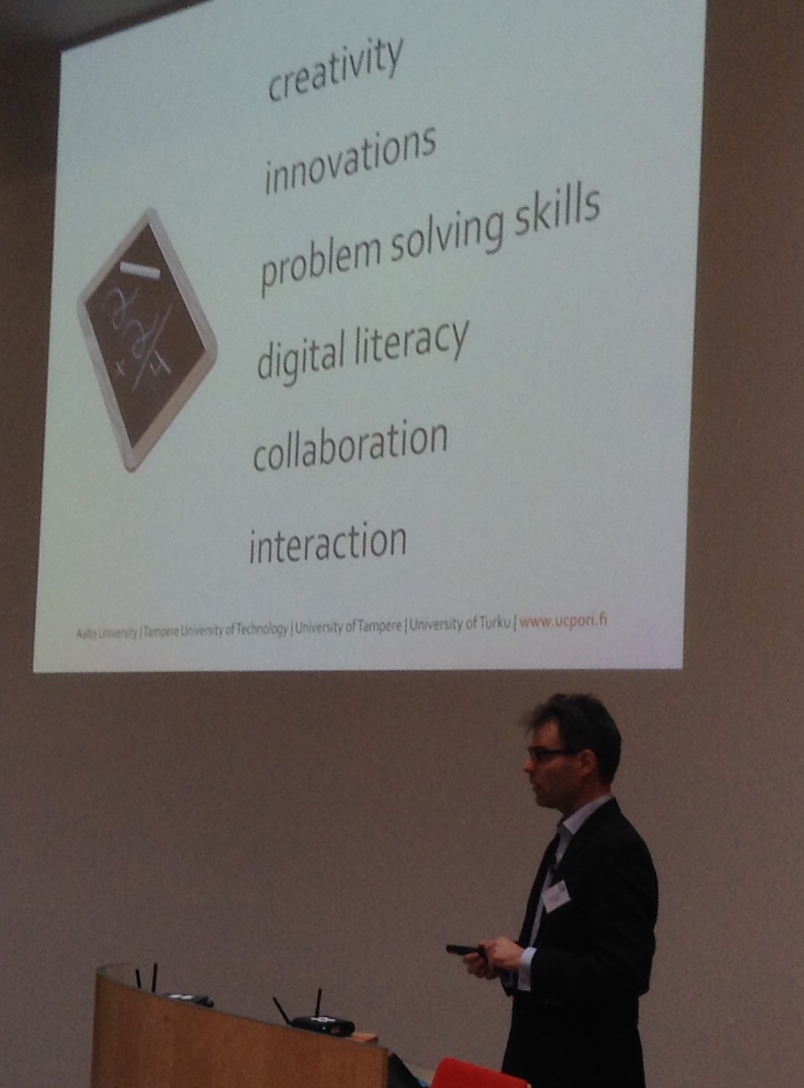
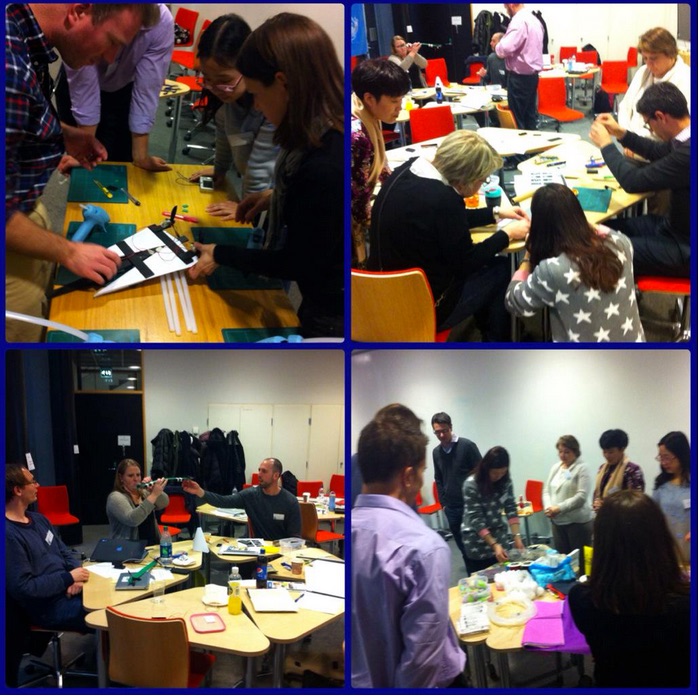
The program of the week was based on the Innovative School Model, which emphasizes the role of school stakeholders as innovators. The Innovative School model was present throughout the week, with additional presentations on innovation, creativity and Innovation education. We had discussions also on the best project based learning practices, on 21st Century Skills, and on collaboration with nearby community. To get our hands dirty on the subject, we also run hands-on sessions on everyday technology and robotics.

Building Flying objects     Lets start coding

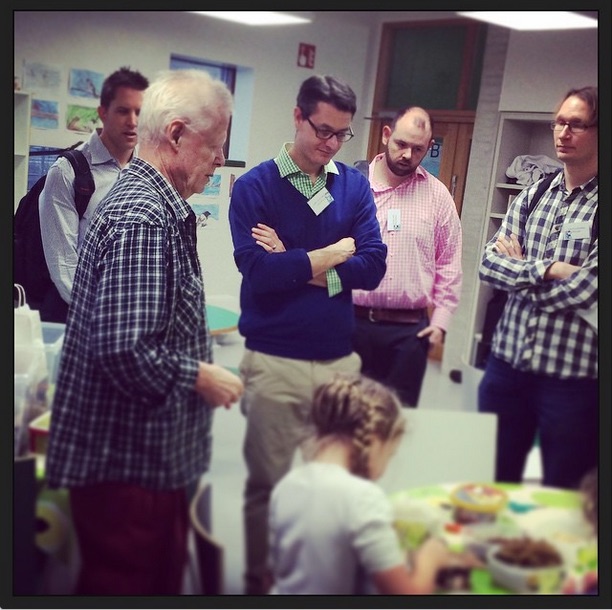
Professor Jari Lavonen presented the Finnish education system, curriculum and evaluation practices. We also had an amazing opportunity to visit schools (Saunalahti School in Espoo, Mäntymäki school in Kauniainen and Normal Lyceum of Helsinki), the Embassy of the United States of America and the Museum of Technology. On each visit, we were warmly welcomed, and we learned about the valuable work on 21st Century Skills these collaborators do in their own field

Saunalahti Tekniikanmuseo

Tweets were flying (#GEC2015 #innokas2015) and blogs were posted throughout the week. We all learned so much from each other and we are looking forward to continuing our collaboration. Now we all are better equipped to help our students in becoming global citizens!

Kati, Tiina ja Minna